
Heating Tune-Up in Lancaster, OH
Heating Tune-Up in Lancaster, OH keeps your furnace safe, efficient, and reliable. Schedule a professional tune up to extend equipment life and prevent breakdowns.

Heating Tune Up in Lancaster, OH
A seasonal heating tune up in Lancaster, OH keeps your furnace or boiler running safely, efficiently, and reliably through the cold months. Lancaster homes face chilly winters with snow and extended run-times for heating equipment, which makes pre-season inspections and adjustments essential. A professional tune up addresses the small problems that commonly cause mid-winter breakdowns, lowers energy use, and extends equipment life — all important for homeowners who depend on consistent, safe heat.
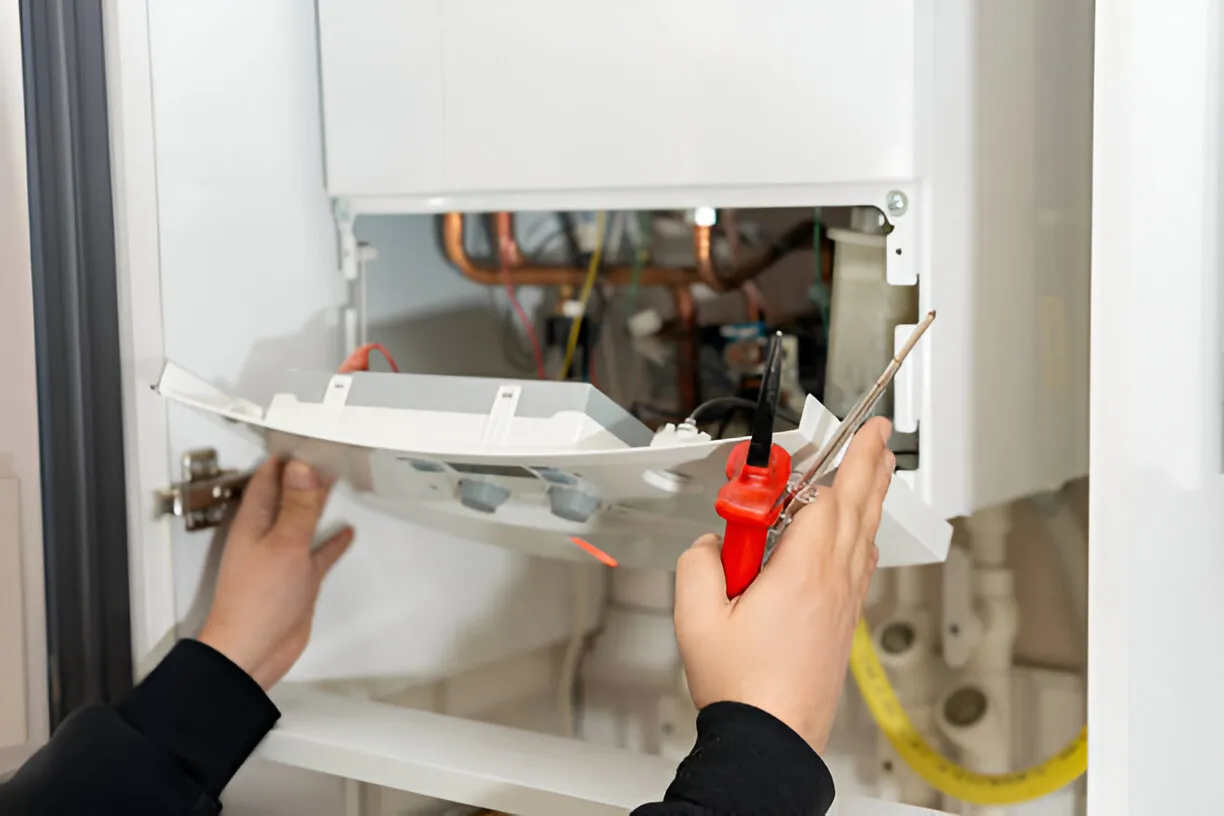
Why a heating tune up matters in Lancaster, OH
- Lancaster winters increase run-time and wear on heating systems, so components that tolerated light use over summer can fail when stressed.
- Older and historic homes in Lancaster often have older ductwork or cast-iron radiators that need attention to maintain performance and indoor comfort.
- Fuel types in the area include natural gas, propane, oil, and electric heat; each requires specific inspection points to ensure safe operation.
- Regular tune ups reduce the risk of carbon monoxide intrusion, unsafe combustion, and unexpected emergency repairs during cold snaps.
Common heating tune up issues in Lancaster, OH
- Dirty or clogged air filters restricting airflow and forcing longer run cycles.
- Weak or inconsistent ignition and pilot problems causing delayed or failed starts.
- Soiled burners or heat exchangers reducing combustion efficiency and increasing fuel use.
- Non-calibrated thermostats or faulty sensors producing uneven temperatures.
- Worn blower motors, belts, or bearings leading to unusual noise and reduced airflow.
- Leaky ducts or blocked vents common in older Lancaster homes, lowering system efficiency.
- Safety control faults or a cracked heat exchanger posing carbon monoxide risks.
What a professional heating tune up covers
A thorough tune up follows a checklist of inspections, cleaning tasks, adjustments, and performance tests designed to restore safe, efficient operation.
Inspection and adjustment checklist
- Filter check and replacement recommendation: Confirm filter type, condition, and replacement interval.
- Burner and combustion inspection: Examine burners for soot, proper flame pattern, and clean as needed.
- Ignition and pilot system: Test electronic ignition or pilot assembly for reliability and timing.
- Safety controls and limit switches: Verify operation of high limit, roll-out, and other safety interlocks.
- Thermostat calibration: Compare thermostat reading to actual room temperature and recalibrate if needed.
- Heat exchanger and flue inspection: Visually inspect for cracks, corrosion, or blockages to keep combustion gases flowing safely.
- Blower and motor: Check motor amperage, lubricate bearings when applicable, and clean blower wheel.
- Duct and vent check: Inspect accessible ducts and vents for leaks, obstructions, or disconnections.
- Electrical connections: Tighten terminals and inspect wiring for wear or overheating.
- Pilot safety and CO check: Measure combustion gases and test for carbon monoxide at the appliance and in the home.
Cleaning tasks
- Remove dust and debris from burners, combustion chamber, and blower assembly.
- Vacuum or brush out flue passage and accessible heat-exchange surfaces.
- Clean or change filters and clear return air openings.
Performance testing
- Airflow and temperature rise: Measure supply and return air temperatures to confirm proper heat transfer.
- Combustion efficiency test: Where applicable, analyze flame and exhaust gases to ensure safe and efficient combustion.
- System start/stop cycles: Run the system to observe sequencing, run-time stability, and thermostat interaction.
- Noise and vibration assessment: Identify mechanical issues that could worsen over time.
Typical tune up process and what homeowners can expect
- Duration: Most residential tune ups take between 45 minutes and 90 minutes depending on system age and complexity.
- Access: Clear access to the furnace, boiler, thermostat, and measurement points helps the technician complete checks efficiently.
- Findings report: The technician documents issues found, recommended repairs, and any priority safety concerns.
- Solutions: Minor adjustments and cleaning are often completed on the spot. Repairs beyond the tune up (for example a failing heat exchanger or major duct repairs) are documented and prioritized.
Repairs and solutions commonly performed during or after a tune up
- Replace filters, ignition components, and faulty sensors.
- Clean or replace burners and service the combustion chamber.
- Tighten electrical connections and replace worn belts.
- Seal duct leaks, adjust dampers, and rebalance airflow.
- Replace or repair thermostats for better temperature control.
- Schedule follow-up for major safety issues that require parts or extended labor.
Recommended frequency
- Annual tune up: Strongly recommended before the heating season each fall for most furnaces and boilers.
- Semi-annual for high-use or older systems: Homes with very old equipment, heavy usage, or past reliability problems may benefit from twice-yearly checks.
- After major repairs or replacements: Have systems inspected after any significant repair, component replacement, or home remodel that affects ducts or vents.
Benefits of regular heating maintenance
- Improved efficiency and lower fuel costs: Clean burners, proper calibration, and good airflow reduce wasted energy.
- Greater reliability and fewer emergency repairs: Catching wear and tear early prevents breakdowns during cold weather.
- Longer equipment life: Routine service reduces strain on components and delays the need for premature replacement.
- Enhanced safety: Inspections reduce the risk of carbon monoxide leaks and unsafe combustion conditions.
- Better indoor comfort: Balanced airflow and proper thermostat calibration deliver more consistent temperatures.
Maintenance-plan member perks
Maintenance-plan members typically receive priority scheduling during peak season, discounts on service calls, and other benefits that make a tune up more valuable. Common plan advantages include:
- Priority or same-day scheduling during cold snaps
- A percentage discount on repairs and service calls
- Regularly scheduled annual inspections to ensure continuous, documented service history
A seasonal heating tune up in Lancaster, OH protects homes against winter interruptions, improves comfort, and keeps operating costs down. With cold winters and a mix of older and newer homes in the area, a professional pre-season inspection is one of the most effective steps homeowners can take to maintain a safe and efficient heating system.
Hot Deals & Cool Savings

.webp)
New Service Agreement Membership
.webp)
Any New Client Service
Next Service for Referring a New Client
New Service Agreement Membership
Any New Client Service
Next Service for Referring a New Client
.webp)
.webp)

Service Areas
