
Heat Pump Installation in Columbus, OH
Heat pump installation in Columbus, OH delivers efficient year-round comfort with expert sizing, permits, post-install support. Learn more.

Heat Pump Installation in Columbus, OH
Modern heat pump systems solve both heating and cooling needs while delivering high efficiency and year round comfort. For Columbus, OH homes—where humid summers and cold winters demand reliable equipment—a professionally planned heat pump installation ensures the system matches your home, performs efficiently through seasonal extremes, and meets local code and permitting requirements.
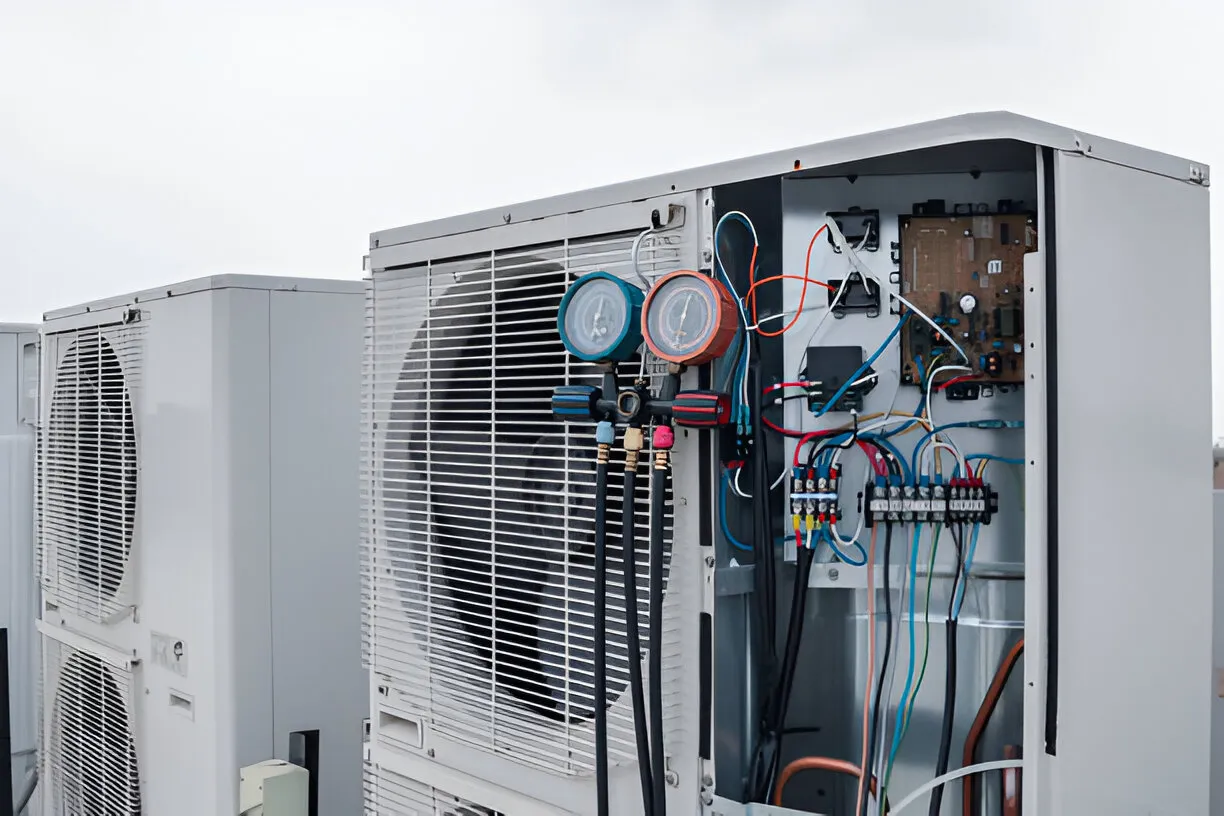
Why a heat pump is a smart choice for Columbus, OH homes
Columbus experiences hot, humid summers and winter temperatures that routinely dip below freezing. Today’s cold-climate heat pumps are engineered to deliver efficient heating even in low temperatures, and they provide quiet, precise cooling during summer. Benefits most relevant to Columbus homeowners include:
- Improved year round efficiency compared to older electric resistance systems.
- Single system solution for heating and cooling, often reducing equipment footprint.
- Reduced carbon footprint and eligibility for modern equipment incentives when paired with proper installation and documentation.
- Flexible options: air source (both ducted and ductless), ground source, or hybrid systems paired with a gas furnace for extreme cold.
The heat pump installation process: step by step
A quality installation follows a documented process that protects performance and warranty coverage. Typical phases are:
- Initial consultation and site assessment
- A professional will review your current heating and cooling setup, inspect insulation, ductwork condition, electrical service, and outdoor site constraints.
- Discussion of comfort goals, budget, and whether a ducted, ductless mini split, or hybrid configuration best fits the home.
2. Load calculation and system sizing
- A Manual J style load calculation quantifies heating and cooling needs based on square footage, insulation levels, window orientation, and local climate factors like Columbus humidity and temperature ranges.
- Proper sizing prevents short cycling, inadequate comfort, and unnecessary energy use. Oversized units and undersized units both create problems.
3. Equipment selection
- Selection considers cold-climate performance ratings, Seasonal Energy Efficiency Ratio (SEER) for cooling, Heating Seasonal Performance Factor (HSPF), inverter-driven technology, and noise levels.
- Options include single-stage, two-stage, and variable-speed compressors, and choices about heat pump-only versus dual-fuel systems for backup heat.
4. Site preparation
- Outdoor unit placement accounts for airflow, clearance, snow shedding, and drainage. Elevated pads or mounting brackets reduce snow and ice impact during Ohio winters.
- Indoor modifications may include duct sealing, new return or supply registers, condensate drainage provisions, or wall penetrations for mini split linesets.
5. Permit handling and inspections
- Local permits and municipal inspections are typically required in Columbus. Proper permit submission, inspection scheduling, and compliance with electrical and mechanical codes protect safety and ensure eligibility for warranty and rebates.
- Documentation of permits and certificates of compliance should be retained for future reference.
6. Professional installation steps
- Removal of existing equipment and safe disposal according to local regulations.
- Mounting of outdoor and indoor units, precise refrigerant line installation, electrical service connections sized to code, and any duct modifications or indoor unit mounting.
- Proper refrigerant charging using manufacturer specifications and ambient conditions rather than weight-only methods.
7. System commissioning and testing
- Commissioning confirms correct refrigerant charge, airflow, thermostat calibration, electrical draw, and control settings.
- Common checks include measuring delta T and CFM, verifying correct defrost operation in heating mode, checking for airflow obstructions, and confirming safe condensate evacuation.
- Final performance tests ensure the system meets the calculated loads for the home.
8. Permits, warranty registration, and documentation
- After passing inspection, manufacturer and installer warranty registration is completed. Owners receive operation manuals, maintenance schedules, and record of system settings and serial numbers.
- Proper registration often preserves extended warranty benefits.
9. Post-installation support and optimization
- Post-install services typically include a first-season performance check, thermostat programming guidance, and recommendations for scheduled maintenance.
- Remote monitoring or optional maintenance plans help detect performance drift, refrigerant leaks, or airflow problems early.
Common heat pump installation issues in Columbus and how they are addressed
- Incorrect sizing: Avoided by performing an accurate Manual J calculation rather than estimating by square footage.
- Poor ductwork or airflow: Addressed through duct leakage testing, sealing, and balancing to ensure correct supply and return flows.
- Improper refrigerant charge: Prevented by charging to manufacturer specifications using superheat and subcooling methods during commissioning.
- Outdoor unit snow, ice, and corrosion: Mitigated by elevated pads, corrosion-resistant coatings, and proper siting away from roof runoff or deicing salts.
- Inadequate electrical service or breaker sizing: Resolved by verifying electrical capacity during the site assessment and upgrading service when required.
Maintenance and seasonal tips for Columbus climate
- Schedule annual or biannual tune ups before peak heating and cooling seasons: check refrigerant levels, clean coils, inspect electrical connections, and verify defrost cycles.
- Keep outdoor units clear of snow, leaves, and debris. During winter, remove heavy snow accumulation but avoid using sharp tools that could damage coils.
- Replace or clean filters regularly and consider higher MERV filters only if the system is designed for them to avoid reduced airflow.
- If your home is older or poorly insulated, invest in air sealing and insulation improvements to reduce the system size requirements and improve comfort consistency.
What to expect after a professional installation
A properly installed heat pump in Columbus, OH should deliver stable, efficient heating through cold spells and comfortable dehumidified cooling in summer. Expect lower monthly energy fluctuations compared to legacy systems, quieter operation, and precise temperature control. Documentation of the load calculation, permits, commissioning results, and warranty registrations gives assurance of performance and simplifies maintenance and future service needs.
A well-documented process—from accurate load calculation and careful equipment selection to rigorous commissioning and post-install support—protects both performance and warranty coverage. For Columbus homeowners, attention to local weather impacts, proper outdoor unit siting for snow and ice, and thorough ductwork evaluation are key to long term satisfaction with a heat pump system.
Hot Deals & Cool Savings

.webp)
New Service Agreement Membership
.webp)
Any New Client Service
Next Service for Referring a New Client
New Service Agreement Membership
Any New Client Service
Next Service for Referring a New Client
.webp)
.webp)

Service Areas
