
Expert Heating Service In Columbus, OH
Reliable furnace and heating repairs plus installations for cozy Ohio winters. Maximize efficiency with our certified technician services.

Heating in Columbus
Reliable home heating is essential in Columbus, where cold, damp winters and frequent temperature swings put extra load on furnaces, boilers, and heat pumps. Whether you need furnace diagnostics, emergency repairs in the middle of a freeze, a full replacement, or a preventative maintenance plan to reduce energy bills, professional residential heating services keep your home safe, comfortable, and efficient through the season.
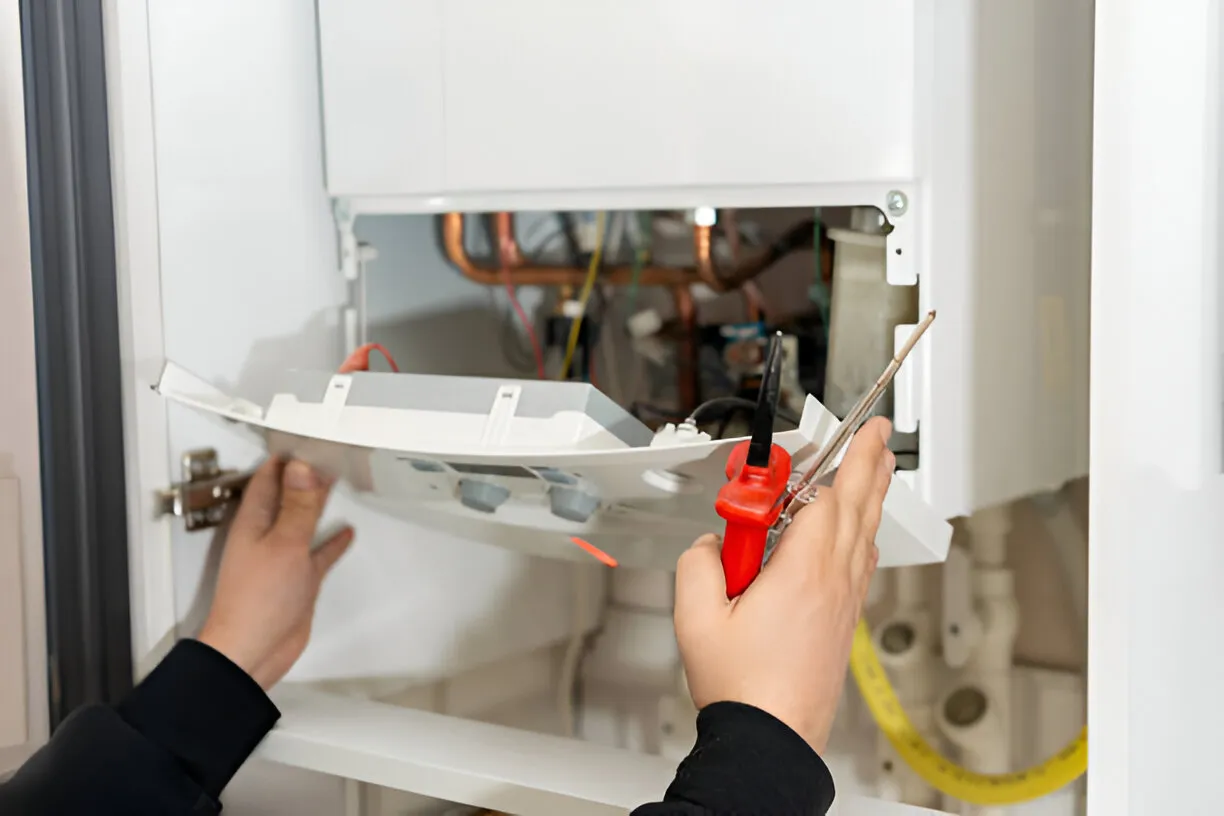
Common heating problems in Columbus homes
Columbus homes commonly experience the following issues because of regional climate and housing stock (older ductwork, mixed fuel systems, and baseline natural gas service):
- Furnace won’t start or keeps short-cycling
- Weak or uneven heat, cold spots in upstairs or basements
- Strange noises: banging, rattling, squealing or humming
- High heating bills despite normal usage
- Frequent pilot outages, ignition failures, or error codes
- Boiler leaks, low pressure, or radiator imbalance
- Heat pump underperformance in very cold snaps
- Carbon monoxide or combustion safety concerns
Residential heating services offered
- Furnace and heat system diagnostics: thorough inspection and testing of electrical, mechanical, and combustion components to identify root causes
- Heating repair and emergency service: same-day or rapid-response fixes for ignition, blower motors, control boards, gas valves, limit switches, and more
- Furnace installation and replacement: sizing, equipment selection, ductwork evaluation, and professional installation for gas, oil, or electric furnaces
- Boiler services: pressure checks, leak repair, zone balance, system flushing, and controls troubleshooting for hydronic systems
- Ductless split heat pump services: install, repair, refrigerant checks, and winter performance optimization
- Preventative maintenance plans: seasonal tune-ups to extend equipment life, improve efficiency, and reduce unexpected breakdowns
- Financing and warranty guidance: help with available financing options and explanation of manufacturer and installer warranties
How diagnostics and repair work (simple, transparent steps)
- Initial assessment: technician documents symptoms, system age, service history, and occupant concerns.
- Safety checks: verify electrical safety, gas pressure, venting, carbon monoxide levels, and emergency shutoffs.
- Component testing: inspect ignition system, burners, heat exchanger, blower motor, capacitors, relays, thermostats, refrigerant (for heat pumps), and boiler pressure/valves.
- Diagnostics reporting: clear explanation of what’s failing, estimated remaining life of major components, and repair vs replacement recommendations.
- Repair or replacement: execute repairs using OEM-equivalent parts or plan a replacement following professional sizing (Manual J) and venting/code requirements. For boilers, include flushing and zone rebalancing when needed.
- Post-service verification: confirm proper operation, thermostat calibration, and combustion efficiency where applicable.
Typical repairs and what they mean for your home
- Ignition or pilot issues: common on older furnaces; often repairable but may indicate other aging components.
- Blower motor or capacitor failures: lead to poor airflow and uneven heating; replaced components usually restore performance.
- Heat exchanger cracks: safety-critical on gas furnaces; requires immediate action because of carbon monoxide risk.
- Control board or sensor faults: can cause intermittent operation or system lockouts; modern systems use diagnostics to pinpoint faults quickly.
- Refrigerant leaks in heat pumps: reduce heating capacity in winter; require leak repair and correct recharge.
Furnace and boiler replacement — what to expect
- Proper sizing: a Manual J load calculation prevents oversized or undersized systems that waste energy or underperform.
- Efficiency options: modern furnaces come in a range of AFUE ratings; boilers have multiple efficiency classes. Higher efficiency reduces fuel use but should be selected based on payback and installation constraints.
- Ductwork and venting: inspections identify leaks, insulation needs, and return/supply balance problems. Proper venting and flue connections are essential for safety and code compliance.
- Installation timeline and testing: professional installations include equipment setup, combustion testing (for gas systems), thermostat integration, and a post-installation performance check.
Preventative maintenance plan benefits
Signing up for seasonal maintenance is especially valuable in Columbus because of harsh winters and homes with older systems. A maintenance plan typically includes:
- Annual or biannual tune-ups timed before heating season
- Filter checks and recommended replacements
- Cleaning burners, flame sensors, and condensate drains
- Lubrication of moving parts and belt inspection
- Safety control testing and carbon monoxide checks
- Priority scheduling and service discounts (depending on plan)
Benefits include longer equipment life, fewer emergency repairs, improved energy efficiency, and documented maintenance that supports warranty claims.
Financing and warranty information
Financing options are commonly available to spread the cost of a new installation over time; these plans vary by lender and equipment. New heating equipment carries manufacturer warranties on major components and often a separate installer warranty on workmanship. Keep a record of maintenance visits and any manufacturer registration; routine preventative service is frequently required to maintain full warranty protection.
Why timely heating service matters in Columbus
Delaying necessary heating repairs can lead to higher utility bills, reduced comfort, and safety risks such as carbon monoxide exposure or system failure during a cold spell. Preventative maintenance and informed replacement decisions protect household safety, conserve energy, and reduce total lifecycle costs of heating equipment.
FAQ
Q: How often should I schedule heating maintenance?
A: Annual tune-ups before the heating season are recommended for furnaces and boilers; heat pumps benefit from two annual checks if they also serve for cooling.
Q: Can my old furnace be repaired or should I replace it?
A: Repair vs replacement depends on age, efficiency, frequency of breakdowns, and the cost of the repair. Furnaces over 15 years old with multiple failures are often better replaced for long-term savings.
Q: Are boilers common in Columbus and what issues do they face?
A: Yes, many Columbus homes use hydronic boilers. Common issues include leaks, low pressure, air in the system, and failing expansion tanks; regular maintenance prevents corrosion and extends system life.
Q: Will a new furnace lower my energy bills?
A: A properly sized, modern high-efficiency furnace can lower fuel use compared with an old, inefficient unit—especially when paired with sealed ductwork and programmable thermostats.
Q: Is carbon monoxide testing part of a standard heating service?
A: For combustion-based heating systems, carbon monoxide and combustion safety checks are essential parts of diagnostics and maintenance to ensure safe operation.
Hot Deals & Cool Savings

.webp)
New Service Agreement Membership
.webp)
Any New Client Service
Next Service for Referring a New Client
New Service Agreement Membership
Any New Client Service
Next Service for Referring a New Client
.webp)
.webp)

Service Areas
