
Heating Installation in Lancaster, OH
Heating Installation in Lancaster, OH: expert installation services, energy-efficient options, and financing details to help you choose the right system. Learn more

Heating Installation in Lancaster, OH
Installing a new heating system is one of the most important home investments you can make in Lancaster, OH. Winters in central Ohio are cold and often long—properly sized, efficient heating equipment improves comfort, reduces utility bills, and protects your home from freeze-related damage.
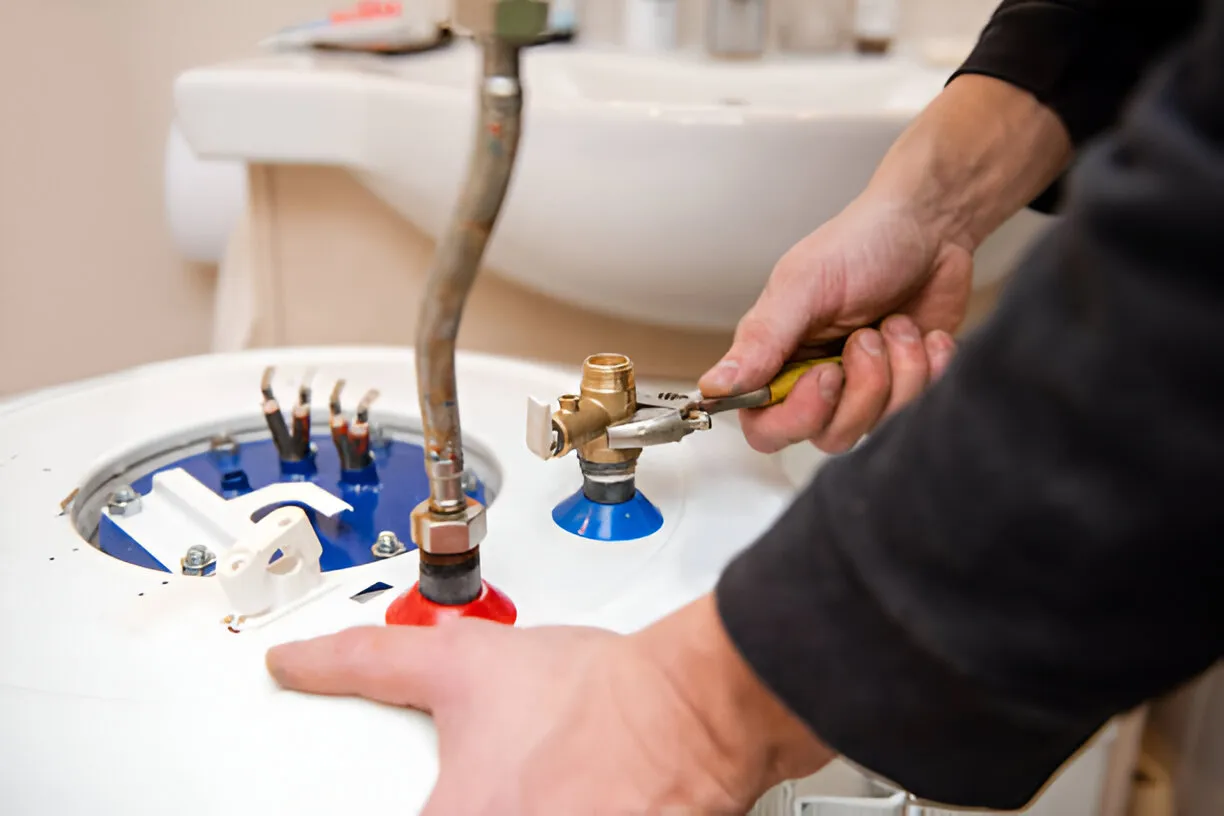
Common heating system types and common issues in Lancaster homes
Lancaster homes include older colonials, ranches, and newer builds—each presents different needs. Typical system types and problems encountered locally include:
- Gas furnaces: common in homes with natural gas service; frequent issues include inefficient older units, short cycling from improper sizing, and worn-out heat exchangers.
- Heat pumps (air-source or ductless mini-split): increasingly popular for efficiency, but cold-climate performance and backup heat strategies are important in Lancaster’s winters.
- Boilers: found in homes with radiators or baseboards; common concerns are aging boilers, improper venting, and inefficient controls.
- Ductless systems: excellent for additions or zone control, but require correct placement and sizing.
- Ductwork problems: leaky or poorly insulated ducts, blocked returns, and inadequate airflow are frequent causes of poor comfort even with a new furnace.
- Indoor air quality and humidity control: Ohio’s seasonal swings can create comfort complaints that a properly selected system and accessories (humidifiers, better filters, ventilation) will solve.
Home heat-load assessment and diagnostics
A reliable installation begins with a home heat-load assessment (Manual J style). For Lancaster homes, technicians evaluate:
- Square footage, ceiling height, and room-by-room layout
- Insulation levels, window types, and air infiltration
- Occupancy patterns, local sun exposure, and additions or finished basements
- Existing ductwork size, condition, and airflowThis diagnostic avoids undersizing or oversizing. Right-sizing matters because an oversized furnace will short-cycle and cause uneven heating and higher wear, while an undersized system will never reach set temperatures during Lancaster’s cold snaps.
Equipment selection and efficiency considerations
Selecting the right equipment means balancing comfort, long-term operating costs, and local climate needs.
- Efficiency ratings: look for high AFUE ratings on furnaces (higher AFUE = better fuel efficiency) and high HSPF/SEER for heat pumps. Cold-climate heat pumps with enhanced low-temperature performance can be a strong choice for Lancaster.
- Staged and modulating equipment: two-stage or modulating burners and variable-speed blowers reduce temperature swings, improve dehumidification, and lower energy use.
- Fuel type: natural gas is common and cost-effective in this region; electric heat pumps are attractive for efficiency and potential incentives.
- System compatibility: matching the furnace or heat pump to existing ductwork, or planning duct replacement/updates when necessary, ensures consistent airflow and efficiency.
- Add-ons: whole-house humidifiers, upgraded filtration, zoning, and smart thermostats help maintain comfort through Ohio’s seasons and protect older homes from dry winter air.
Professional installation steps (what a Lancaster homeowner can expect)
A professional heating installation follows clear stages to ensure safety and performance:
- Pre-install planning: review the heat-load assessment, select equipment and accessories, and secure necessary permits.
- Job-site preparation: protect floors and furniture, disconnect utility lines safely, and prepare disposal for the old unit.
- Removal of old equipment: safe disconnection and proper disposal of the old furnace or boiler and components.
- Mechanical installation: set the new unit, connect fuel/gas lines, condensate and venting (for high-efficiency equipment), electrical hookups, and control wiring.
- Ductwork modification and sealing: resize or repair ducts, seal seams, and insulate as needed to maximize efficiency.
- System start-up and commissioning: charge refrigerant (for heat pumps), test combustion efficiency (for gas equipment), balance airflow, program controls, and verify safety devices like limit switches and CO sensors.
- Final inspection and homeowner walkthrough: explain operation, show where filters and switches are located, and provide equipment documentation.
Throughout, licensed technicians follow manufacturer instructions and safety standards to ensure reliable operation through Lancaster’s winter extremes.
Permitting and code compliance in Lancaster, OH
Most heating system replacements and all new installations require permits and must comply with Ohio’s mechanical and fuel gas codes as well as local Lancaster ordinances. Common requirements include:
- Mechanical or building permits for equipment changeouts or fuel conversions
- Gas piping permits when installing or modifying natural gas lines
- Inspection of venting, combustion air, and condensate disposal for high-efficiency systems
- Compliance with CO detector placement and exhaust termination rulesWorking with a licensed installer ensures the correct permits are pulled, inspections are scheduled, and installation meets state and local codes for safety and insurance compliance.
Timeline, cleanup, and what a homeowner should expect
Typical timelines vary by project scope:
- Furnace replacement (same footprint, matched ductwork): commonly completed in one full workday.
- Full system replacement with ductwork updates, boiler swaps, or conversions: often 1–3 days depending on complexity.Installers should leave the home clean, remove the old equipment, and dispose of packaging. Final steps include performance testing, operational demonstration, and providing any warranty documentation and maintenance recommendations.
Warranties and maintenance options
New systems come with two layers of protection:
- Manufacturer warranties: cover parts (and sometimes the heat exchanger or compressor) for a specified period; terms vary by model.
- Labor warranties: cover installation workmanship for a stated timeframe; check the installer’s labor coverage specifics.Maintenance is critical in Lancaster’s seasonal climate. Routine annual service preserves efficiency and extends life expectancy. Maintenance plans typically include seasonal tune-ups, safety checks, priority service scheduling, and discounts on repairs—helpful for avoiding midwinter failures.
Financing assistance and long-term cost considerations
Many homeowners consider financing to spread the upfront cost while capturing energy savings quickly. Typical financing pathways and cost factors include:
- Installment financing or payment plans through lenders and local finance programs
- Energy-efficiency rebates or incentives for qualifying heat pumps and high-efficiency equipment (state and utility programs)
- Federal tax credits or seasonal rebates for specific technologies (availability varies by year)When evaluating options, compare lifecycle costs—initial price, expected annual fuel or electricity costs, maintenance, and expected useful life—to determine the most cost-effective solution for Lancaster conditions.
Why timely replacement matters for Lancaster homes
Replacing an aging or inefficient heating system before it fails saves money, reduces discomfort during cold spells, and improves home safety. A properly sized, professionally installed system designed for Lancaster’s climate offers better temperature consistency, lower energy bills, and greater long-term reliability—especially important in a region with cold winters and occasional extreme weather.
Selecting the right equipment and installer, following local codes and permitting, and committing to annual maintenance ensure your new heating system delivers safe, efficient warmth throughout Lancaster’s heating season.
Hot Deals & Cool Savings

.webp)
New Service Agreement Membership
.webp)
Any New Client Service
Next Service for Referring a New Client
New Service Agreement Membership
Any New Client Service
Next Service for Referring a New Client
.webp)
.webp)

Service Areas
