
Heating Repair in Lancaster, OH
Lancaster, OH heating repair services: expert diagnostics, prompt repairs, and safety checks for furnaces and boilers. Learn more.

Heating Repair in Lancaster, OH
Keeping your home warm and safe during Lancaster winters depends on timely, reliable heating repair. Whether your furnace won’t start, the heat comes and goes, or the system makes unfamiliar noises, understanding common problems, the diagnostic process, and what to expect from repairs helps you make confident decisions.
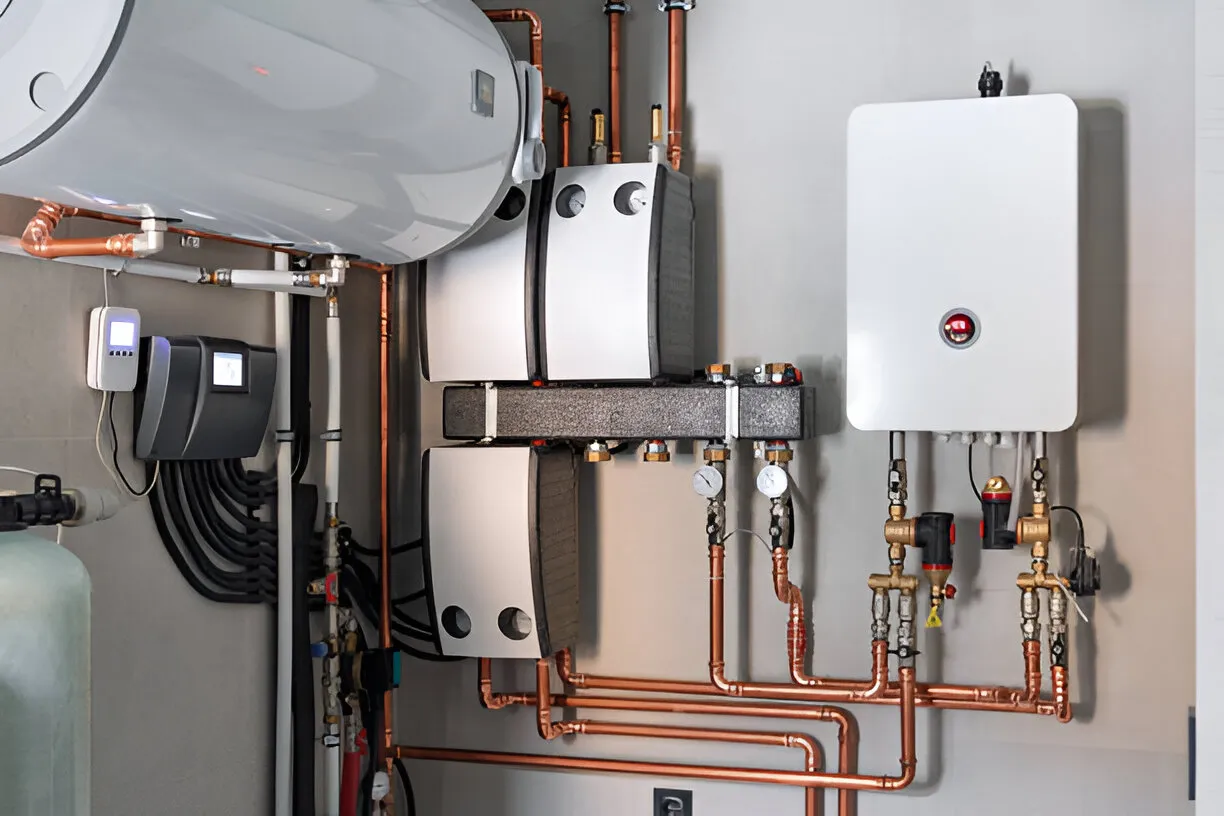
Why heating repair matters in Lancaster homes
Lancaster experiences cold, humid winters with regular freezes from late fall through early spring. Many local homes are older and use gas furnaces, oil or propane systems, or hydronic boilers. That combination increases the chance of wear-related failures, ignition problems, cracked heat exchangers, and circulation issues. Prompt repair restores comfort, reduces energy waste, and removes safety risks such as carbon monoxide exposure or gas leaks.
Common heating repair scenarios in Lancaster
- No heat at all: Furnace or boiler fails to ignite or circulator pump not running. Causes include failed igniters, pilot or gas supply problems, control board faults, or thermostat issues.
- Short cycling: Furnace starts and stops repeatedly. Often caused by dirty air filters, restricted airflow, failing flame sensors, or overheating due to a clogged heat exchanger or malfunctioning limit switch.
- Strange noises: Rattling, banging, or squealing can indicate loose panels, failing blower motors, broken belts, or expansion issues in boilers.
- Weak or uneven heat: Poor airflow, duct leaks, failing blower motors, or defective zone valves in hydronic systems.
- Pilot light or ignition problems: Fouled pilots, bad igniters, or gas valve failures.
- Odors or suspected gas leak: Rotting or burning smells, rotten-egg odor, or persistent fuel smell require immediate safety steps.
- Frequent cycling or high bills: Aging equipment, faulty controls, or inefficient combustion leading to energy waste.
Diagnostic process technicians use
A systematic diagnostic approach identifies root causes quickly and transparently:
- Intake and symptom review: Technician documents what you observed, when it started, and any recent maintenance.
- Visual and safety check: Inspect visible components, ventilation, gas lines, and check carbon monoxide detectors. Verify no immediate hazards.
- System start-up and sequence testing: Observe ignition cycle, blower operation, fuel delivery, and control responses.
- Component testing: Use meters and combustion analyzers to test igniters, flame sensors, gas pressure, motor amperage, limit switches, and thermostat signals.
- Airflow and distribution checks: Measure supply and return duct function, filter condition, and register temperatures to locate restrictions or leaks.
- Diagnosis summary and written estimate: Technician explains findings in plain language and provides a clear, itemized repair estimate.
Typical parts and common repairs
- Igniters and pilot assemblies: Replace when ignition is unreliable.
- Flame sensor and gas valves: Frequent culprits when burners fail to stay lit.
- Blower motor and fan assemblies: Rebuild or replace to restore airflow.
- Control boards and relays: Replace when electrical sequencing fails.
- Limit switches and pressure switches: Restore safe operation and prevent overheating.
- Heat exchangers: Cracked exchangers often require system replacement for safety; minor repairs depend on manufacturer guidance.
- Circulator pumps and zone valves (boilers): Repair or replace to restore hot water distribution.
- Belts, bearings, and capacitors: Replace to eliminate noise and motor issues.
- Duct repairs: Seal or insulate ducts to correct uneven heating.
Typical labor procedures and timeline
- Small repairs (filter, sensor, igniter, capacitor): Often completed in 1 to 2 hours if parts are on the truck.
- Moderate repairs (blower motor, control board, gas valve): Usually 2 to 4 hours, sometimes longer if access is tight.
- Major repairs or replacements (heat exchanger, complete furnace replacement, boiler overhaul): Multiple hours to a day, may require ordering parts with additional lead time.
- Emergency calls: Technicians prioritize safety issues first, stabilize the system, then proceed with full repair or provide a temporary solution until parts arrive.
Response and repair times depend on parts availability, system complexity, and local demand. In the Lancaster area, emergency safety issues are typically addressed the same day, while routine non-emergency visits are commonly scheduled within 24 to 72 hours.
Safety and performance checks performed after repair
A thorough post-repair check ensures safe, efficient operation:
- Combustion and venting test: Verify proper burner operation, safe venting, and combustion efficiency.
- Carbon monoxide check: Measure CO levels at the appliance and common living areas.
- Gas leak and pressure verification: Ensure fuel system integrity and correct gas pressure.
- Electrical and control testing: Confirm correct sequencing and secure electrical connections.
- Airflow and temperature rise test: Verify blower performance and proper heat transfer for furnaces.
- System balancing and thermostat calibration: Ensure even distribution and accurate temperature control.
- Documentation: Technicians provide a summary of work performed, parts replaced, and any recommendations.
Transparent estimates and pricing expectations
Transparent repair estimates typically include:
- Diagnostic fee and whether it is applied to the repair cost.
- Itemized parts and labor costs (no hidden fees).
- Labor time estimate and potential additional charges if unforeseen issues arise.
- Warranty on parts and labor (terms and duration).
- Options when multiple repair approaches exist (repair vs replacement), with pros and cons for each.
Providers in Lancaster commonly present written estimates before starting work. For complex jobs, expect a firm quote when the full scope is known and an explanation of any variables that could change the final price.
Scheduling emergency or routine repair service
- What to prepare: System make, model, approximate age, symptoms, and when the issue started. Note any error codes displayed on the thermostat or appliance.
- Emergency situations: If you detect a gas odor, persistent CO alarm, or other immediate safety concerns, prioritize evacuating the property and following local emergency guidance.
- Routine repairs and maintenance: Seasonal service windows in Lancaster are busiest in fall and late winter. Routine tune-ups before winter help prevent emergent breakdowns and can be scheduled during off-peak times.
- What to expect during a scheduled visit: A technician will arrive with diagnostic tools and common replacement parts, perform a safety-first inspection, explain findings, and present a clear estimate before doing non-emergency work.
Preventive steps to reduce future repairs
- Replace air filters regularly and keep returns and vents clear.
- Schedule annual heating tune-ups before cold weather sets in.
- Keep combustion areas and flues unobstructed.
- Maintain clear access to outdoor condensers, vents, and fuel lines.
- Consider a maintenance plan to extend equipment life and receive priority scheduling.
A properly diagnosed and professionally repaired heating system restores comfort, improves efficiency, and protects your household. For Lancaster homes, addressing common local vulnerabilities like older equipment, duct sealing, and cold-weather stresses early reduces disruption during the cold months and helps keep energy costs manageable.
Hot Deals & Cool Savings

.webp)
New Service Agreement Membership
.webp)
Any New Client Service
Next Service for Referring a New Client
New Service Agreement Membership
Any New Client Service
Next Service for Referring a New Client
.webp)
.webp)

Service Areas
