
Water Heater Installation in Columbus, OH
Water Heater Installation in Columbus, OH: expert sizing, permits, and safe, efficient setup. Schedule installation today for reliable hot water.

Water Heater Installation in Columbus, OH
Choosing and installing a new water heater is one of the most impactful upgrades you can make for comfort, energy efficiency, and safety in your Columbus, OH home. Whether you are replacing an old tank, adding a tankless unit, or switching fuel sources, a professional installation ensures correct sizing, code compliance, and reliable performance through Ohio winters and humid summers.
Why proper installation matters in Columbus, OH
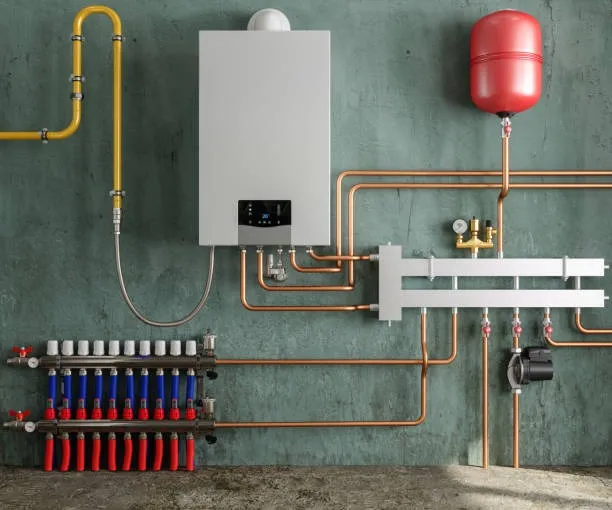
Columbus experiences cold winters that increase demand for hot water and place stress on underperforming systems. Summers are humid, which affects basement and utility room ventilation. Local fuel availability and utility rates make fuel type selection important for ongoing operating costs. Proper installation reduces the risk of leaks, improves efficiency, extends equipment life, and ensures safety features like proper ventilation for gas units and effective expansion control for closed domestic water systems.
Common water heater needs and issues in Columbus homes
- Replacement of failed or leaking units that are beyond repair
- Upgrading to higher efficiency models to lower energy use
- Converting from electric to gas or to tankless systems for faster recovery
- Relocation of equipment during renovations or to meet code requirements
- Resolving inadequate hot water supply or long wait times
- Addressing space constraints in compact Columbus homes or apartments
Types of water heaters and how to choose
- Tank water heaters: Traditional storage tanks remain common for straightforward replacements. Choose capacity based on household size and peak hour demand.
- Tankless (on-demand) units: Provide continuous hot water and occupy less space. Best for households seeking long-term energy savings and for homes with limited mechanical room space.
- Heat pump water heaters: High efficiency for electric setups. Best in conditioned or semi-conditioned spaces where ambient air is available for heat extraction.
- Condensing gas water heaters: High efficiency for homes with high hot water loads and existing natural gas service.
- Solar-ready or hybrid systems: Options for environmentally focused homeowners; these may require supplemental heating during winter.
Fuel type considerations for Columbus
- Natural gas is widely used and often cost-effective for high demand households.
- Electric is common when gas is not available or for simpler installations.
- Propane is typical for rural or non-municipal gas areas.
- Heat pump and hybrid units are attractive where electric supply and space conditions favor their efficiency.
Site assessment and unit sizing
A professional installer conducts a site assessment that includes:
- Measuring available space, venting paths, and access for delivery and removal
- Checking existing fuel supply lines and electrical service capacity
- Determining household peak hour demand and first hour rating needs
- Calculating flow rates for tankless sizing using simultaneous fixtures and delta T assumptions
Correct sizing prevents undersized systems that run continuously and oversized tanks that waste energy. For tankless units, installers calculate required gallons per minute at typical Columbus temperature differentials to achieve desired output.
Permits and code compliance
Most Columbus jurisdictions require permits for water heater replacement or relocation. Permit requirements ensure:
- Proper venting and combustion air for gas units
- Correct temperature and pressure relief device installation and drainage
- Adequate seismic strapping where required
- Compliance with local plumbing and mechanical codes
A professional installer will obtain necessary permits, schedule inspections, and ensure the work meets local code and safety standards.
Removal and disposal of the old unit
Removal includes:
- Safe disconnection of fuel, water, and electrical connections
- Draining and disconnecting the old tank
- Proper disposal or recycling in accordance with local Columbus regulations, including handling of recovered refrigerant for heat pump units when applicable
Many installers offer disposal services that follow municipal recycling and hazardous waste requirements.
Typical professional installation steps and timeline
- Pre-installation assessment and final equipment selection
- Permitting and inspection scheduling
- Site preparation and old unit removal
- Rough-in of gas, electrical, or plumbing changes
- Mounting or setting of new equipment and connection of utilities
- Venting and combustion air installation where applicable
- Pressure testing, filling, and leak checks
- Commissioning, thermostat setup, and safety device verification
- Final inspection by local authority if required
Most standard tank replacements are completed within a single workday. More complex conversions, relocations, or tankless installations that require new gas lines, electrical upgrades, or rerouting of vents can take longer and may require multiple visits.
Post-installation testing and homeowner orientation
After installation, a thorough walkthrough includes:
- Demonstration of system operation and temperature adjustment
- Explanation of safety features such as TPR valves and shutoff locations
- Guidance on routine maintenance like flushing sediment for tanks and descaling for tankless units in Columbus water conditions
- Documentation of manufacturer and labor warranties, and an explanation of what is covered
Technicians will perform startup tests, check for combustion safety on gas units, verify electrical connections, and confirm hot water delivery to fixtures.
Warranty, financing, and long-term considerations
- Manufacturer warranties typically cover the tank or heat exchanger for a specified period; labor warranties are separate and vary by installer.
- Extended warranty options and service plans may be available for additional coverage of parts and labor.
- Financing or payment plans are commonly offered by professional installers for larger upgrades or conversions; options vary by provider.
- Energy efficiency can reduce monthly operating costs. Columbus homeowners should consider high-efficiency models and check with local utilities for rebate or incentive programs that may apply.
Maintenance and maximizing service life
- Annual inspection of venting, controls, and relief valves helps prevent failures.
- Flushing sediment from tanks once or twice per year reduces corrosion and improves performance, especially in areas with hard water.
- Tankless units benefit from periodic descaling based on local water hardness and household usage.
- Prompt repairs for minor leaks or irregular operation prevent larger issues and extend equipment life.
Properly executed water heater installation in Columbus, OH aligns unit type, fuel, and capacity with your household needs while meeting local code and safety requirements. A professional approach ensures reliable hot water, optimized efficiency for our regional climate, and peace of mind through correct permitting, disposal, startup testing, and documented warranty coverage.
Hot Deals & Cool Savings

.webp)
New Service Agreement Membership
.webp)
Any New Client Service
Next Service for Referring a New Client
New Service Agreement Membership
Any New Client Service
Next Service for Referring a New Client
.webp)
.webp)

Service Areas
