
HVAC Installation in Columbus, OH
HVAC installation in Columbus, OH by premier local pros ensures precise sizing, code-compliant setup, and reliable year-round comfort. Schedule your install today.

Proper HVAC installation in Columbus, OH is the foundation of year-round comfort, energy efficiency, and safety for your home. Best Service Heating & Cooling brings decades of local experience to every installation, combining precise load calculations, careful equipment selection, and code-compliant workmanship to ensure systems perform reliably in central Ohio weather. Whether you are replacing an aging furnace, installing a high-efficiency air conditioner, switching to a heat pump, or adding a ductless mini-split, an expert installation minimizes future repairs, reduces utility costs, and keeps your living spaces comfortable through humid summers and cold winters.
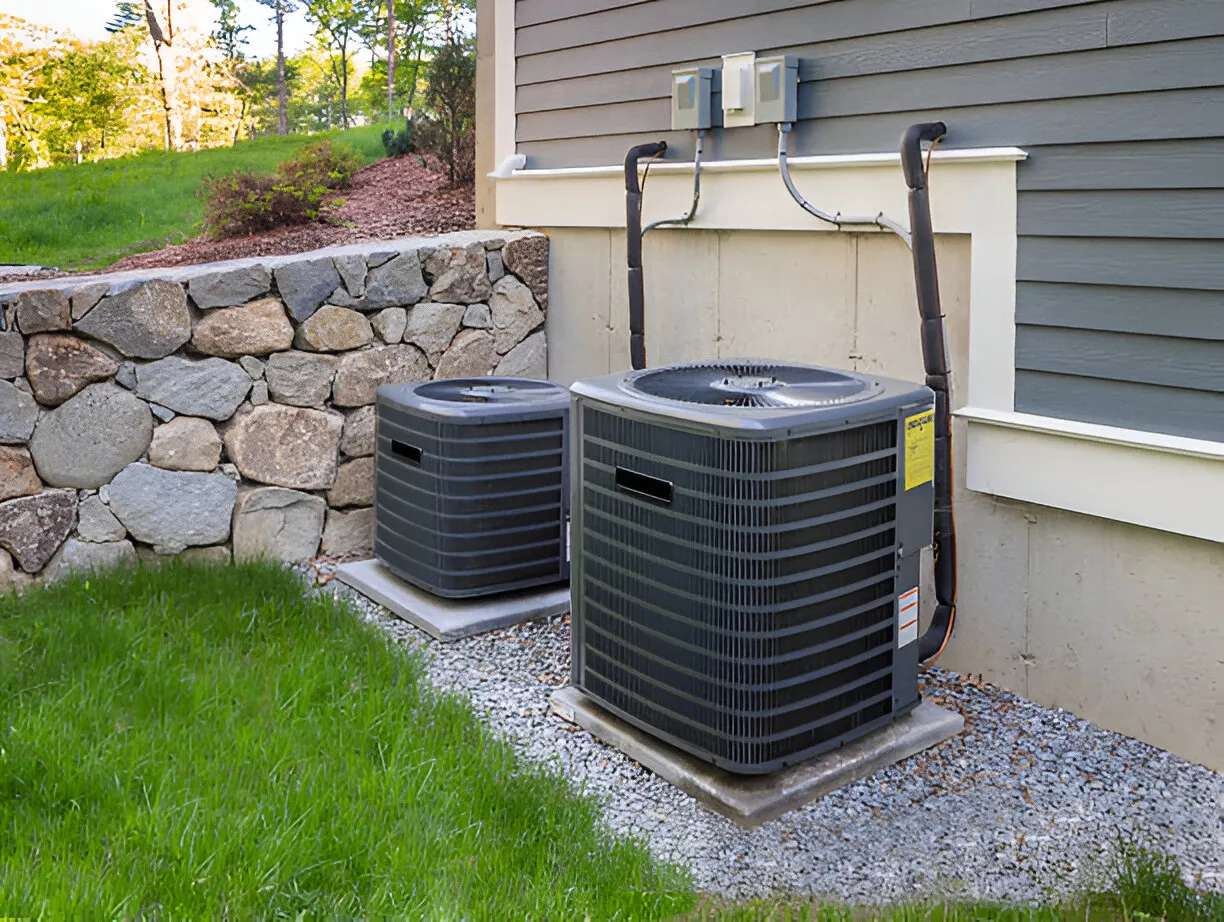
Why professional HVAC installation matters in Columbus, OH
Columbus experiences hot, humid summers and cold winter stretches that demand equipment sized and installed for both extremes. Oversized or undersized systems cause short cycling, poor humidity control, and uneven temperatures. Poor ductwork, improper refrigerant charge, or substandard venting reduce efficiency and can lead to early equipment failure. Professional installation addresses all of these variables: correct sizing, proper airflow, tight duct connections, compliant gas and electrical work, and careful commissioning so your system delivers the performance it was designed for.
Local factors that influence installation choices in Columbus include:
- Humidity control needs during summer months in central Ohio neighborhoods.
- Freezing temperatures and occasional heavy snow that affect outdoor equipment placement and drainage.
- Older housing stock in many Columbus neighborhoods that may require ductwork upgrades, crawlspace access, or handling of compact utility spaces.
- Local code and permitting nuances with the City of Columbus and Franklin County that affect combustion appliance venting, carbon monoxide protection, and electrical requirements.
Common HVAC installation projects in Columbus, OH
Homeowners most often need one of several installation types. Each has different considerations and benefits depending on home size, insulation, ductwork condition, and comfort goals.
- Central air conditioner installation and replacement
- Gas furnace installation and replacement
- Heat pump installation (air-source or ductless) and hybrid systems
- Mini-split ductless system installation for zone comfort or additions
- Packaged rooftop or single-unit systems for certain property types
- Full-system replacements including new ductwork and zoning
- System conversions (for example, switching from oil to gas or adding a heat pump)
Best Service Heating & Cooling evaluates your home and recommends solutions tailored to your specific needs and neighborhood conditions in Columbus.
Pre-installation assessment: what we inspect and why it matters
The pre-installation assessment is the roadmap for a successful HVAC installation. A thorough assessment includes:
- Visual inspection of existing equipment, ductwork condition, and thermostat wiring.
- Measurement of living spaces, ceiling heights, window exposure, and insulation levels.
- Inspection of electrical service, gas lines, and venting locations to confirm capacity and safety.
- Evaluation of indoor air quality needs, including filtration, humidification, and ventilation.
This step identifies potential obstacles like restricted attic access, undersized electrical panels, rotted ductwork, or inadequate condensate drainage that must be resolved before new equipment is installed. Addressing these up front prevents surprises, ensures correct equipment selection, and supports long-term system performance.
Load calculations and system sizing: Manual J, D, and S
Accurate sizing starts with industry-standard calculations. Best Service Heating & Cooling uses Manual J load calculations to determine the heating and cooling requirements of your Columbus home. This takes into account:
- Square footage, orientation, and window types
- Insulation levels, air infiltration, and thermal characteristics
- Occupancy patterns and internal heat gains
For homes with ducts, Manual D duct design ensures ducts are sized correctly to deliver the required airflow without excessive static pressure. Manual S guides equipment selection so that the chosen unit can meet calculated loads efficiently. Correct sizing avoids common problems such as:
- Short cycling that wastes energy and stresses equipment
- Inadequate dehumidification during hot, humid Columbus summers
- Inconsistent temperatures between rooms or floors
Equipment selection guidance: AC, furnace, heat pump, and mini-split considerations
Selecting the right system depends on load calculations, your budget, long-term goals for efficiency, and the physical constraints of your property.
- Air conditioners: Choose a unit with appropriate SEER rating for improved efficiency in Columbus summers. Matched coil and proper refrigerant charge are essential for peak performance and humidity control.
- Furnaces: Consider AFUE ratings for fuel efficiency and the best combustion and venting options for safety. High-efficiency condensing furnaces require proper condensate management and PVC venting.
- Heat pumps: Modern heat pumps perform well in Columbus, offering year-round heating and cooling with high efficiency. Cold-climate models or hybrid systems pairing a heat pump with a gas furnace can provide optimal comfort and efficiency during Ohio winters.
- Mini-splits: Ductless systems are excellent for additions, historic homes without ducts, or zoned comfort needs. They offer targeted heating and cooling with little structural disruption.
- Hybrid systems and zoning: Combining equipment types and zoning thermostats helps balance efficiency with performance, especially in multi-story or older Columbus homes with varied insulation levels.
Best Service Heating & Cooling walks homeowners through the tradeoffs of initial cost versus lifetime energy savings, and helps choose equipment that aligns with local energy patterns and the home’s construction.
Permitting and code compliance in Columbus, OH
Permits and inspections protect homeowners and ensure installations meet safety and energy standards. Common permitting and compliance considerations include:
- Building permits and mechanical permits required by the City of Columbus for replacements and new installations.
- Compliance with adopted energy codes affecting equipment efficiency and duct sealing.
- Electrical permits for new circuits or upgrades to existing service to support compressors and furnaces.
- Gas piping permits and proper venting clearances per code.
- Installation and testing of carbon monoxide alarms and proper combustion air for fuel-burning appliances.
Best Service Heating & Cooling manages the permit process and coordinates with local inspectors to ensure installations meet Ohio residential code requirements and City of Columbus regulations, reducing the risk of failed inspections or unsafe installations.
Step-by-step installation practices
A professional installation follows a structured process to ensure safety, performance, and minimal disruption.
Site preparation
- Protect floors, carpets, and landscaping. Verify clearances and staging areas for equipment.
Safe removal of old equipment
- Recover refrigerant per EPA regulations, disconnect gas and electrical, and dispose of old units responsibly.
Ductwork preparation or replacement
- Repair or replace damaged ducts, seal joints with mastic or UL-rated tape, and add insulation where needed to reduce losses.
Equipment placement and mounting
- Set indoor and outdoor units on vibration pads, level condensers, and route drain lines to frost-free locations when possible.
Refrigerant and electrical connections
- Proper brazing, pressure testing, vacuuming, and charge to manufacturer specifications. Install correct wire gauge, disconnects, and breakers.
Gas and venting work for furnaces
- Install or modify gas piping with leak testing and ensure venting meets code for clearance and draft.
Controls, thermostats, and zoning
- Install programmable or communicating thermostats, set up zoning dampers, and verify sensor placement for accurate temperature control.
Insulation and access panels
- Re-insulate access openings and ensure serviceable access to key components.
Final cleanup and homeowner walk-through
- Remove debris, restore work areas, and explain system operation and maintenance needs.
This disciplined process protects your home and ensures the system performs as intended in Columbus climates and living conditions.
Commissioning and performance testing
Commissioning validates that the system meets design targets and operates safely. Key tests and checks include:
- Refrigerant charge verification using superheat and subcooling measurements to manufacturer specs.
- Airflow measurement in CFM and static pressure readings to confirm duct performance.
- Temperature split (delta T) across evaporator coils to ensure adequate cooling.
- Electrical testing of amp draw, voltage, and breaker coordination.
- Combustion analysis for gas furnaces to measure combustion efficiency and carbon monoxide levels.
- Condensate drain performance to prevent backups and water damage.
- System controls and thermostat calibration, including verifying correct staging and sequencing.
Best Service Heating & Cooling documents commissioning results and provides homeowners with clear performance data and explanations of what the numbers mean in terms of comfort and efficiency.
Warranty, registration, and maintenance plans
A new system has two essential warranty components: manufacturer warranty and installer labor warranty. Best Service Heating & Cooling ensures:
- Manufacturer warranties are registered on installation to activate coverage.
- Labor and workmanship warranties are provided per local terms, covering installation-related issues.
- Clear explanation of what is and is not covered, including recommended maintenance schedules to protect warranties.
- Availability of ongoing maintenance plans, such as the SAM service agreement, that include seasonal inspections and priority service to extend equipment life and maintain efficiency.
Proper maintenance—annual tune-ups for furnaces and air conditioners—maintains efficiency, prevents small issues from becoming large failures, and protects warranty eligibility.
Financing options and ownership considerations
While price is an important factor, long-term operating costs and system lifespan are equally important when selecting HVAC equipment. Best Service Heating & Cooling provides information on flexible financing options to help homeowners choose higher-efficiency equipment or necessary ductwork improvements without sacrificing quality. Financing can make it easier to invest in:
- High-efficiency heat pumps or dual-fuel systems that reduce utility bills over time.
- Upgraded ductwork and insulation to improve system performance and comfort.
- Add-on IAQ products such as advanced filtration or whole-home humidification.
Financing solutions are structured to align repayment with energy savings and the practical needs of Columbus homeowners.
Typical project timelines and what to expect
Installation timelines vary by project scope:
- Simple AC or furnace swap: often completed in a single day when ductwork and utility connections are straightforward.
- Heat pump or hybrid system installs: may take one to two days, depending on electrical and refrigerant line routing.
- Full system replacements including ductwork or zoning: can take several days to a week depending on repairs and permitting timelines.
- Ductless mini-splits: typically require less structural work but require careful multi-zone planning and refrigerant routing.
Permitting and inspections can add time to the schedule depending on city backlog. Best Service Heating & Cooling plans projects to minimize disruption while ensuring compliance with local inspection schedules.
Common installation issues and how professionals prevent them
Several issues frequently arise with DIY or low-quality installations; professional crews prevent these by adhering to best practices:
- Improper refrigerant charge leading to low efficiency and compressor damage: prevented by performing accurate superheat/subcooling tests.
- Insufficient airflow from undersized ducts or closed registers: avoided through Manual D and airflow testing.
- Poor combustion or carbon monoxide risk from incorrect venting: prevented by proper vent installation and combustion analysis.
- Frequent cycling due to oversized equipment: prevented through correct Manual J sizing and staging strategies.
- Water damage from condensate backups: prevented by proper trap installation, drain sizing, and overflow safety switches.
Addressing these issues at install time saves money and provides predictable comfort throughout the life of the system.
Upgrades and add-ons to consider during installation
Installing a new HVAC system is also an opportunity to upgrade systems that improve comfort and efficiency:
- Smart or programmable thermostats tuned to system capabilities.
- Zoning systems for improved comfort in multi-level homes.
- High-efficiency filtration and UV air treatment for better indoor air quality.
- Whole-home humidifiers or dehumidifiers to manage Columbus seasonal humidity extremes.
- Insulation and air sealing work to reduce load size and improve system longevity.
Planning these enhancements during installation is often more cost-effective than retrofitting later.
Maintenance tips for longevity and peak efficiency
After installation, these practices help preserve performance:
- Schedule seasonal tune-ups for heating and cooling equipment.
- Replace or clean filters monthly to maintain airflow and protect components.
- Keep outdoor units clear of debris, plants, and snow to ensure airflow and heat exchange.
- Monitor thermostat schedules and setpoints to reduce unnecessary cycling.
- Periodically inspect condensate drains and outdoor disconnects for proper operation.
Best Service Heating & Cooling emphasizes maintenance through service agreements that prolong life and reduce emergency repairs.
Hot Deals & Cool Savings

.webp)
New Service Agreement Membership
.webp)
Any New Client Service
Next Service for Referring a New Client
New Service Agreement Membership
Any New Client Service
Next Service for Referring a New Client
.webp)
.webp)

Service Areas
