
Boiler Repair in Columbus, OH
Columbus boiler repair services offering expert diagnostics, safe repairs, and emergency response. Schedule a same-day visit for reliable warmth and safety.

Boiler Repair in Columbus, OH
Keeping your boiler running reliably is essential in Columbus, where cold winters and older housing stock put extra demand on heating systems.
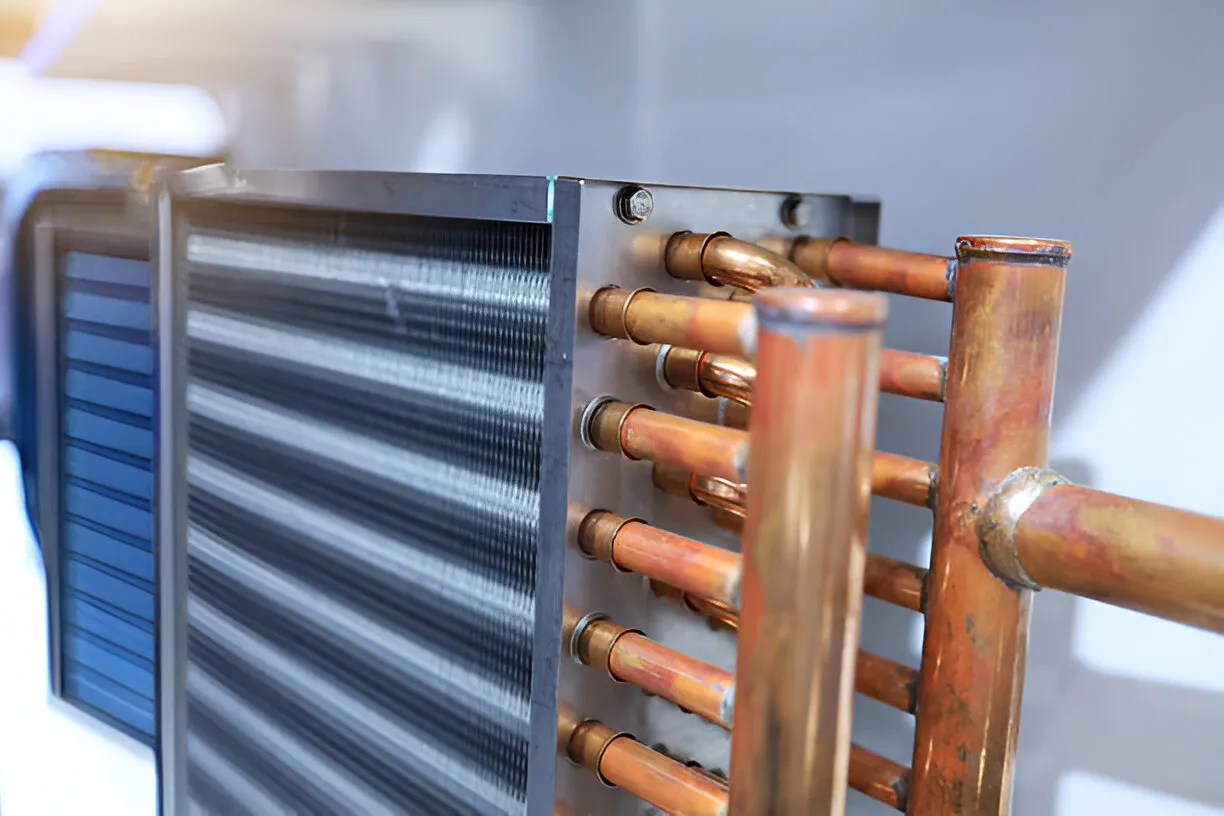
Why timely boiler repair matters in Columbus, OH
Columbus winters and seasonal temperature swings increase runtime and stress on boilers. Delaying repairs can lead to higher energy bills, system damage, and safety risks such as carbon monoxide exposure or water damage from leaks. Older cast-iron boilers common in many Columbus neighborhoods are robust but can develop issues from corrosion, sediment, or failing controls. Prompt, professional diagnostics help protect comfort, safety, and long-term equipment value.
Common boiler faults and symptoms in Columbus homes and buildings
- No heat or intermittent heat: may indicate fuel supply problems, ignition failure, thermostat issues, or circulator pump faults.
- Insufficient or uneven heating: blocked radiators, air in the system, failing zone valves, or a weak circulator pump.
- Short cycling (turning on and off frequently): often caused by oversized thermostats, pressure or temperature sensor faults, or a failing control board.
- Strange noises (kettling, banging, gurgling): scale buildup on heat exchangers, trapped air, or failing pumps. Columbus hard water can accelerate scale formation.
- Leaks or low system pressure: corroded pipework, failed pressure relief valves, or compromised heat exchanger seals.
- Yellow or sooty flame and combustion smells: incomplete combustion that can produce carbon monoxide and requires immediate attention.
- Pilot light or ignition failures: worn igniter, gas valve issues, or blocked burners.
- High energy bills or frequent breakdowns: signs the system is aging and losing efficiency.
Emergency repair response expectations
In Columbus, many service providers offer emergency boiler repair, especially during severe cold periods. For urgent safety-related symptoms such as loss of heat in freezing temperatures, suspected gas leaks, or any signs of carbon monoxide, expect providers to prioritize same-day response when available. Typical emergency response aims to be on-site within a few hours, with technicians stabilizing the system to prevent further damage and scheduling follow-up repairs or part replacement. Emergency protocols include isolating gas, shutting down unsafe equipment, and ventilating areas when required.
Diagnostic procedures: what to expect
A thorough boiler diagnosis follows a systematic approach:
- Visual inspection of boiler, piping, vents, and surrounding area for corrosion, leaks, or signs of combustion byproducts.
- System pressure check and examination of expansion tanks and pressure relief valves.
- Combustion analysis and flame inspection to verify safe and efficient burner operation.
- Thermostat and control board testing to confirm correct signals and sequencing.
- Circulator, pump, and valve function tests to identify flow problems or noisy components.
- Water quality and scale inspection; if needed, conductivity or sediment checks to identify hard water damage.
- Thermal imaging or infrared scans to detect heat exchanger failures or blocked heat transfer areas.
- CO (carbon monoxide) testing and ventilation assessment for safety.
Diagnostics are documented and used to recommend repair, parts replacement, or replacement when repair is no longer cost effective.
Typical replacement parts and repair process
Common parts replaced during boiler repair include:
- Circulator pumps and bearings
- Pressure relief valves and expansion tanks
- Igniters, flame sensors, and burners
- Control boards, thermostats, and zone valves
- Heat exchangers (when repair is possible) or full replacement if cracked
- Gas valves, pilot assemblies, and condensate traps
- Flue components and venting sections
Standard repair workflow:
- Initial assessment and safe shutdown if necessary.
- Written diagnostic findings and recommended options.
- Sourcing of genuine OEM or equivalent replacement parts based on system make and model.
- On-site repair or part replacement following manufacturer guidelines and local codes.
- System refilling, air purging, pressure adjustment, and calibration of controls.
- Safety and performance testing, including combustion efficiency and CO checks.
- Final documentation of work performed and warranty information.
For commercial systems, additional coordination may be required for building operations, scheduled downtime, and permit inspections.
Technician qualifications and certifications
Qualified technicians should have relevant licenses and training to work on boilers safely and to code:
- State-licensed HVAC or plumbing credentials where required for Ohio installations.
- Manufacturer-specific training and certification for complex or proprietary boiler systems.
- NATE certification or equivalent competency credentials for diagnostics and service.
- Boiler operation or boiler technician certifications for commercial and high-pressure systems.
- OSHA safety training and experience with gas safety protocols and confined space procedures.
- Experience with combustion analysis equipment, CO detectors, and modern control systems.
Always expect technicians to follow safety standards, use calibrated testing equipment, and provide clear documentation of repairs and safety checks.
Warranty, safety testing, and permits
Proper repairs should include safety verification and warranty documentation:
- Post-repair testing: pressure and leak tests, combustion efficiency, CO testing, and verification of safe venting.
- Parts and labor warranty: many repairs carry limited warranties on replaced parts and workmanship; manufacturer warranties may cover specific components.
- Permits and inspections: significant repairs or boiler replacements may require local permits and inspections in Columbus; a qualified technician will advise on compliance and coordinate required inspections.
When to repair versus replace
Consider replacement when:
- The boiler is approaching the end of its expected service life (typical ranges depend on boiler type).
- Repair costs are a large percentage of replacement value.
- Repeated breakdowns and high energy costs indicate declining efficiency.
- The building requires a different capacity or a more efficient system to meet comfort needs.
Technicians can run a cost-benefit assessment considering age, efficiency, repair frequency, and long-term operating costs.
Preventive maintenance tips for Columbus properties
- Schedule annual preseason tune-ups to inspect burners, test controls, and clean heat exchangers.
- Flush or service water treatment systems to reduce scale from moderately hard Columbus water.
- Check and bleed radiators or zone lines to remove trapped air.
- Monitor system pressure monthly and watch for gradual pressure loss.
- Test expansion tanks and relief valves periodically.
- Keep vents, chimneys, and outdoor air intakes clear of debris and snow in winter.
- Install and maintain carbon monoxide detectors near living spaces and mechanical rooms.
- Replace thermostats or controls with programmable units to reduce unnecessary cycling.
Hot Deals & Cool Savings

.webp)
New Service Agreement Membership
.webp)
Any New Client Service
Next Service for Referring a New Client
New Service Agreement Membership
Any New Client Service
Next Service for Referring a New Client
.webp)
.webp)

Service Areas
