
Furnace Repair in Lancaster, OH
Furnace Repair Lancaster, OH: Thorough diagnostics, carbon monoxide checks, safety inspections, transparent pricing, and fast, reliable service. Learn more today.

Furnace Repair in Lancaster, OH
A reliable furnace is essential for Lancaster, OH homes where cold, damp winters place heavy demands on heating systems. If your furnace is showing signs of trouble — pilot or ignition errors, strange odors, uneven or insufficient heat — prompt, professional furnace repair prevents safety risks, reduces energy waste, and extends equipment life.
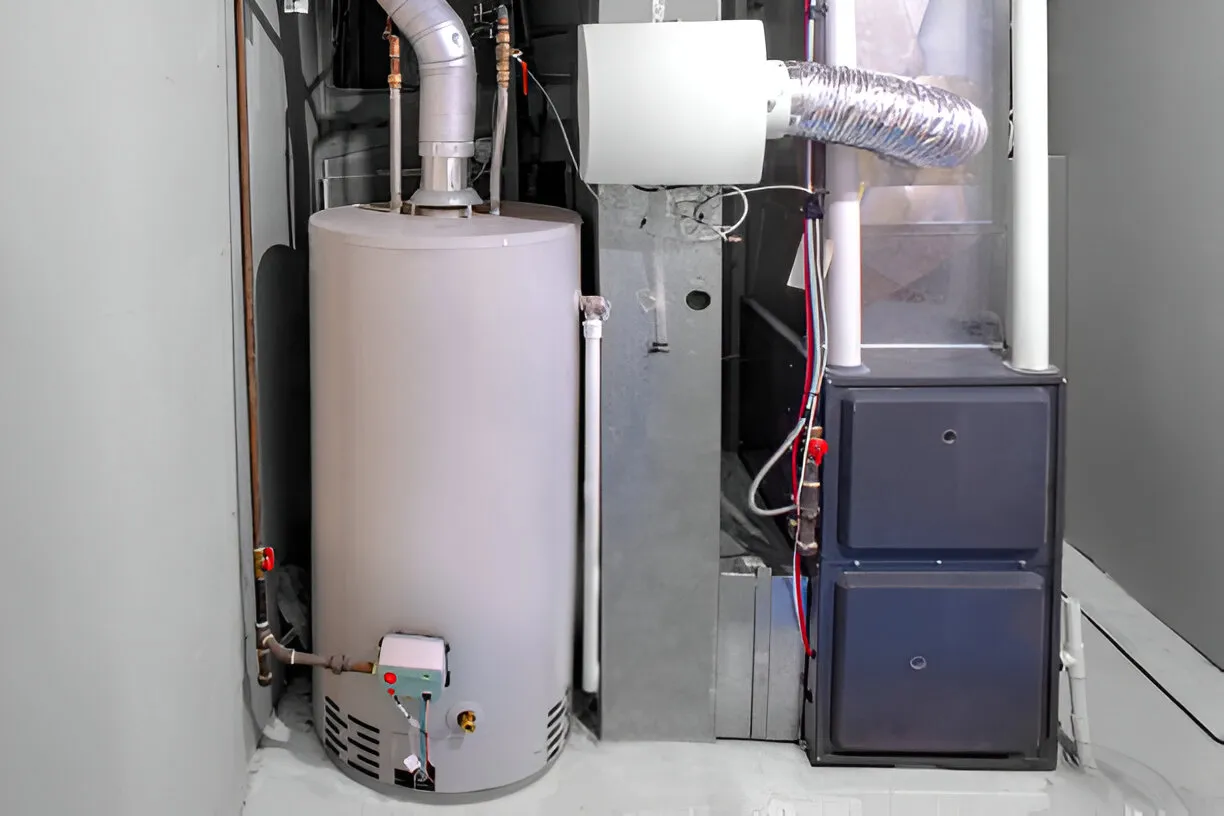
Common furnace repair issues in Lancaster homes
Homes in Lancaster often have a mix of older and newer systems. Cold snaps and frequent cycling during winter can expose weaknesses quickly. Typical symptoms that indicate you need furnace repair include:
- Pilot or ignition issues — furnace will not light, ignition clicks but no flame, or intermittent startup.
- Unusual smells — dusty “burning” smell on first startup, persistent rotten-egg or natural gas odor (requires immediate attention).
- Inadequate heating — rooms are colder than the thermostat setting or heat is uneven across the home.
- Short cycling — furnace turns on and off frequently; increases wear and energy use.
- Strange noises — banging, rattling, or squealing from the cabinet, blower, or heat exchanger area.
- No airflow or weak airflow — often caused by blower motor issues, clogged filters, or duct restrictions.
- Frequent pilot outages or error codes — repeated failures of ignition components or control board faults.
- Carbon monoxide concerns — signs of a cracked heat exchanger or venting problem can lead to elevated CO levels.
How a professional furnace diagnostic is performed
A thorough diagnostic isolates the root cause so repairs target the real problem rather than symptoms. Typical diagnostic steps include:
- Visual and safety inspection — check burners, pilot/ignition assembly, wiring, gas connections, venting, and the heat exchanger area for obvious defects or corrosion.
- Filter and return-air check — verify filter condition and airflow through returns and supply registers.
- Electrical and control checks — measure voltages, inspect control board, relays, capacitors, and thermostat signals.
- Ignition and combustion testing — test ignition sequence, flame sensors, and combustion efficiency where applicable.
- Blower and motor diagnostics — examine blower wheel, motor bearings, belts (if present), and motor electrical health.
- Pressure and venting checks — confirm inducer motor operation and proper exhaust venting; evaluate for vent blockages common after heavy winds or debris.
- Carbon monoxide test — measure CO at the furnace and nearby registers to ensure safe operation.
- Ductwork assessment — inspect visible ductwork for disconnections or major leaks that reduce heating effectiveness.
Diagnostics generally take 30 to 90 minutes depending on system complexity and the number of suspected issues.
Common parts replaced during furnace repair
Some parts wear out more often than others. In Lancaster, repair techs commonly replace:
- Ignition module or hot surface igniter — failure prevents the furnace from lighting.
- Flame sensor or thermocouple — dirty or failed sensors can cause the furnace to shut down.
- Gas valve — controls fuel flow; failure prevents firing or causes unsafe operation.
- Control board — central electronics that can fail with power surges or age.
- Blower motor or capacitor — weak airflow or noisy operation often traced here.
- Inducer motor — essential for correct venting; failures trigger lockouts.
- Limit switch — prevents overheating; faults can cause frequent shutdowns.
- Pressure switch and rollout switches — safety devices that can fail or be triggered by venting issues.
- Heat exchanger (repair or replacement) — cracked exchangers are serious and may necessitate furnace replacement depending on severity and age.
Some failures (like a cracked heat exchanger) are safety-related and require immediate action.
Safety inspections and carbon monoxide (CO) checks
Safety is a core part of any furnace repair. A professional furnace repair in Lancaster, OH includes:
- A carbon monoxide test at the furnace and nearby living spaces to detect elevated CO levels.
- An inspection of venting and flue for blockages, corrosion, or improper pitch that can cause backdrafting.
- Verification of gas-tight connections and proper pressure where applicable.
- Functional tests of safety controls like rollout switches, limit switches, and pressure switches.
If CO is detected or venting is unsafe, the furnace is typically shut down until repairs restore safe operation.
Repair timelines and emergency service availability
Repair timelines vary by diagnosis and parts availability:
- On-the-spot fixes (thermostat recalibration, sensor cleaning, filter replacement, minor electrical connections) are often completed during the initial visit.
- Common part replacements (ignitor, flame sensor, control board, motors) may be completed same-day if parts are in stock or within 24 to 72 hours when ordering is required.
- Major repairs or heat exchanger replacement can take longer and may involve coordinating permits or multiple visits.
Emergency furnace repair options are available for unsafe conditions such as gas leaks, loss of heat during extreme cold, or detected carbon monoxide. In those scenarios, priority response and temporary safety measures are standard practice until permanent repairs are completed.
Pricing transparency and what affects repair cost
Transparent pricing helps you weigh repair vs replacement. Repair estimates typically explain:
- Diagnostic findings and which parts/labor are required.
- An itemized breakdown of part costs, labor hours, and any necessary permits.
- Warranty coverage on replacement parts and labor where applicable.
- Options and recommendations, such as repairing a component now versus replacing an aging furnace when multiple failures indicate end of service life.
Factors that influence repair cost include the furnace age and accessibility, part availability and brand, extent of damage, and whether safety hazards like a cracked heat exchanger are present.
Preventive steps to reduce future repairs
Regular maintenance reduces emergency repairs and keeps systems efficient in Lancaster’s winter climate:
- Replace or clean filters every 1 to 3 months during heavy use.
- Schedule an annual heating tune-up before the coldest months.
- Keep vents and exterior intake/exhausts clear of snow, debris, and vegetation.
- Install and maintain carbon monoxide detectors on each level of the home.
- Consider a maintenance agreement to get priority service and regular inspections.
Why timely furnace repair matters in Lancaster, OH
Addressing furnace issues promptly protects your household from safety risks, prevents higher energy bills, and avoids costly secondary damage. Given Lancaster’s winter temperature swings and older housing stock in parts of town, prompt diagnostics and transparent repair options keep families safe and comfortable while helping you make the most cost-effective decision for your home heating needs.
Hot Deals & Cool Savings

.webp)
New Service Agreement Membership
.webp)
Any New Client Service
Next Service for Referring a New Client
New Service Agreement Membership
Any New Client Service
Next Service for Referring a New Client
.webp)
.webp)

Service Areas
