
Water Heater Replacement in Columbus, OH
Water heater replacement in Columbus, OH: learn when to replace, sizing options, energy savings, and what to expect from installation. Contact us.

Water Heater Replacement in Columbus, OH
Replacing a water heater is a major home service decision that affects comfort, energy bills, and long-term reliability. In Columbus, OH, where cold winters increase hot water demand and many homes face mineral buildup from moderately hard water, choosing the right replacement matters.
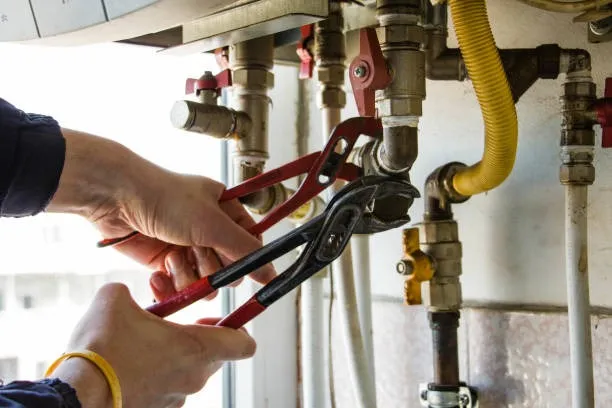
When to Replace vs Repair
Knowing whether to repair or replace your water heater depends on age, symptoms, and cost-effectiveness.
Common signs replacement is recommended:
- The unit is 10 years old or older (tank systems) or approaching its expected service life.
- Recurrent leaks, rusted tank, or wetness at the base.
- Persistent rusty or discolored hot water indicating internal corrosion.
- Loud rumbling or popping noises from the tank from sediment buildup.
- Frequent or costly repairs that approach the price of a new system.
- Inadequate hot water supply despite recent repairs.
- Safety concerns such as gas smell, cracked venting, or malfunctioning pressure relief valves.
If the problem is a single faulty part (thermostat, heating element, dip tube) and the heater is relatively new, repair can be economical. If the unit shows multiple age-related issues or fails to meet household demand, replacement is usually the smarter long-term choice.
Evaluation Process for Selecting a Replacement Unit
A proper evaluation balances current household needs, fuel availability, structural constraints, and local climate effects.
Typical on-site assessment includes:
- Confirming fuel type: natural gas, propane, or electric.
- Measuring available space, venting options, and clearances.
- Checking existing plumbing, gas line size, and electrical service capacity.
- Reviewing household hot water usage patterns and peak hour demand.
- Testing incoming water temperature and noting any mineral buildup.
- Inspecting exhaust venting and combustion air provisions for gas units.
- Discussing homeowner priorities: lower utility bills, continuous hot water, compact footprint, or lowest upfront cost.
From this data, a professional recommends right-sized options and required upgrades (electrical panel, gas line, venting, expansion tank) to ensure safe, efficient operation.
Replacement Options: Efficiency and Sizing
Options vary by fuel and efficiency goals. Common choices include:
- Conventional tank water heaters
- Pros: Lower upfront cost, simple installation.
- Best when: Budget is primary concern or for backup systems.
- High-efficiency condensing gas tanks
- Pros: Improved gas utilization for lower operating costs in gas-served homes.
- Tankless (on-demand) water heaters
- Pros: Continuous hot water, smaller footprint, lower standby losses.
- Considerations: Must size by flow rate (GPM) and temperature rise, may require upgraded venting or gas line.
- Heat pump (hybrid) electric water heaters
- Pros: Significantly higher efficiency in suitable locations, notable energy savings.
- Considerations: Require space and ambient air (they extract heat from surrounding air) and perform best in moderate climates or conditioned spaces.
- Point-of-use or combination systems
- Pros: Useful for specific high-demand fixtures or for supplementing a main unit.
Right-sizing guidance:
- Tank systems: Choose a tank with adequate first-hour rating (FHR) for your household’s peak usage.
- Tankless systems: Size to meet required flow rate at the desired temperature rise during peak use.Accurate sizing prevents disappointing performance and wasted energy.
Energy Savings and Cost Comparisons
Efficiency gains depend on fuel type, unit selection, usage patterns, and local energy rates.
- Upgrading an old conventional tank to a high-efficiency gas or a heat pump electric unit can reduce operating costs substantially.
- Tankless units eliminate standby heat loss and can lower fuel use, especially for households with intermittent hot water needs.
- Heat pump water heaters can deliver 2x or more efficiency compared with standard electric resistance units in appropriate settings, but performance varies with installation location and ambient temperature.
Estimate savings by comparing energy factors and expected hot water consumption. Local Columbus energy costs and seasonal demand (longer recovery needs in winter) influence payback timelines. Many homeowners see meaningful reductions in monthly energy bills and longer-term lifecycle advantages from higher-efficiency units.
Project Timeline: From Quote to Install
Typical timeline steps:
- Quote and evaluation: 1–3 business days for site visit and written recommendations.
- Permit acquisition: 2–10 business days depending on local building department workload (permits are required in Columbus for most replacements).
- Scheduling the install: Normally within 1–2 weeks after permit approval.
- Installation day: Standard tank replacement commonly takes 4–8 hours. Tankless or systems requiring venting, gas line upgrades, or electrical work can take 1–2 days.
- Inspection and final sign-off: City inspection may occur the same day or within a few days after installation.
Timeline can extend if electrical panel upgrades, gas line resizing, or structural modifications are necessary.
Permits, Disposal, and Safety
- Permits: Required for code compliance and safety in Columbus. A licensed professional typically pulls permits and coordinates inspections.
- Disposal: Old tanks are drained, safely removed, and recycled or disposed of according to local regulations. Corroded tanks and propane cylinders require special handling.
- Safety checks: New installations include testing pressure relief valves, checking venting clearances, verifying combustion air for gas units, and ensuring proper electrical connections.
Warranties and Rebates
- Manufacturer warranties vary: tank units commonly offer 6–12 years on the tank and 1–3 years on parts; tankless and heat pump units may carry longer component warranties for heat exchangers or compressors. Read warranty terms for coverage details and required maintenance.
- Rebates and incentives: Energy-efficiency rebates may be available through state programs or local utilities. Federal tax credits for qualifying high-efficiency equipment can also apply. Checking available local incentives can improve return on investment.
Expected Benefits of Upgrading in Columbus
Upgrading delivers clear advantages for Columbus homes:
- More reliable hot water supply during winter peaks.
- Reduced energy bills with high-efficiency or heat pump systems.
- Better safety and code compliance with modern venting and controls.
- Less frequent repairs and longer service life with new equipment.
- Improved space utilization with compact tankless or wall-mounted units.
- Fewer issues from sediment and corrosion when replacing aged tanks affected by local water mineral content.
Maintenance and Longevity Tips
- Flush tanks annually or more frequently in homes with mineral-rich water to extend tank life.
- Install a water softening or filtration system if hard water is a known problem.
- Test pressure relief valve annually.
- Follow manufacturer-recommended maintenance schedules for heat pump and tankless systems, such as descaling for tankless units where needed.
Choosing the right replacement in Columbus means accounting for local climate demands, household usage patterns, and the available fuel infrastructure. A thorough evaluation, accurate sizing, and proper permits and installation provide comfort, safety, and energy savings for years to come.
Hot Deals & Cool Savings

.webp)
New Service Agreement Membership
.webp)
Any New Client Service
Next Service for Referring a New Client
New Service Agreement Membership
Any New Client Service
Next Service for Referring a New Client
.webp)
.webp)

Service Areas
