
Mini Split Installation in Columbus, OH
Mini Split installation in Columbus, OH delivers zoning and year-round comfort. Learn the process and schedule service today.

Mini Split Installation in Columbus, OH
A properly installed mini-split (ductless) system delivers year-round comfort, quieter operation, and improved energy efficiency for Columbus homes. Whether you are replacing an older HVAC system, adding conditioned space to a historic short-duct house, or creating zoned comfort for a basement or addition, understanding the installation process and what to expect helps you make a confident decision.
Why a mini-split makes sense in Columbus, OH
Columbus experiences hot, humid summers and cold, occasionally below-freezing winters. Modern mini-split heat pumps offer high-efficiency cooling for summer humidity and reverse-cycle heating that can work effectively through most Central Ohio winters when sized and installed correctly. They are especially useful in older area homes without ductwork, multi-family units, finished basements, sunrooms, and room additions common throughout Columbus neighborhoods.
Common mini-split installation types and issues in Columbus
- Single-zone installations for a single bedroom, basement, or addition.
- Multi-zone systems to serve multiple rooms or whole-house zoning without ductwork.
- Retrofit installations in older homes where running ducts is impractical.
- Common issues: undersized or oversized systems, excessive line-set lengths, poor condensate drainage, inadequate electrical supply, and incorrect indoor unit placement that causes short cycling or uneven comfort.
Site assessment and load calculations
- Initial assessment includes room sizes, insulation levels, window orientation, occupancy, and local heat gain from Columbus sun exposure.
- A Manual J load calculation (or equivalent) determines proper capacity. Proper sizing prevents short cycling, humidity problems, and inefficient operation. For homeowners in Columbus, factors like older single-pane windows or poorly insulated basements can change recommended capacity.
- Assessment also identifies mounting locations, line-set routing, required electrical upgrades, and any structural or aesthetic constraints.
Indoor and outdoor unit placement considerations
- Indoor units: place on an interior wall with clear airflow across the living space; avoid locations directly above beds or seating if noise is a concern. Higher mounting improves air distribution but must allow access for filter cleaning and coil servicing.
- Outdoor units: choose a level, ventilated location with 12-24 inches clearance for airflow and maintenance. Avoid hot attic-like enclosures or areas with heavy snow buildup. In Columbus, consider positioning the outdoor unit to minimize snow drifts and ice buildup and to avoid direct afternoon sun where possible.
- Line-set length: keep refrigerant piping as short as practical. Longer runs increase cost, add refrigerant charge, and can affect performance.
Piping, drain, and electrical requirements
- Refrigerant lines (copper), condensate drain, and control wiring are routed through a small wall penetration typically 2-3 inches in diameter. Penetrations are sealed and insulated to prevent drafts and moisture entry.
- Electrical work: most mini-splits require a dedicated circuit and properly sized breaker. Multi-zone systems may need a larger disconnect and service capacity checks. Verify local Columbus electrical code requirements and whether a service panel upgrade is necessary.
- Condensate management: indoor units must have reliable condensate removal. Options include gravity drains, condensate pumps, or drain-line routing into existing plumbing—installed to meet local plumbing codes.
Permit and code requirements in Columbus
- Columbus and Franklin County may require permits and inspections for HVAC alterations. Permit requirements typically cover refrigerant handling, electrical connections, and mechanical installation.
- Refrigerant work must follow EPA regulations and be performed by certified technicians. Confirm local licensing and inspection steps during the planning stage to avoid delays.
Step-by-step installation and commissioning
- Final site check and load verification.
- Install outdoor unit pad or mounting hardware and secure outdoor unit.
- Mount indoor unit bracket, drill wall opening, and route line set, drain, and control wiring.
- Connect refrigerant lines and flare or brazed joints as required. Insulate lines to prevent condensation.
- Evacuate the refrigerant lines and indoor coil with a vacuum pump to remove moisture and air.
- Charge system with refrigerant per manufacturer specifications if needed.
- Complete electrical connections: connect unit to disconnect and to thermostat/controller wiring.
- Power up system and perform commissioning tests: verify cooling and heating cycles, check superheat/subcooling where applicable, inspect airflow, confirm condensate removal, and set controller schedules.
- Final trim, seal wall penetration, and provide homeowner orientation on filters, remote controls, and maintenance.
Expected timeline
- Single-zone installations in an accessible location typically take one full day.
- Multi-zone systems, complex line-set routing, electrical upgrades, or permit/inspection scheduling can extend the project to 2-3 days or longer.
- Permit review and scheduling local inspections can add additional days depending on Columbus inspection timelines.
Pricing factors to expect
- Number of zones and indoor units.
- Unit efficiency ratings (SEER, HSPF) and brand/model selection.
- Length and complexity of refrigerant line-set routing.
- Electrical work: need for a new circuit or service panel upgrade.
- Mounting complexity (e.g., high walls, recessed installs, or structural reinforcements).
- Condensate handling solutions (gravity vs pump).
- Permit, inspection, and any required structural or cosmetic repairs.
Maintenance plan enrollment and long-term care
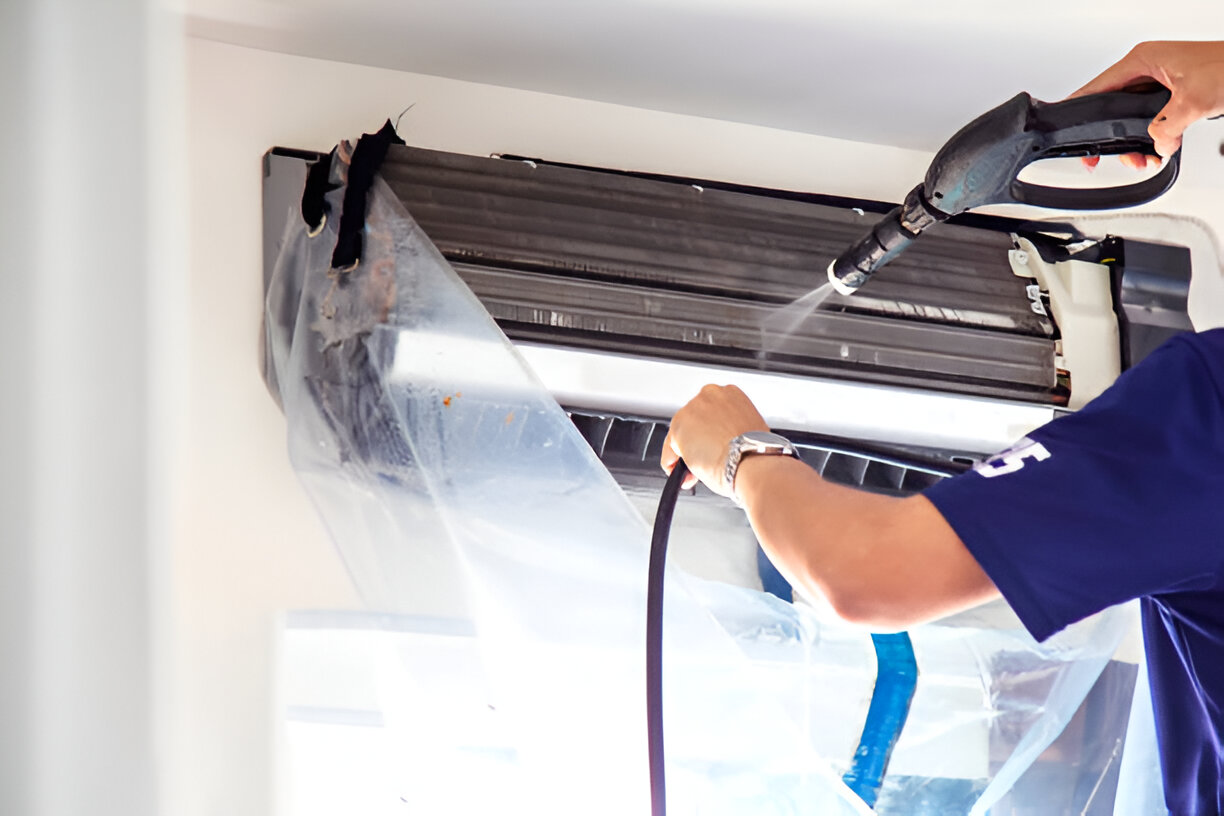
- Annual or biannual maintenance keeps your mini-split efficient and protects warranty coverage. A professional tune-up includes cleaning coils, checking refrigerant levels, testing electrical connections, inspecting drainage, and confirming proper operation in both heating and cooling modes.
- Homeowner tasks: clean or replace filters regularly (every 1-3 months depending on use), keep indoor unit free of dust, and maintain outdoor unit clearance of debris and snow.
- In Columbus, seasonal checks before summer cooling and before cold spells help maintain performance and prevent winter defrost or low-temperature operation issues.
Tips for maximizing efficiency and indoor comfort
- Use correct sizing and zoning to avoid overworking units and wasting energy.
- Set sensible temperature differentials and use programmable schedules to reduce run hours when rooms are unoccupied.
- Improve insulation and seal windows/doors to reduce load on the mini-split, particularly in older Columbus homes.
- Consider supplemental measures like ceiling fans, window shading, and insulated curtains to reduce peak loads.
- For winter operation, choose units rated for lower ambient performance and follow recommended defrost settings to maintain heat output during cold snaps.
A well-planned mini-split installation tailored to Columbus homes delivers precise zoning, improved efficiency, and reliable year-round comfort. Proper assessment, permitting, quality installation practices, and routine maintenance are the keys to long-term performance and satisfaction.
Hot Deals & Cool Savings

.webp)
New Service Agreement Membership
.webp)
Any New Client Service
Next Service for Referring a New Client
New Service Agreement Membership
Any New Client Service
Next Service for Referring a New Client
.webp)
.webp)

Service Areas
