
Heating Installation in Columbus, OH
Heating installation in Columbus, OH delivers professional site assessment, code-compliant installation, disposal and warranty guidance, plus financing options to fit your budget.

Heating Installation in Columbus, OH
Upgrading or replacing a heating system is one of the most important home investments for Columbus homeowners. With cold Ohio winters, aging housing stock in many neighborhoods, and rising energy costs, the right heating installation improves comfort, lowers utility bills, and reduces risk of mid-winter breakdowns.
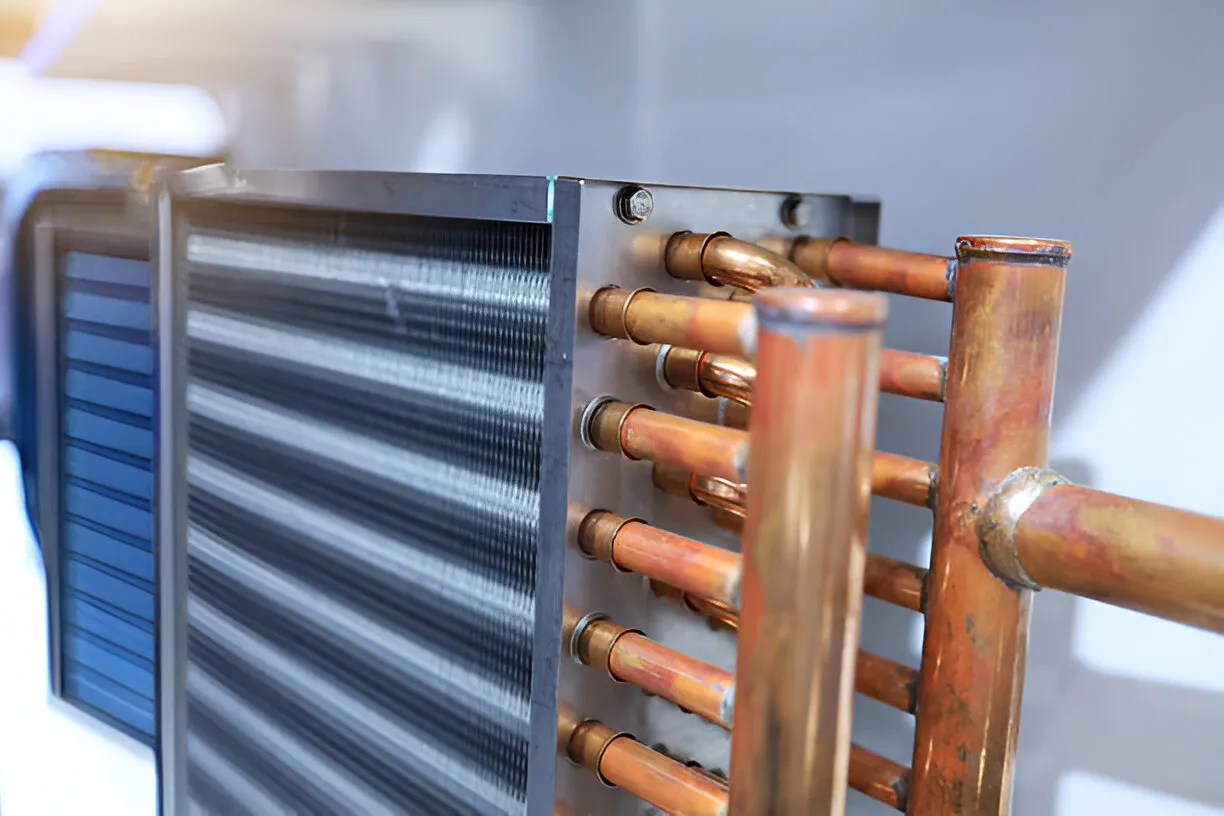
Common heating systems for Columbus homes
- Gas furnaces
- Pros: fast heat, familiar technology in many Columbus houses, broad contractor experience
- Considerations: requires proper venting and combustion air
- Heat pumps (including cold-climate models)
- Pros: high efficiency, provide cooling and heating, better performance year-round
- Considerations: modern cold-climate models perform well in Ohio winters but must be sized and installed correctly
- Boilers
- Pros: long life, comfortable radiant heat for older homes with radiators or baseboards
- Considerations: more complex piping and maintenance
- Ductless mini-splits
- Pros: ideal for room additions, older homes without ducts, or zoned comfort
- Considerations: multiple indoor heads and line sets influence install complexity
- Hybrid systems (furnace paired with heat pump)
- Pros: combine efficiency and backup heat source for varied Columbus winter conditions
Site assessment and load calculations
A professional installation starts with a thorough site assessment and load calculation. Technicians perform a Manual J-style heat load calculation to determine the correct equipment size for your specific Columbus home. Proper sizing considers:
- Square footage, insulation levels, and window types
- Orientation and sun exposure
- Number of occupants and typical thermostat settings
- Existing ductwork condition and layout
Undersized units struggle to maintain temperature and run constantly; oversized units cycle on and off, causing wear, reduced efficiency, and humidity control issues. A precise load calculation prevents these common installation problems in Columbus homes.
Selecting energy-efficient models
Energy efficiency matters for long-term operating costs in Columbus. Key metrics to compare:
- Furnaces: AFUE rating indicates fuel-to-heat efficiency
- Heat pumps: HSPF and SEER ratings (and cold-climate performance data) show winter and summer efficiency
- ENERGY STAR certification signals higher efficiency and quality
Selection also factors in fuel availability (natural gas, electric), existing ductwork suitability, and your household comfort goals. For many Columbus residents, modern high-efficiency heat pumps or sealed-combustion furnaces provide the best balance of comfort and operating cost.
What a proper installation involves
A code-compliant, reliable heating installation follows a clear sequence:
- Pre-installation inspection and final measurements
- Safe removal and responsible disposal of the old system, including refrigerant recovery if applicable
- Any required ductwork repairs, sealing, or resizing to match the new unit
- Venting and combustion air work for gas systems, or proper condensate/drain routing for heat pumps/boilers
- Electrical hookups, safety switches, and thermostat wiring or smart thermostat setup
- Startup, system charging (for refrigerant systems), and balancing of airflow
- Commissioning and performance testing: static pressure, temperature rise, combustion analysis if applicable
- Customer walkthrough explaining operation, maintenance needs, and warranty registration
Each step reduces the risk of callback work and ensures the system performs to rated efficiency in Columbus climate conditions.
Permits, inspections, and code compliance in Columbus, OH
Local building codes and safety standards must be met for gas piping, venting, electrical connections, and equipment placement. Installations commonly require:
- Mechanical and/or electrical permits filed with Columbus building department
- Inspections for gas line work, venting, and final system operation
- Adherence to combustion air and carbon monoxide safety requirements
Proper permitting protects homeowners, ensures code compliance, and is often required to validate manufacturer warranties and insurance coverage.
Removal, disposal, and environmental concerns
Old equipment removal typically includes draining and disposing of oil or refrigerant per EPA regulations, and recycling metal components where possible. For refrigeration systems, certified refrigerant recovery is required. Proper disposal addresses safety, environmental rules, and avoids future liability for homeowners in Columbus.
Typical timelines and cost factors
Installation timelines vary by project complexity:
- Simple like-for-like furnace swap: short duration, often completed in one day
- Heat pump replacements with minor ductwork work: one to a few days
- System changes involving ductwork, new venting, or boilers: multiple days to complete
Factors that influence cost (not shown here in dollar amounts) include:
- Equipment efficiency and features
- Extent of ductwork modification or repair
- Required gas or electrical upgrades
- Accessibility of equipment and site conditions in older Columbus homes
- Permit and inspection requirements
Understanding these variables helps set realistic expectations for scheduling and budgeting without surprises.
Financing options and warranty information
Many homeowners prefer financing to spread the investment over time. Common financing approaches include installment loans or promotional plans offered through third-party lenders. When reviewing options, compare terms, interest, and any required down payment.
Warranty coverage typically includes:
- Manufacturer parts warranty (length varies by model and registration)
- Labor or workmanship warranty from the installer (confirm duration and what is covered)
- Optional extended warranties or maintenance agreements for long-term protection
Registering the new equipment with the manufacturer and keeping records of professional maintenance are key steps to preserve warranty rights.
Long-term benefits and maintenance advice
A properly installed, high-efficiency heating system delivers:
- More consistent comfort during Columbus winters
- Lower energy use and utility bills
- Reduced risk of mid-season failure
- Improved indoor air quality and quieter operation
To protect your investment:
- Schedule annual professional maintenance and safety checks
- Replace filters regularly and monitor airflow to reduce strain
- Keep vents and returns clear and maintain adequate combustion air for gas systems
- Consider a maintenance plan to extend system life and maintain efficiency
Proper installation plus ongoing care ensures the system operates safely and efficiently year after year.
Hot Deals & Cool Savings

.webp)
New Service Agreement Membership
.webp)
Any New Client Service
Next Service for Referring a New Client
New Service Agreement Membership
Any New Client Service
Next Service for Referring a New Client
.webp)
.webp)

Service Areas
