
Heat Pump Repair in Columbus, OH
Heat pump repair in Columbus, OH delivers fast diagnostics, reliable fixes, and transparent estimates. Schedule service today for comfort.

Heat Pump Repair in Columbus, OH
When your heat pump stops providing reliable heating or cooling, the disruption is immediate — especially in Columbus where hot, humid summers and chilly winters make dependable HVAC essential. Heat Pump Repair in Columbus, OH focuses on fast, accurate diagnostics and long-lasting repairs for common failures like no heat or cooling, strange noises, and short cycling.
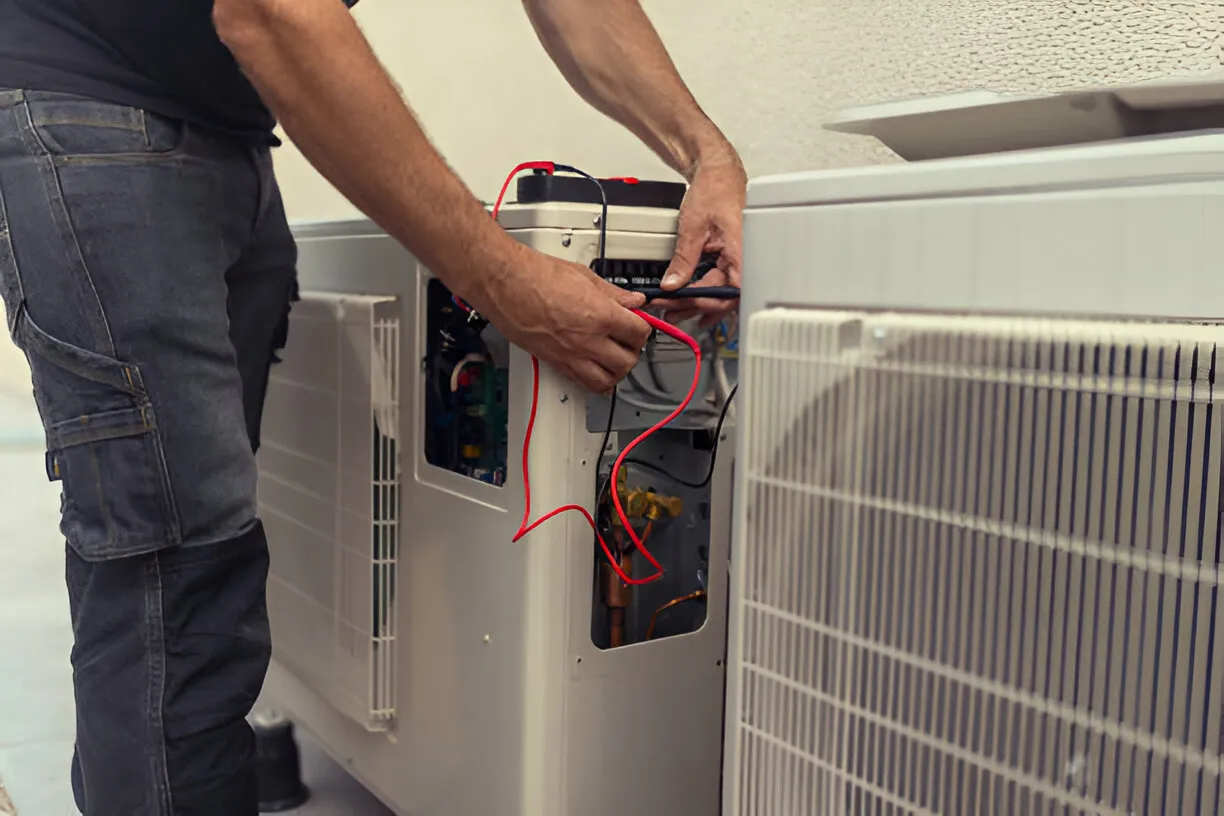
Why timely heat pump repair matters in Columbus
Columbus homeowners face seasonal extremes: humid summers stress cooling systems, and below-freezing stretches in winter demand reliable heating. Delaying repairs can lead to higher energy bills, increased wear on components, and complete system failure when you need it most. Prompt, professional repair restores comfort, protects indoor air quality, and preserves the system’s remaining life.
Common heat pump problems in Columbus homes
- No heating or cooling output
- Weak airflow or reduced capacity
- Short cycling (system turns on and off frequently)
- Unusual noises (rattling, banging, hissing, or grinding)
- Frost or ice buildup on the outdoor unit
- Refrigerant leaks and low charge
- Electrical failures (tripped breakers, failed capacitors, bad contactors)
- Reversing valve malfunction (no change between heat and cool)
- Compressor failure or seizure
Diagnostic process: how issues are found
Accurate repair begins with systematic diagnostics to avoid unnecessary work and recurring problems. Typical diagnostic steps include:
- Visual inspection: Check the outdoor unit, coils, filter condition, duct registers, and thermostat settings.
- System safety checks: Verify breakers, fuses, and safety switches to rule out electrical or control issues.
- Airflow assessment: Measure supply and return temperatures and inspect blower motor, fan blades, and filters.
- Refrigerant evaluation: Use gauges to test pressures and look for signs of leaks, oil stains, or damaged lines.
- Electrical testing: Test capacitors, contactors, relays, and circuit board inputs for voltage and continuity.
- Mechanical checks: Listen for clutching noises, motor bearings, or compressor operation anomalies; inspect the reversing valve and defrost controls.
- Performance analysis: Compare measured output to expected capacity for the system’s age and model to determine efficiency losses.
These diagnostics identify whether the issue is a simple service task (clean coil, replace filter) or a component-level repair (compressor, reversing valve, or refrigerant work).
Typical heat pump repair services
- Compressor repair or replacement: Address worn or seized compressors that cannot maintain pressure or run reliably.
- Reversing valve repair: Fix or replace stuck/reversing valves that prevent switching between heating and cooling.
- Refrigerant leak detection and repair: Locate leaks, repair lines or fittings, and recharge refrigerant to the correct specification. Note: older refrigerants may be costly or restricted.
- Electrical repairs: Replace failed capacitors, contactors, relays, timers, defrost controls, and circuit boards.
- Fan and motor repairs: Replace blower or condenser fan motors and bearings that cause noise or poor airflow.
- Defrost control service: Restore proper defrost cycles that prevent icing during winter operation.
- Drainage and condensate repairs: Clear blocked drains and repair condensate pans or pumps to avoid water damage.
- Minor component replacements and tune-ups: Thermostat calibration, filter changes, coil cleaning, and lubrication.
Emergency and same-day repair options
Heat pump failures often require fast attention. Emergency and same-day repair options prioritize safety and comfort:
- Rapid diagnostics to identify safety risks (electrical hazards, gas/electrical odors are rare but critical).
- Temporary measures to restore heating or cooling quickly while planning a full repair.
- Priority scheduling for severe failures during peak seasonal demand.These options are designed to reduce downtime and limit additional damage until a comprehensive repair can be completed.
Estimates and transparent pricing approach
A professional repair process should include a clear, written estimate based on diagnostic findings. Effective estimates outline:
- The problem diagnosis and recommended repairs
- Parts required and labor tasks
- Expected time to complete the work
- Warranty coverage for parts and laborEstimates enable you to compare repair vs replacement objectively. Written documentation protects both homeowner and technician and keeps expectations aligned.
Parts and labor warranties
Quality repairs are backed by parts and labor warranties to protect your investment and provide peace of mind. Warranties vary by component — common arrangements include manufacturer parts warranties and separate labor warranties for the workmanship. Always request written warranty details and retain documentation for future service or potential resale value.
Repair versus replacement: decision guidance
Deciding whether to repair or replace depends on several factors:
- System age: Heat pumps older than 12 to 15 years often have diminished efficiency and more frequent component failures. Older refrigerant types (such as R-22) can increase repair costs due to limited availability.
- Repair cost relative to replacement: If a repair exceeds roughly half the cost of a modern, high-efficiency replacement, replacement is often the more cost-effective long-term choice.
- Frequency of repairs: Multiple repairs in a short timeframe indicate a system nearing end of life.
- Efficiency and comfort goals: Newer models offer higher efficiency (lower operating costs), better low-temperature performance, and quieter operation — important in Columbus’s mixed climate.
- Homeowner plans: If you plan to stay in the home long-term, investing in a modern, cold-climate capable heat pump can pay back through energy savings.
Maintenance tips to extend heat pump life
- Replace or clean filters every 1 to 3 months depending on use.
- Keep the outdoor unit clear of debris and maintain at least 2 feet of clearance around it.
- Schedule annual tune-ups before peak heating and cooling seasons to check refrigerant levels, electrical components, and airflow.
- Seal and insulate ducts to improve distribution and reduce strain on the system.
- Monitor for early warning signs: odd noises, increased energy bills, or uneven room temperatures.
Hot Deals & Cool Savings

.webp)
New Service Agreement Membership
.webp)
Any New Client Service
Next Service for Referring a New Client
New Service Agreement Membership
Any New Client Service
Next Service for Referring a New Client
.webp)
.webp)
Service Areas