
Furnace Replacement in Lancaster, OH
Furnace Replacement in Lancaster, OH: evaluate, size, install, and maintain a high-efficiency furnace for comfort, safety, and energy savings. Learn more.

Furnace Replacement in Lancaster, OH
Replacing an aging or unreliable furnace in Lancaster, OH is one of the most impactful upgrades a homeowner can make for comfort, safety, and long-term energy savings. Winters in Lancaster regularly dip below freezing and can be damp; an inefficient furnace not only increases utility bills but can leave living spaces cold during prolonged cold snaps.
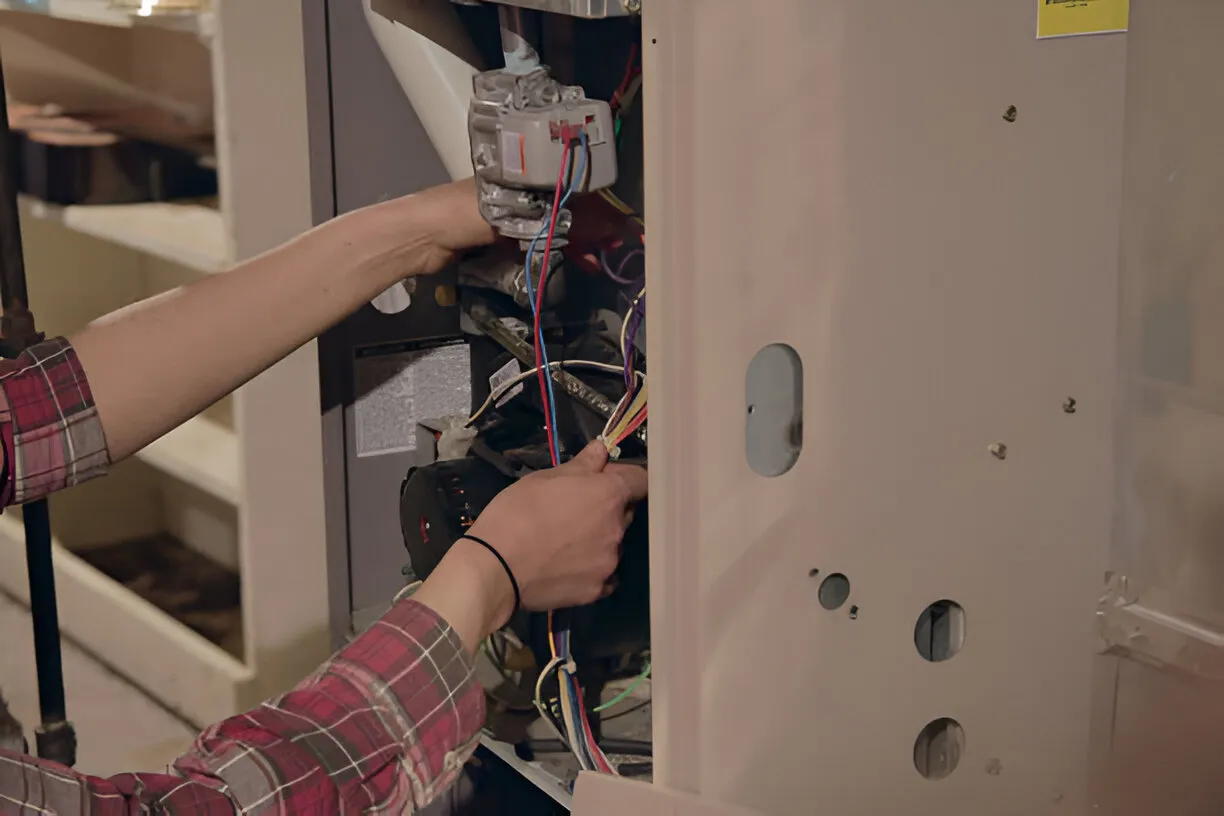
Why replace your furnace now
- Frequent breakdowns, rising repair costs, or unpredictable performance during cold weather are strong signs replacement is more economical than repair.
- Older furnaces (typically 15+ years) often operate at 70 to 80 percent AFUE or lower; modern high-efficiency furnaces reach 95 percent AFUE or higher, cutting fuel use and improving comfort.
- Safety risks: cracked heat exchangers and combustion venting problems become more likely with age and should prompt evaluation and replacement if necessary.
- Home value and comfort: a new furnace can improve indoor air quality, reduce noise, and increase overall home comfort — useful for older Lancaster houses with higher heat loss.
Common furnace problems in Lancaster homes
- Short cycling or frequent on/off cycles
- Uneven heating between rooms or floors
- Rising heating bills despite regular maintenance
- Visible rust, corrosion, or signs of combustion leaks
- Inconsistent ignition or blower failures
- Old units incompatible with modern thermostats or zoning systems
Evaluation and diagnostic process
A proper furnace replacement begins with a thorough evaluation:
- Visual inspection of the furnace, flue/venting, and surrounding area for corrosion, soot, or blockages.
- Combustion analysis and safety checks to identify cracked heat exchangers or ventilation issues.
- Review of past repair history and current operating costs to estimate remaining life and cost-benefit of replacement.
- Measurement of existing ductwork condition and airflow to determine if duct repairs or modifications are needed for optimal performance.
- A load calculation (Manual J) to size the new furnace correctly based on your Lancaster home’s square footage, insulation, window types, and local climate.
Sizing and compatibility
Correct sizing is essential. Oversized furnaces short cycle and underperform; undersized units struggle on the coldest days. Key considerations:
- Manual J load calculation rather than rule-of-thumb sizing
- Ductwork condition and any leakage or undersized returns that affect airflow
- Fuel type availability in Lancaster: natural gas is common, but propane or electric options may be considered where applicable
- Venting requirements: atmospheric, power vent, or direct vent depending on model and home layout
- Thermostat compatibility: modern modulating or two-stage furnaces often pair best with communicating or smart thermostats
Recommended energy-efficient furnace features
- High AFUE rating (95 percent and above) for maximum fuel efficiency
- Two-stage or modulating gas valves for steadier heat and improved comfort
- Variable-speed ECM blower motors for quieter operation and better humidity control
- Condensing furnaces (if venting and drainage permit) to capture additional heat from combustion gases
- Compatibility with zoning systems and modern thermostats to reduce wasted heat
Removal and disposal of the old furnace
- Professional disconnect of gas, electrical, and venting systems to code
- Safe removal of the old unit and responsible disposal or recycling of parts
- Inspection and repair or sealing of venting, flue, and nearby framing as needed
- If older materials of concern (for example, questionable pipe insulation) are found, proper abatement steps will be taken in accordance with code and safety standards
Installation steps (what to expect)
- Final measurements and confirmation of model and venting plan
- Preparation of the installation area, including any required platforming, framing, or vent modifications
- Connection of fuel and electrical supplies with code-compliant piping and wiring
- Duct transitions and sealing to ensure proper airflow and efficiency
- Commissioning and initial tuning: combustion analysis, airflow balancing, thermostat setup, and system testing across operating modes
- Walkthrough of basic operation, filter access, and maintenance intervals
Warranty and maintenance recommendations
- Manufacturer warranties vary; typical parts warranties run 5 to 10 years, with extended warranties available on some components. Labor warranties cover installation defects for a set period and may be offered by the installer.
- Annual preventive maintenance is strongly recommended for furnace longevity and consistent efficiency. A maintenance plan should include inspection of ignition components, heat exchanger checks, burner tuning, airflow measurement, and filter checks.
- Regular filter changes and keeping combustion air intake and vents clear will help maintain efficiency and safety.
Financing options and incentives
- Many homeowners use flexible financing to spread the investment over time; options can include low-interest loans or payment plans.
- Utility rebates, local incentives, and occasional state or federal incentive programs may be available for high-efficiency equipment or complementary measures like duct sealing. Availability varies, so homeowners should check current local programs when planning a replacement.
Projected energy savings
- Example ranges: upgrading from a 70 to 80 percent AFUE unit to a 95 percent AFUE unit typically reduces annual heating fuel use by 15 to 30 percent, depending on home tightness and local climate severity.
- Practical example: if a Lancaster household currently spends $1,200 per year on natural gas heating, a modern high-efficiency furnace could reduce that to approximately $840 to $1,020 per year, producing yearly savings in the range of $180 to $360. Actual savings vary with energy prices, thermostat settings, insulation levels, and usage patterns.
Long-term benefits and maintenance tips
- Enhanced comfort with more even temperatures and reduced cold spots
- Lower operating costs and reduced environmental footprint
- Quieter operation and improved indoor air quality when paired with proper filtration and duct sealing
- Recommended homeowner actions: change filters regularly, schedule an annual tune-up before the heating season, keep vents and returns unobstructed, and address any ductwork issues identified during installation.
Replacing a furnace in Lancaster, OH is both a safety and efficiency decision. A properly evaluated and installed high-efficiency furnace matched to your home’s size and ductwork will deliver reliable heat through cold Ohio winters, predictable operating costs, and improved comfort year after year.
Hot Deals & Cool Savings

.webp)
New Service Agreement Membership
.webp)
Any New Client Service
Next Service for Referring a New Client
New Service Agreement Membership
Any New Client Service
Next Service for Referring a New Client
.webp)
.webp)

Service Areas
