
Heating Maintenance in Columbus, OH
Heating maintenance in Columbus helps improve efficiency. Enroll for priority service today.

Heating Maintenance in Columbus, OH
Keeping your heating system running reliably through Columbus winters requires more than reactive repairs. A structured heating maintenance program prevents unexpected breakdowns, improves efficiency, and protects indoor comfort for homes across Columbus neighborhoods from Victorian Bexley to the slab ranches in Westerville.
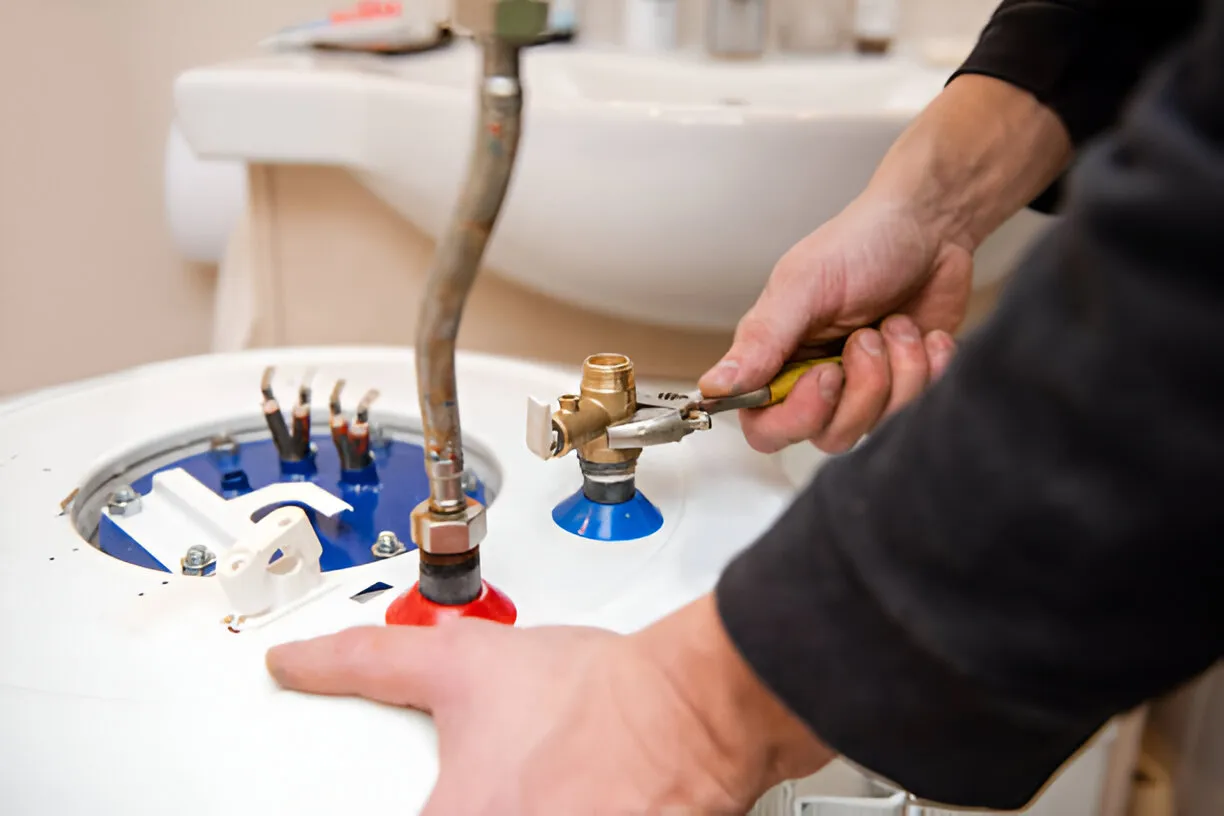
Why proactive heating maintenance matters in Columbus, OH
Columbus winters bring prolonged cold spells, freeze-thaw cycles, and occasional ice that put extra strain on furnaces, boilers, and heat pumps. Older homes around downtown and university areas often house aging equipment or older ductwork that leaks heat. Regular maintenance reduces failure risk at the worst possible time, helps avoid costly mid-winter emergency repairs, and stabilizes energy use during high heating demand months.
Common heating problems in Columbus homes
- Clogged or dirty air filters reducing airflow and forcing the system to work harder
- Ignition and pilot control issues on gas furnaces after long summer downtime
- Worn belts, bearings, or motors causing noise or inefficiency in older systems
- Flue or vent blockages and degraded seals that reduce safety and performance
- Uneven heating due to duct leaks, disconnected vents, or poor thermostat calibration
- Low boiler pressure, stuck zone valves, or air in hydronic lines in homes with radiators
- Heat pump performance degradation during rapid temperature swings
What each scheduled inspection and preventive visit includes
Every visit is designed to catch issues before they become failures. Typical tasks performed during a heating maintenance visit:
- Visual system and safety inspection of furnace, boiler, or heat pump components
- Replace or clean primary air filter and inspect secondary filters and pleated media if present
- Clean burners, electrodes, or ignition assemblies and verify proper ignition behavior
- Check heat exchanger, flue, and venting for cracks, corrosion, or blockages (safety check)
- Verify thermostat operation and recalibrate settings for accurate temperature control
- Lubricate motors, bearings, and moving parts where applicable
- Inspect belts and pulleys and replace if worn (when included in plan)
- Measure system pressures, combustion efficiency, and gas connections for leaks (when applicable)
- Test safety controls, limit switches, and emergency shutoffs
- Inspect ductwork accessibility points for obvious leaks or disconnections
- For boilers: check water pressure, expansion tank, and bleed radiators as needed
- For heat pumps or hybrid systems: check refrigerant lines, defrost cycles, and reversing valves
Each visit concludes with a clear service report noting findings, any recommended repairs, and the technician’s priority recommendations.
How inspections diagnose problems (in plain language)
Technicians use a combination of visual checks, basic measurements, and runtime observations to find symptoms early. For example, reduced airflow plus a dirty filter suggests restricted return air; unusual noises plus loose pulleys point to mechanical wear; and a subtle change in combustion readings can indicate an inefficient burn that raises safety concerns. Diagnosing at this level avoids emergency breakdowns and lets you plan repairs on your schedule.
Priority service, emergency coverage, and repair discounts
A comprehensive maintenance plan for Columbus homeowners typically includes priority scheduling during peak cold weather, 24-hour emergency dispatch coverage, and discounts on repair labor and parts. These benefits mean:
- Faster response times when a heating system fails in severe weather
- Reduced out-of-pocket cost for repairs through plan discounts (example: 15% discount on service calls and repairs as a common plan feature)
- Peace of mind knowing emergency calls route ahead of non-members in busy periods
Emergency coverage also covers after-hours troubleshooting and guidance to minimize risk until a technician arrives.
How regular maintenance extends equipment life and lowers utility bills
- Improved efficiency: Clean components and properly tuned systems deliver heat with less fuel or electricity, often reducing heating costs by up to 10 to 15 percent compared with neglected systems.
- Reduced wear and tear: Preventive lubrication, belt replacement, and filter changes lower stress on motors and heat exchangers, extending service life by years.
- Fewer breakdowns: Early detection of weak parts prevents catastrophic failures that require major replacement.
- Safer operation: Regular safety checks reduce the risk of carbon monoxide leaks or flue-related problems that can compromise indoor air quality.
Over the life of your furnace or boiler, routine maintenance typically pays for itself through lower energy bills and fewer emergency repairs.
Maintenance plan options and recommended frequency
- Annual heating tune-up: Ideal for households with a dedicated furnace or boiler used mainly for winter heat. Schedule in early fall to be ready for cold weather.
- Biannual service (combined heat and cooling): Recommended for homes that use the same equipment year-round or that prefer a spring and fall check to cover both AC and heating seasons.
- Comprehensive membership: Includes scheduled inspections, priority emergency response, repair discounts, and other perks like diagnostic fee waivers or installation estimates.
Most Columbus homes benefit from at least one pre-winter inspection; older equipment or homes with known issues often need biannual attention.
How to enroll in a heating maintenance program (what to expect)
To enroll you will go through a simple process designed to get your system covered and scheduled:
- Choose the plan level that fits your needs - single heating system or combined heat and cooling coverage.
- Provide basic information about your home and your heating equipment - make, model, age, and last service date. This helps technicians prepare for the first visit.
- Select an initial inspection window and supply any access instructions for basements or locked utility closets.
- Set your preferred billing method and receive paperwork outlining plan terms, discounts, and emergency response details.
- Receive scheduled appointment reminders and annual or semi-annual service dates. After the first inspection, you will get a written report and a recommended maintenance timeline.
Bring the model and serial number (if available) before the first visit to speed up diagnostics and parts identification. If you live in a multi-unit or older home, note unusual layout or access restrictions so the technician can plan accordingly.
Hot Deals & Cool Savings

.webp)
New Service Agreement Membership
.webp)
Any New Client Service
Next Service for Referring a New Client
New Service Agreement Membership
Any New Client Service
Next Service for Referring a New Client
.webp)
.webp)

Service Areas
