
Water Heater Repair in Columbus, OH
Water heater repair in Columbus, OH, experts diagnose leaks, pilot issues, and heating element failures to restore hot water. Learn more.

Water Heater Repair in Columbus, OH
When your water heater fails, it disrupts everyday life fast. Water Heater Repair in Columbus, OH focuses on diagnosing and fixing the problems that matter most: leaks, lack of hot water, strange noises, pilot or heating element failures, and safety issues. Columbus homes face specific challenges like hard water buildup and colder winter demands that accelerate wear, so prompt, knowledgeable repairs help restore comfort and protect your plumbing investment.
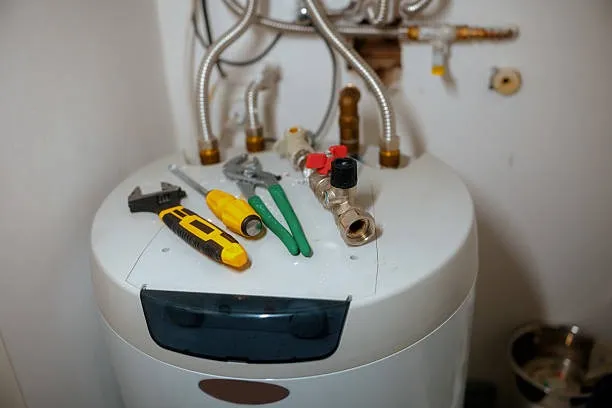
Common water heater problems in Columbus
Homeowners in Columbus commonly call for these issues:
- No hot water or inconsistent temperature: Often caused by failed thermostats, burned-out heating elements (electric), pilot or gas control failures (gas units), or sediment insulating heating surfaces.
- Leaks or visible corrosion: Leaks can come from plumbing connections, the temperature and pressure (T&P) relief valve, the drain valve, or from a corroded tank.
- Strange noises: Popping, rumbling, or banging usually point to sediment buildup under the tank heating area, causing uneven heating and stress on the unit.
- Slow hot water recovery: Age, sediment, or a failing dip tube can reduce how quickly a tank replenishes hot water.
- Pilot light or ignition issues (gas units): A failing thermocouple, clogged pilot orifice, or gas control valve problems can prevent ignition.
- Electrical failures (electric units): Tripped breakers, failed elements, or bad thermostats lead to loss of heating.
- Pressure or safety concerns: T&P valve malfunctions or blocked vents that can create unsafe operating conditions.
Diagnostic process: how problems are identified
A thorough diagnostic is the foundation of an accurate repair. Typical steps include:
- Visual inspection of the tank, connections, and venting to spot leaks, corrosion, or improper installations.
- Checking the power source: confirming gas supply and proper venting for gas units, and verifying correct voltage and breaker condition for electric units.
- Testing thermostats, heating elements, thermocouples, and gas control valves with meters to pinpoint failures.
- Assessing the T&P relief valve and drain valve for operation and signs of leakage.
- Inspecting for sediment and measuring water quality indicators that contribute to wear, such as hardness and mineral buildup.
- Performing a controlled flush to evaluate sediment levels and to test for improvement in operation.
Diagnostics typically take under an hour for straightforward problems and longer when access, water quality, or safety checks require extra attention.
Repairs and parts commonly replaced
After diagnosis, repairs may range from component fixes to full tank replacement. Common repairs and parts include:
- Thermostat replacement (electric): Restores accurate temperature control.
- Heating element replacement (electric): Replaces burned-out elements that stop heating water.
- Thermocouple or pilot assembly (gas): Fixes ignition and pilot stability issues.
- Gas control valve or gas valve assembly (gas): Addresses control and safety shutdown problems.
- Temperature and pressure relief (T&P) valve: Replaced when leaking or failing to relieve pressure safely.
- Dip tube: Restores proper cold-water delivery to the tank bottom for consistent heating.
- Anode rod replacement: Protects the tank from corrosion and extends service life.
- Drain valve replacement and tank flushing: Removes sediment causing noises and inefficiency.
- Tank replacement: Recommended when the tank is corroded, leaking internally, or past expected service life.
Parts replaced are typically manufacturer-approved components. For older models, sometimes replacement parts are unavailable, and a full tank replacement becomes the more durable solution.
Emergency repair availability and safety checks
Emergency water heater repair in Columbus is often necessary for active leaks, loss of hot water in key fixtures, or suspected gas leaks and venting failures. Emergency response commonly includes:
- Rapid assessment to determine immediate hazards.
- Emergency shutoff of gas or power when leaks or unsafe conditions are detected.
- Temporary measures to limit water damage and restore minimal hot water where possible.
Essential safety checks performed during any repair include verifying proper gas pressure and ventilation, testing for carbon monoxide risk with gas appliances, ensuring electrical disconnects are safe, and confirming the T&P valve and pressure conditions are within safe limits.
Typical timelines and what to expect
- Diagnostic visit: Usually completed within 30 to 60 minutes for common issues.
- Minor repairs: Replacing thermostats, heating elements, or thermocouples can often be completed in one visit, commonly within 1 to 3 hours depending on access and part availability.
- Component replacements requiring special order: If parts must be ordered, repairs may extend to the next business day or longer.
- Full tank replacement: A full replacement is frequently completed in one day when a replacement unit is available and installation access is straightforward.
Columbus winters, high seasonal demand, or hard water-related maintenance needs may affect scheduling and parts availability, so expect slightly longer lead times during peak periods.
Warranty and parts information
- Manufacturer parts typically carry their own warranties which vary by brand and model age. Common parts warranties range from limited coverage for specific components to multi-year coverage for major components.
- Workmanship warranties for repairs may cover labor for a specified time following service and vary by service provider. It is standard to receive documentation of parts installed and any applicable manufacturer warranties after a repair.
Preventive maintenance to reduce future breakdowns
Regular maintenance extends the life of water heaters and reduces emergency repairs. Recommended preventive measures for Columbus homes:
- Annual flush: Flushing the tank yearly helps remove sediment that causes noise, reduces efficiency, and accelerates corrosion.
- Inspect and replace the anode rod every 1 to 5 years: Anode rods reduce tank corrosion and are inexpensive compared to tank replacement.
- Check the T&P relief valve annually: Ensure it operates freely and is not leaking.
- Lower thermostat to 120 F: Reduces scald risk, energy use, and stress on components.
- Install a water softener or tank treatment if you have hard water: Columbus area water can contribute to mineral buildup; softening treatments reduce sediment and extend component life.
- Insulate exposed pipes and the tank: Helps reduce standby heat loss during cold months.
- Schedule routine professional inspections: A yearly service visit can catch small issues before they become failures.
Maintenance tailored to local water chemistry and seasonal demand in Columbus increases reliability and can delay the need for replacement.
Hot Deals & Cool Savings

.webp)
New Service Agreement Membership
.webp)
Any New Client Service
Next Service for Referring a New Client
New Service Agreement Membership
Any New Client Service
Next Service for Referring a New Client
.webp)
.webp)

Service Areas
