
Furnace Tune-Up in Columbus, OH
Columbus furnace tune-up service improves efficiency, reliability, and safety. Schedule a professional tune-up in Columbus, OH for safer, more comfortable winters.

Furnace Tune Up in Columbus, OH
A furnace tune up in Columbus, OH is the most effective way to improve winter comfort, reduce energy use, and prevent midseason breakdowns. Columbus homes face cold winters, frequent temperature swings in fall and spring, and a mix of older and newer furnace technologies. That combination makes an annual professional tune up essential: it restores safe combustion, optimizes performance, and identifies small problems before they become emergency repairs.
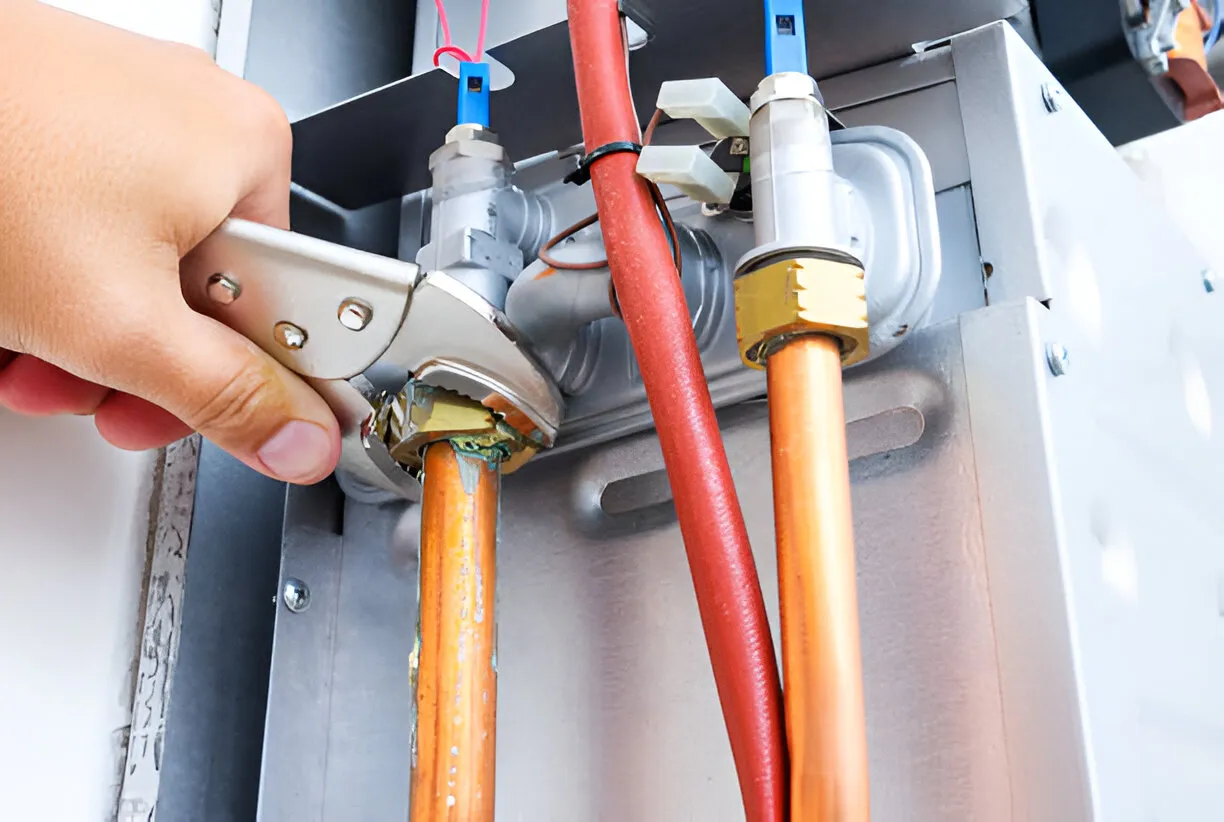
What a furnace tune up covers
A thorough tune up inspects, adjusts, and tests every major component that affects safety, efficiency, and reliability. Typical items included:
- Air filter check and replacement recommendation — dirty filters reduce airflow and strain the blower.
- Burner and ignition inspection — burners are cleaned and adjusted and ignition systems (hot surface ignitors or pilot assemblies) are verified for reliable start-up.
- Combustion and safety controls — flame sensors, limit switches, pressure switches, and rollout/safety devices are tested for proper operation.
- Flue and venting inspection — the flue, chimney connection, and vent terminations are checked for leaks, blockages, and correct draft to reduce carbon monoxide risk.
- Blower motor and belts — blower function and motor health are evaluated; belts and bearings are checked and lubricated if applicable.
- Airflow and ductwork assessment — supply and return airflow are checked and ducts are inspected for obvious leaks or disconnections that cause uneven heating.
- Thermostat calibration — thermostat operation and calibration are confirmed to ensure accurate temperature control.
- Condensate and drainage (high-efficiency units) — condensate lines, traps, and pumps are checked and cleared to prevent backups and system shutdowns.
- Performance testing — temperature rise across the heat exchanger and overall system operation are measured to confirm safe and efficient heat delivery.
- Written recommendations — technicians note observations and recommend repairs or replacement options prioritized by safety and impact on efficiency.
Common furnace tune up issues in Columbus homes
Columbus-area houses often show recurring themes during tune ups because of local climate and building types:
- Dirty filters and restricted airflow from pollen and fall leaf debris lead to poor heating and higher bills.
- Cracked heat exchangers in older furnaces due to thermal stress, which is a safety concern and needs prioritized evaluation.
- Pilot or ignition failures after long off-seasons, especially in homes that switch between heating sources.
- Venting problems in homes with mixed renovations or added appliances that affect draft and combustion air.
- Poor distribution or cold spots in homes with undersized or leaky ducts, common in older Columbus rowhouses and older ranch-style homes.
- Condensate drainage clogs on high-efficiency units, especially after periods of low use.
How diagnostics and performance testing work
A tune up is more than visual checks. Performance tests provide objective measures of system health:
- Temperature rise measurement — comparing return air to supply air verifies the furnace is producing the right heat for its rating.
- Combustion analysis (when applicable) — measuring combustion gases helps confirm burners are tuned to proper air-to-fuel ratios and that carbon monoxide levels are within safe limits.
- Electrical checks — voltage and amperage at the blower and motors identify failing components before they lock up.
- Static pressure and airflow checks — basic airflow tests surface issues due to dirty coils, filters, or duct restrictions.
- Visual inspection of the heat exchanger and venting — technicians look for rust, cracks, or loose connections that can compromise safety.
These diagnostics help a technician recommend the most cost-effective next steps: a small repair, a parts replacement, or in some cases, a complete system replacement if the unit is near end-of-life or unsafe to operate.
Typical repairs and replacement recommendations
After a tune up, common repair suggestions include:
- Replacing worn air filters and cleaning the filter housing and blower wheel to restore airflow.
- Cleaning and adjusting burners or replacing ignition components to improve start reliability.
- Replacing failed sensors, limit switches, or the motor if electrical testing indicates failure.
- Repairing or sealing duct leaks in accessible plenums and recommending further duct services where needed.
- Addressing venting issues such as blocked terminations or poorly pitched flue sections.
- Recommending furnace replacement when repair costs exceed a sensible threshold for older units or when safety issues like a cracked heat exchanger are present.
Technicians will typically prioritize safety-related repairs first, followed by items that most improve efficiency and reliability.
Benefits of scheduling regular furnace tune ups
An annual professional tune up delivers measurable benefits tailored to Columbus homeowners:
- Improved efficiency and lower energy costs — a properly tuned furnace uses less fuel to achieve the same comfort.
- Increased reliability during cold snaps — pre-season checks reduce the risk of inconvenient breakdowns on frigid nights.
- Longer equipment life — routine maintenance reduces wear and prolongs service life of expensive components.
- Safer operation — combustion testing and vent inspections reduce carbon monoxide risk and identify heat exchanger issues.
- Consistent comfort — optimized airflow and calibrated thermostats help eliminate cold spots and short cycling.
- Preserved warranty coverage — many manufacturers require routine maintenance to keep warranties valid.
When to schedule and what to expect in Columbus
Fall is the ideal time for a tune up in Columbus, before sustained heating demand begins. Scheduling before the first cold spell typically gives homeowners better appointment availability and ensures the furnace is ready for winter. In neighborhoods with older systems or homes that run the furnace year-round for humidity control, an annual schedule is still recommended.
On the day of service expect:
- A walk-through and explanation of the technician’s findings in clear, non-technical language.
- A documented checklist of inspection items and any measured values (temperature rise, notes on airflow, combustion readings when performed).
- Clear, prioritized recommendations if repairs or replacements are needed.
Many homeowners enroll in annual maintenance agreements that schedule service visits, keep records of past tune ups, and provide reminders for future maintenance. These plans help keep systems tuned year after year without the guesswork.
Practical maintenance tips for Columbus homeowners
Between professional tune ups, these simple steps help maintain furnace performance:
- Replace or clean filters every 1 to 3 months during use; check more often if you have pets or allergies.
- Keep vents and returns clear of furniture, curtains, and obstructions.
- Seal obvious duct leaks in accessible areas with appropriate foil tape or mastic.
- Ensure exterior vent terminations are free of debris and not blocked by winter snow.
- Install and routinely test carbon monoxide detectors centrally in the home and near sleeping areas.
A furnace tune up in Columbus, OH is an investment in comfort, safety, and predictable heating costs. Annual professional service catches small problems, restores efficiency lost to wear and dirt, and gives homeowners a clear plan for repairs or replacement when needed.
Hot Deals & Cool Savings

.webp)
New Service Agreement Membership
.webp)
Any New Client Service
Next Service for Referring a New Client
New Service Agreement Membership
Any New Client Service
Next Service for Referring a New Client
.webp)
.webp)

Service Areas
