
AC Repair in Columbus, OH
Air Conditioning Repair in Columbus, OH: fast diagnostics, clear estimates, warranty-backed parts, and tips to minimize downtime. Schedule service now.

Air Conditioning Repair in Columbus, OH
A working air conditioner is essential for Columbus homes during hot, humid summers. When your AC fails, it can be uncomfortable, costly, and sometimes unsafe — especially during multi-day heat waves.
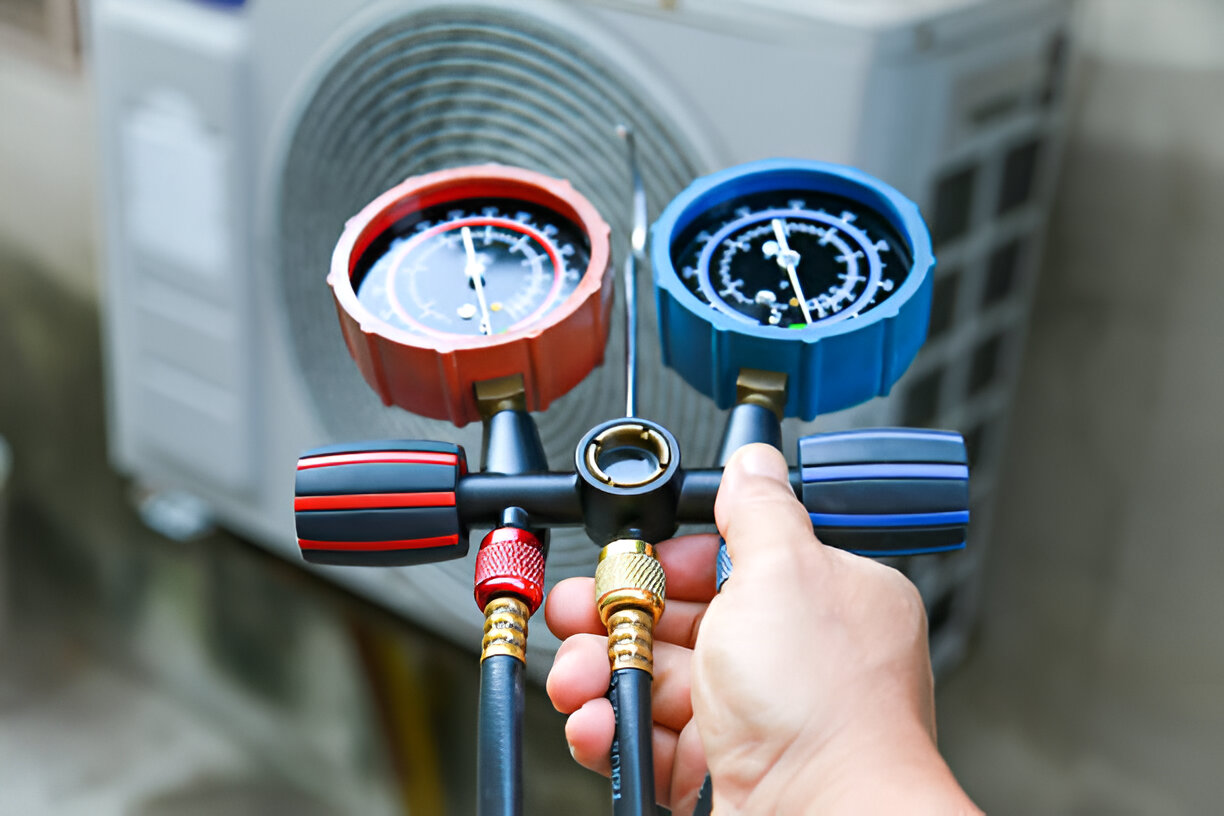
Common AC repair issues in Columbus, OH
Columbus weather and older home systems create predictable failure patterns. These are the most common AC repair issues you will see in the area and the signs to watch for:
- Compressor failure
- Signs: Unit won’t cool, outdoor unit humming but not cycling, unusual loud noises.
- Why it happens: Age, overheating from restricted airflow, electrical stress after storms, or loss of refrigerant causing the compressor to work harder.
- Refrigerant leaks
- Signs: Gradual loss of cooling, ice buildup on evaporator coil, higher energy bills.
- Why it happens: Corrosion on copper lines, failed fittings, or damage during prior service. Columbus humidity can mask symptoms until performance drops.
- Electrical issues (capacitors, contactors, breakers)
- Signs: Intermittent operation, unit won’t start, clicking sounds, tripped breakers.
- Why it happens: Power surges during summer storms, worn components, loose wiring, or failed control boards.
- Airflow problems (dirty filters, blower motor, duct issues)
- Signs: Weak airflow from vents, uneven cooling in rooms, frozen coils.
- Why it happens: Neglected filters, blocked return registers, failing blower motors, or leaky, poorly insulated ducts common in older Columbus homes.
- Thermostat and control problems
- Signs: Incorrect temperature readings, short cycling, or system not responding to settings.
- Why it happens: Faulty thermostats, calibration drift, or wiring issues.
- Drainage and condensate issues
- Signs: Water leaks around the indoor unit, high humidity indoors.
- Why it happens: Clogged condensate drains or pans, especially problematic when pollen and seasonal debris are high.
Diagnostic and troubleshooting process
A clear, methodical diagnostic process reduces unnecessary repairs and helps you make an informed decision. Typical steps include:
- Initial system inspection
- Visual check of the outdoor unit, indoor components, air filters, and thermostat settings.
2. Electrical and system power checks
- Verify voltage, capacitors, contactors, breakers, and safety switches to isolate electrical faults.
3. Refrigerant and pressure testing
- Measure refrigerant pressures and temperatures to detect leaks or undercharge/overcharge conditions.
4. Airflow and duct assessment
- Evaluate blower function, measured CFM when needed, filter condition, and return/ supply duct leaks.
5. Leak detection and component testing
- Use electronic leak detectors or UV dye when refrigerant loss is suspected; test motors, compressors, and controls.
6. Performance verification
- Run the system through a cooling cycle, measure return/ supply temps, and confirm proper operation before documenting findings.
After diagnostics, you should receive a written repair recommendation or estimate that explains the problem, the parts needed, labor involved, and options if replacement is advisable.
Emergency response and arrival expectations
During peak summer heat, fast response matters. Typical service tiers clients can expect:
- Standard repair calls
- Often scheduled within 24 to 48 hours, with a defined arrival window (for planning).
- Priority or emergency repairs
- In extreme heat or when vulnerable occupants are affected, many providers prioritize emergency calls and aim for same-day service or arrival within a few hours depending on call volume and staffing.
- What technicians bring
- Technicians usually arrive with diagnostic tools and common replacement parts: capacitors, contactors, filters, and refrigerant gauges. If specialized parts are required, they will provide a timeline for parts procurement and complete repairs as soon as parts arrive.
Expect clear communication about ETA, estimated repair duration, and whether a temporary fix is recommended to restore cooling quickly.
Pricing structures and parts/warranty policies
Understanding how repair costs are presented helps remove surprises:
- Flat-rate vs estimate-based pricing
- Flat-rate pricing is common for standard repairs (e.g., replacing capacitors or contactors). More complex issues that require time-consuming diagnostics may be billed as estimate-based with a diagnostic fee that is often applied to the repair cost if you proceed.
- Written estimates
- A reliable repair provider will give a written estimate outlining parts, labor, and any applicable taxes before starting work.
- Parts and warranty
- Parts typically carry a manufacturer warranty (ranges vary: short-term 90 days up to multi-year for major components). Labor warranties are commonly offered for a set period after repair. If aftermarket parts are used, expect disclosure and differing warranty terms.
- Diagnostic fee and allowance
- Diagnostic fees are standard; many companies apply that fee toward the repair if you authorize the work the same day. Ask how warranty coverage applies to both parts and labor for clarity.
Tips to minimize downtime and extend system life
Preventive steps significantly reduce emergency repairs and extend equipment life — especially important in Columbus’s climate:
- Enroll in an annual maintenance plan
- Seasonal tune-ups catch small issues early, maintain efficiency, and extend component life.
- Change filters regularly
- In humid months, replace or clean filters every 1 to 3 months to prevent airflow restriction and coil freezing.
- Keep the condenser clear
- Trim vegetation, remove debris, and keep the area around the outdoor unit free for airflow.
- Shade and protect the outdoor unit
- Shade can improve efficiency; avoid blocking airflow and do not place large objects near the unit.
- Install surge protection
- Power surges from thunderstorms can damage electrical components. Whole-home surge protection reduces this risk.
- Address humidity and drainage
- Ensure condensate lines are clear and consider a secondary safety switch in areas prone to backups.
- Plan repairs before peak season
- Schedule service in spring or fall when technicians are more available and parts are easier to obtain.
Why prompt AC repair matters in Columbus, OH
Timely repair restores comfort, prevents secondary damage (frozen coils, compressor burnout), lowers energy costs, and preserves indoor air quality. For Columbus residents, where summers can swing from muggy to extreme heat quickly, addressing AC problems early keeps your home safe and comfortable while avoiding more extensive replacement costs down the road.
If you need dependable information during the repair process, look for transparent diagnostics, clear written estimates, and a documented parts and labor warranty so you understand exactly what was repaired and how long coverage lasts.
Hot Deals & Cool Savings

.webp)
New Service Agreement Membership
.webp)
Any New Client Service
Next Service for Referring a New Client
New Service Agreement Membership
Any New Client Service
Next Service for Referring a New Client
.webp)
.webp)

Service Areas
