
Whole House Air Purifiers in Columbus, OH
Whole-House Air Purifiers installation in Columbus, OH improves indoor air quality across your home. Learn more and schedule a professional evaluation today.

Whole House Air Purifiers in Columbus, OH
Whole-house air purifiers in Columbus, OH are a practical upgrade for homeowners who want consistent, home-wide improvement in indoor air quality. With Columbus’ seasonal pollen, humid summer months that encourage mold growth, wintertime indoor pollutant buildup, and periodic regional smoke events, a properly designed whole-house system that integrates with your existing HVAC can reduce allergens, odors, fine particles, and volatile organic compounds throughout your home.
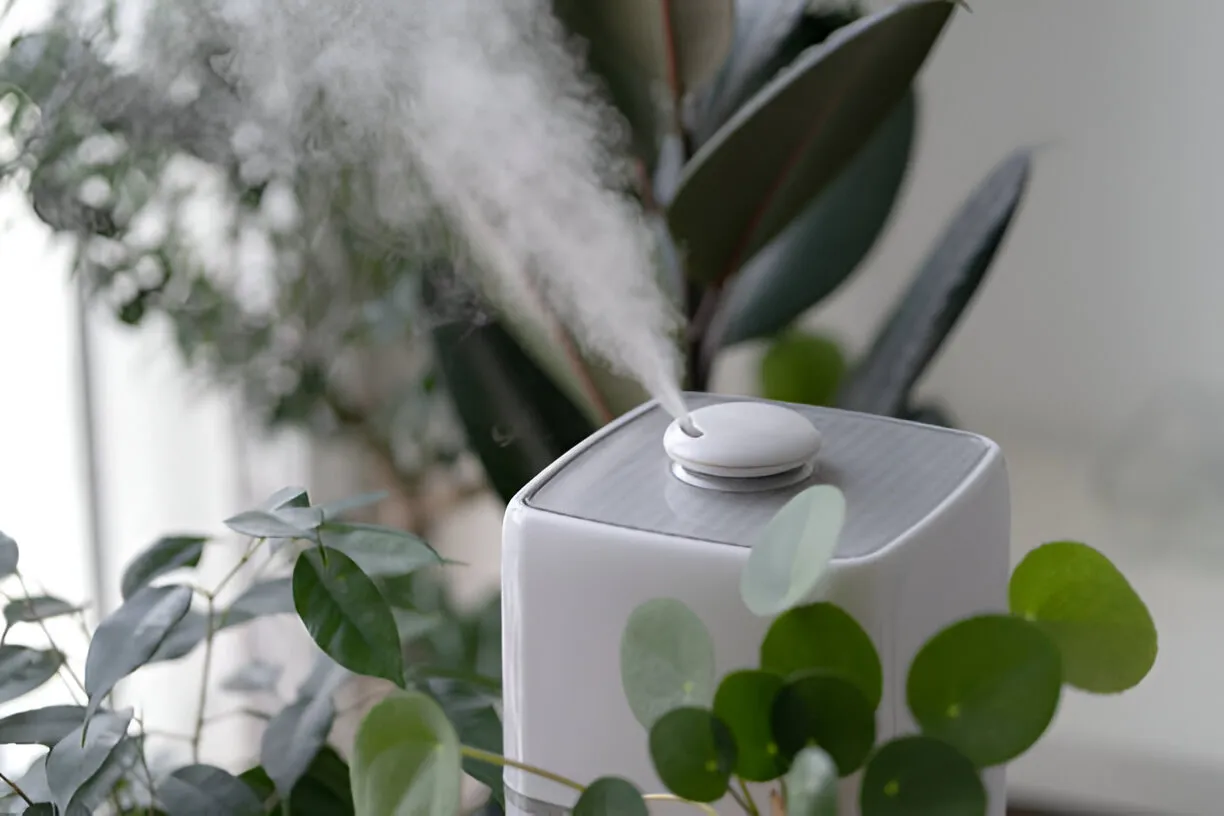
Why choose a whole-house system for Columbus homes
- Local pollen season (trees and grasses) and urban vehicle exhaust make airborne allergens and fine particles common in Columbus neighborhoods.
- Summer humidity and older basements increase mold and mildew spore loads indoors.
- Central HVAC-based solutions treat all living spaces at once, preventing contaminant migration between rooms and offering maintenance simplicity versus multiple portable units.
- When sized and installed correctly, whole-house purifiers work with your heating and cooling system to deliver continuous filtration without moving or plugging in portable devices.
Common whole-house air purifiers issues in Columbus
- Reduced HVAC airflow or higher energy use after adding high-efficiency filters or in-duct HEPA without accounting for pressure drop.
- Improper sizing leading to inadequate air changes and uneven pollutant removal.
- Neglected maintenance: dirty prefilters, saturated carbon, or fouled electronic cells that lower performance.
- Underestimating local seasonal impacts like spring pollen or summer mold, resulting in more frequent filter replacement than expected.
Technologies and how they compare
- True HEPA (in-duct or dedicated bypass units): Captures 99.97% of particles 0.3 microns and larger. Best for particle removal (pollen, dust, pet dander, smoke). In-duct HEPA often requires a dedicated blower or bypass assembly because HEPA media increases system pressure.
- High-MERV media (MERV 11–13): Compatible with many central HVAC systems and captures a high percentage of fine particles with less pressure drop than HEPA. Often the balanced choice for retrofits where HVAC capacity is limited.
- Activated carbon: Adsorbs odors and many VOCs (cleaning solvents, cooking smells, smoke). Carbon is used as a separate stage because it does not remove particles.
- Electronic precipitators and electrostatic filters: Charge particles and collect them on plates. Effective for fine particles and reusable, but require regular cleaning and, in some designs, can produce small amounts of ozone—choose certified low-ozone models.
- UV germicidal lamps: Target biological contaminants on coils and in ducts (mold, bacteria). Best used as a supplement, not a replacement for particle filtration.
- Hybrid systems: Combine media filtration, carbon, UV, or ionization for broader coverage. Selection depends on specific indoor pollution concerns.
Sizing and selection guidance
- Goal: balance filtration efficiency with sufficient airflow. Overly restrictive filters can reduce system airflow and comfort or stress HVAC equipment.
- Use air changes per hour (ACH) to estimate needs: for general improvement, target at least 1–2 ACH for whole-house filtration; households with asthma or severe allergies may require higher exchange rates or dedicated whole-house units.
- Simple sizing formula (illustrative): Required CFM = (Home volume in cubic feet × desired ACH) / 60. Example: a 2,000 sq ft home with 8 ft ceilings = 16,000 cu ft. For 1 ACH: 16,000 / 60 ≈ 267 CFM.
- Check your furnace/air handler capacity: central systems commonly provide about 350–450 CFM per ton of cooling. Adding a high-efficiency in-duct HEPA may require a separate fan/blower to maintain proper CFM without harming HVAC equipment.
- If you cannot add HEPA directly to the duct due to pressure concerns, consider a whole-house bypass HEPA cabinet or a higher-MERV in-duct filter plus carbon stage.
Professional installation steps
- Site assessment: inspect existing HVAC capacity, ductwork condition, leakiness, and typical pollutant sources (pets, smokers, occupants with allergies).
- System recommendation: choose media/MERV/HEPA, carbon, UV, or hybrid options based on pollutants and HVAC constraints.
- Ductwork and airflow modifications: repair leaks, add a bypass or dedicated air handler if required, and ensure correct static pressure balance.
- Electrical/mechanical installation: mount in-duct units, install wiring for blowers or UV lamps, and integrate controls with the thermostat or an IAQ controller.
- Commissioning and testing: measure static pressure, CFM, and verify proper installation. Pre- and post-installation particle counts or VOC tests can quantify improvement.
- Owner orientation: explain maintenance schedule, how to read pressure indicators or change filters, and when to schedule professional service.
Maintenance and filter lifetimes
- Prefilters (MERV 6–8): typically changed every 1–3 months depending on dust load and seasonal pollen — in Columbus, expect shorter intervals during spring pollen and wildfire smoke months.
- High-MERV media filters: commonly replaced every 3–6 months.
- In-duct HEPA cartridges: replacement frequency varies (6–12 months typical) and depends on household pollutant levels and system runtime.
- Activated carbon cartridges: 3–12 months depending on VOC/odor load.
- Electronic precipitators: cleaning of collection plates monthly to quarterly; performance declines if neglected.
- UV lamps: usually replaced annually to maintain germicidal output.
- Annual professional check: verify static pressure, clean coils, inspect ductwork and electrical connections.
Expected air-quality improvements and health benefits
- Significant reduction in common particles: pollen, dust, pet dander, and smoke particulates (including PM2.5) when appropriate filtration is used.
- Odor and VOC reduction with carbon stages, useful in older Columbus homes or for households with strong cooking odors or smoking.
- Lower indoor allergen exposure can reduce symptoms for allergy and asthma sufferers. While not a medical cure, improved IAQ often correlates with fewer nighttime symptoms and less reliance on symptomatic measures.
- Continuous whole-house filtration prevents pollutant migration between rooms and maintains more consistent air quality than single-room purifiers.
Financing and upgrade pathways
- Homeowners commonly upgrade incrementally: start with a high-MERV in-duct filter and add activated carbon, then add HEPA or a dedicated air-handler if needed.
- Financing options are often offered through HVAC contractors or third-party lenders to spread cost for larger upgrades like in-duct HEPA with dedicated blower or ERV/HRV ventilation integration.
- Consider pairing whole-house filtration with ventilation upgrades (ERV/HRV) and humidity control (dehumidifiers or humidifiers) to address Columbus’ seasonal humidity and mold risks for a comprehensive IAQ strategy.
Whole-house air purification in Columbus, OH delivers measurable indoor air improvements when systems are selected based on local pollutant profiles and installed to preserve HVAC airflow. Proper sizing, professional installation, and disciplined maintenance are the keys to long-term performance and the healthiest indoor environment for your home.
Hot Deals & Cool Savings

.webp)
New Service Agreement Membership
.webp)
Any New Client Service
Next Service for Referring a New Client
New Service Agreement Membership
Any New Client Service
Next Service for Referring a New Client
.webp)
.webp)

Service Areas
