
AC Replacement in Columbus, OH
Air Conditioning Replacement in Columbus, OH: determine replacement needs, explore energy savings, costs, and post-install support. Learn more today.

Air Conditioning Replacement in Columbus, OH
When your home’s cooling system struggles to keep up with Columbus summers, deciding between repair and replacement is a high-stakes choice. Air Conditioning Replacement in Columbus, OH explains when replacement is the smarter long-term decision, what newer high-efficiency systems deliver, how a professional site evaluation guides the right equipment choice, and what to expect for removal, costs, energy savings, and post-installation support—so you can move forward with confidence.
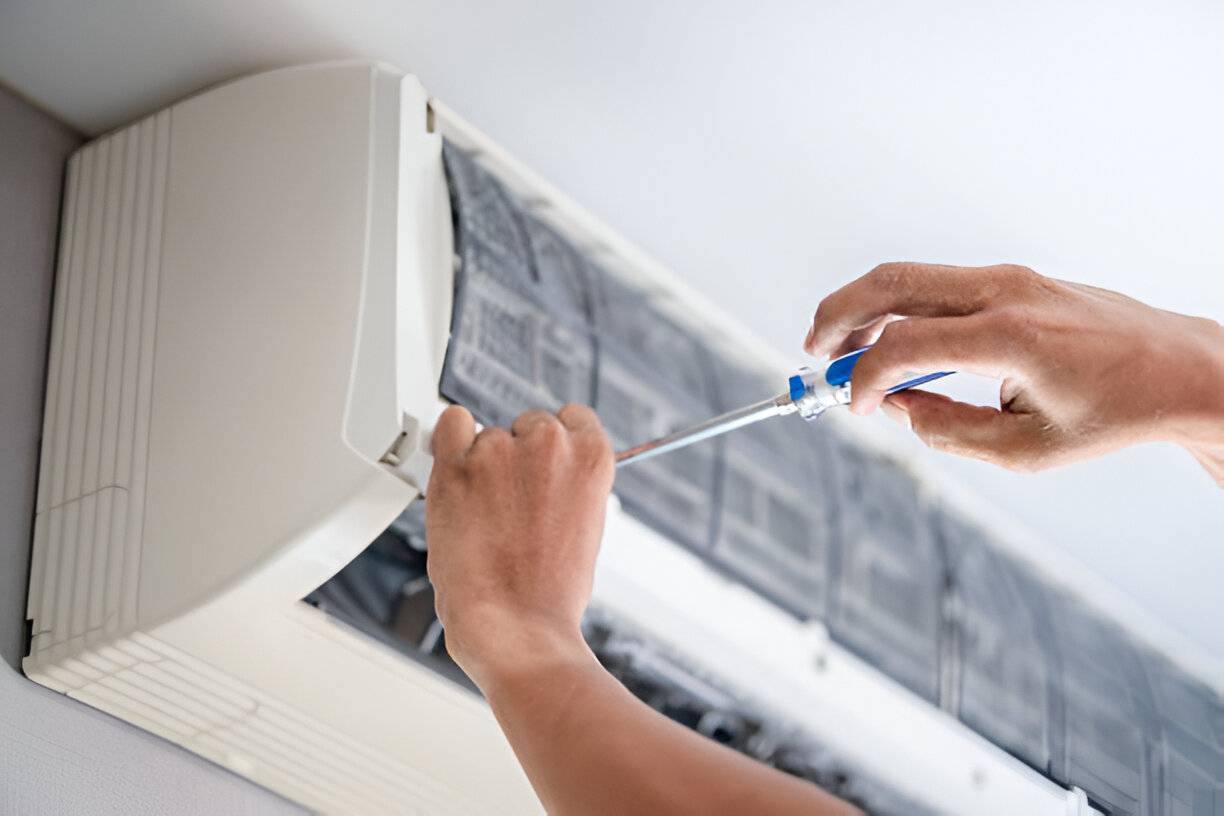
When replacement is recommended versus repair
Consider replacement when multiple or significant signs point to end-of-life or inefficient performance:
- The system is 10 to 15 years old or older. Older compressors and refrigerant types are less efficient and often require costly parts that will keep failing.
- Frequent breakdowns or repeated component replacements. If repairs in the last 12–18 months have been significant, replacement often costs less over time.
- Rising energy bills despite routine maintenance. Loss of efficiency means the system runs longer and costs more to cool your home.
- Poor humidity control, uneven temperatures, or noisy operation. These point to a system that cannot meet current load demands.
- Use of outdated refrigerants or equipment that no longer meets modern code or efficiency standards.
In Columbus, OH, hot humid summers and occasional heat waves put extra stress on older systems. If your home requires long run-times to reach set temperatures, replacement with a properly sized high-efficiency system commonly gives the best return.
Benefits of newer, higher-efficiency systems
- Lower energy bills: Modern units with higher SEER ratings use significantly less electricity to deliver the same cooling. Typical upgrades can reduce cooling-related energy use by 20 to 40% depending on the efficiency jump and home envelope.
- Improved comfort and humidity control: Variable-speed compressors and two-stage systems maintain steadier temperatures and better dehumidification—valuable in Columbus humidity.
- Quieter operation: Newer equipment is engineered to run with less vibration and noise.
- Longer life and fewer repairs: New components and better diagnostics mean fewer emergency calls and lower lifetime operating costs.
- Compatibility with smart thermostats and zoning: Upgrades often allow smarter control strategies, improving comfort and saving energy.
- Environmental benefits: New systems use more environmentally friendly refrigerants and reduce greenhouse gas emissions from energy use.
Site evaluation and system selection process
A proper replacement begins with a thorough on-site evaluation to match system capacity and design to your home’s needs:
- Load calculation (Manual J): Determines the true cooling requirement based on square footage, insulation, orientation, windows, attic conditions, and occupancy.
- Duct inspection (if applicable): Evaluates leaks, insulation, and airflow. Poor ducts often undermine even the most efficient equipment.
- Equipment options: Comparison of SEER ratings, single-stage vs two-stage vs variable-speed compressors, heat pump options, and AHRI-certified matched components.
- Refrigerant considerations: Newer equipment often uses updated refrigerants and requires matching indoor coils and outdoor condensers for optimal performance.
- Zoning and controls: Assessing whether zoning dampers or a programmable/ smart thermostat will improve comfort and efficiency.
- Timeline and logistics: Roof or yard access, electrical upgrades, and any needed ductwork or thermostat wiring changes.
Matching capacity correctly is critical. Oversized systems short-cycle and underperform; undersized systems never reach setpoints. The site evaluation also identifies opportunities to improve the building envelope to maximize benefits.
Removal and disposal of old equipment
Proper decommissioning follows environmental and safety standards:
- Refrigerant recovery: Certified technicians recover and recycle refrigerant per EPA guidelines to prevent emissions.
- Safe disconnect and removal of electrical and refrigerant lines.
- Responsible disposal and recycling of metal, plastics, and circuit boards. Many parts are recyclable; secure recycling reduces landfill waste.
- Cleanup: Removal of old pads, disconnects, and any construction debris. If duct modifications or small carpentry changes are required, those are handled within the replacement scope.
This process minimizes environmental impact and ensures your new equipment starts from a compliant, safe installation base.
Cost estimates and financing choices
Replacement cost varies with system size, efficiency level, required ductwork or electrical upgrades, and home complexity. Typical factors that affect price:
- SEER rating and equipment tier
- Single-head split system vs heat pump or multi-zone systems
- Need for duct repairs, new thermostats, or electrical panel upgrades
- Accessibility and complexity of the installation
Financing options often available through HVAC providers or third-party lenders can spread payments over multiple years. Homeowners in Columbus may also find local utility rebates or seasonal incentives for upgrading to high-efficiency equipment. When evaluating cost, compare total installed price, expected energy savings, and warranty coverage rather than focusing only on upfront expense.
Expected energy savings and payback
Energy savings depend on your old system’s efficiency and how you use cooling:
- Replacing an older 8–10 SEER system with a modern 16–20+ SEER unit commonly yields 20–40% reduction in cooling energy use.
- In homes with poor ducts or high attic heat gains, repairs or attic insulation improvements combined with a high-efficiency unit accelerate savings.
- Payback periods typically range from a few years to a decade depending on local electric rates, rebate availability, and usage patterns.
Columbus energy costs and humid summers make efficiency upgrades particularly impactful during peak months, reducing both bills and peak demand strain on the grid.
Post-installation support and warranties
Look for clear post-installation support:
- Manufacturer warranties on compressors and coils (usually 5–10 years or more on higher-end models) and parts coverage.
- Labor warranty for installation to cover workmanship issues.
- Start-up and performance verification visits to ensure the system meets design expectations.
- Recommended maintenance schedule: annual tune-ups, seasonal filter changes, and periodic duct checks extend system life and preserve efficiency.
- Optional maintenance plans that include priority service, discounts on repairs, and inspection visits—helpful in preventing costly failures.
Documented start-up reports, operating instructions, and warranty registrations should be provided at completion so you know what is covered and what preventive steps maintain warranties.
Maintenance tips and long-term value
- Replace filters regularly and use the filter type the system was designed for.
- Schedule annual cooling tune-ups before peak season to check refrigerant charge, airflow, and controls.
- Seal and insulate ducts in unconditioned spaces to preserve airflow and efficiency.
- Use programmable or smart thermostats and set sensible temperature setbacks when away to reduce runtime.
- Address attic insulation and window shading to lower cooling load and improve comfort.
A professionally executed replacement, matched to your Columbus home’s needs and climate realities, delivers reliable comfort, lower operating costs, and peace of mind. With correct sizing, modern efficiency, proper disposal, and solid warranty and maintenance plans, a replacement becomes an investment in long-term comfort and energy savings for Columbus homes.
Hot Deals & Cool Savings

.webp)
New Service Agreement Membership
.webp)
Any New Client Service
Next Service for Referring a New Client
New Service Agreement Membership
Any New Client Service
Next Service for Referring a New Client
.webp)
.webp)

Service Areas
