
Furnace Installation in Columbus, OH
Reliable furnace installation in Columbus, OH with expert sizing, safe venting, and full commissioning. Schedule a consultation today.

Furnace Installation in Columbus, OH
Are you struggling with uneven heating, rising energy bills, or frequent furnace breakdowns during Columbus’s harsh winters? An inefficient or improperly sized furnace can leave your home cold and uncomfortable, leading to costly repairs and wasted energy. We specialize in expert furnace installation tailored to your home’s unique needs, ensuring reliable warmth and lower utility costs all winter long. Don’t wait for your furnace to fail; let us provide a professional assessment and install the perfect heating solution for your Columbus home today.
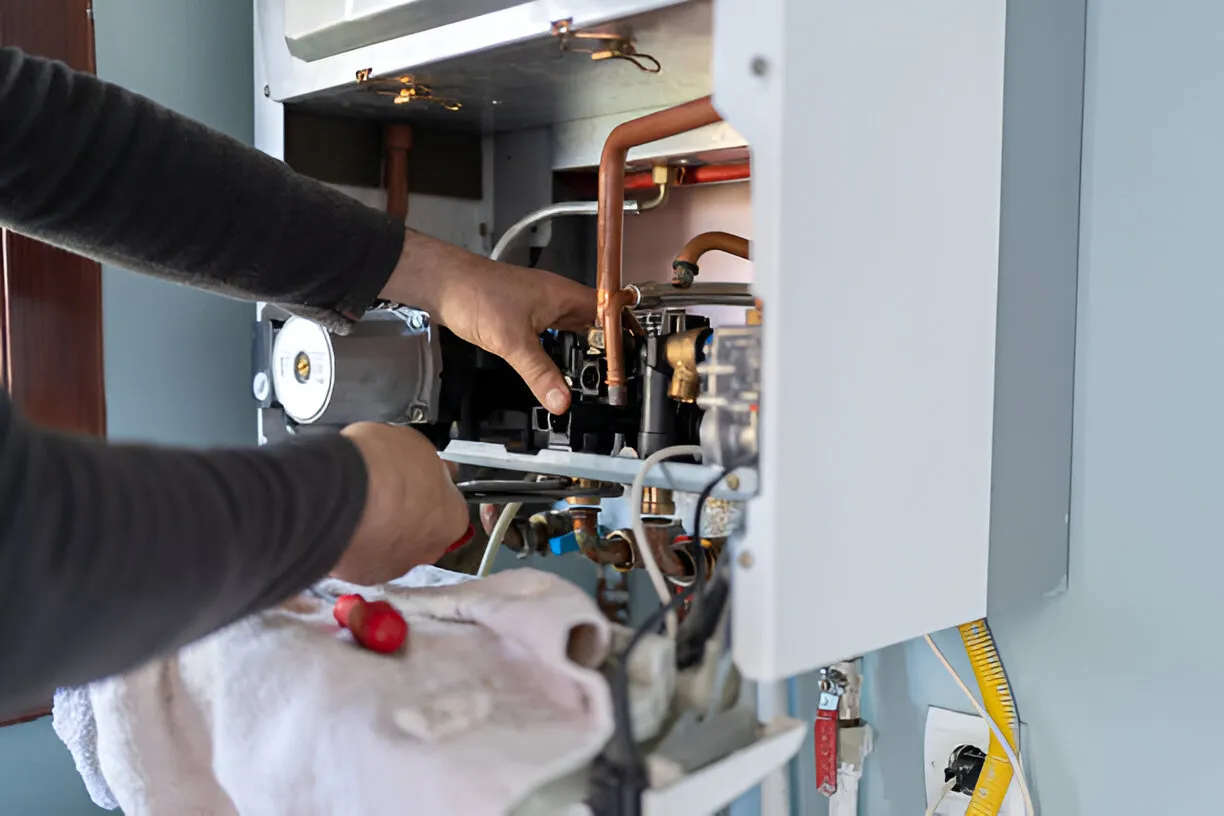
Get Your Furnace Installed Right the First Time
Contact us now for a free consultation and experience the difference of a properly sized, high-efficiency furnace that keeps your family comfortable and safe.
Common Furnace Types and Common Installation Needs in Columbus homes
- High-efficiency gas furnaces (modulating or two-stage) - Best for reducing fuel use in colder months; require sealed combustion and proper venting.
- Standard-efficiency gas furnaces - Lower upfront cost but higher operating expense over time; still need correct flue sizing and ventilation.
- Electric furnaces and heat pumps - Good option where gas is unavailable or for homes prioritizing electric systems; electrical panel capacity and backup heat strategy matter.
- Direct-vent vs natural draft - Many older Columbus homes have natural draft systems that often need upgrades to sealed combustion for safety and efficiency.
In Columbus, many homes are older with varied duct layouts, tight attic spaces, or slab foundations. These characteristics influence equipment placement, duct modification needs, and whether accessory work (like adding return ducting or a new vent chase) is necessary.
Common Furnace Problems That Lead to Replacement
- Repeated heat exchanger failures or cracked heat exchanger
- Frequent pilot or ignition system failures on older units
- Rising heating bills despite regular service
- Uneven heating or rooms that never reach set temperature
- Intermittent shutdowns or constant cycling
- Age: furnaces older than 15 to 20 years typically justify replacement for reliability and efficiency gains
Pre-Install Assessment: What We Inspect and Why It Matters
A good installation begins with a comprehensive home assessment:
- Review of existing system age, condition, and efficiency rating
- Manual J load calculation to determine heating demand for your specific home, accounting for Columbus climate, insulation levels, windows, and orientation
- Ductwork inspection for leaks, insufficient returns, or undersized runs
- Combustion air and venting evaluation for code compliance and safe operation
- Electrical service capacity check to confirm panel and breaker compatibility
- Site planning for furnace location, clearances, and condensate handling
This assessment prevents common mistakes like installing an oversized furnace, which can short-cycle, or undersized equipment that fails to keep the home warm during Ohio cold snaps.
Equipment Selection and Proper Sizing
- Proper sizing uses Manual J heat load calculations, not rule-of-thumb square footage numbers.
- Equipment selection balances AFUE rating, two-stage or modulating operation, cabinet size, and compatibility with existing ductwork.
- For older Columbus homes with leaky ducts, selecting a higher-capacity, variable-speed blower can improve distribution and comfort.
- Considerations for indoor air quality accessories, humidifiers (helpful during dry winter months), and zoning for multi-level homes.
The Installation Process: What to Expect
A professional installation follows a defined process to ensure safety and performance:
- Removal of old equipment - Safe disconnection and proper disposal per local regulations.
- Preparation of mounting and clearances - Leveling, platform or pad set as required, and ensuring combustion air access.
- Venting and flue work - Proper sizing of flue, installation of direct vent or PVC exhaust for high-efficiency units, and sealing of penetrations to prevent drafts.
- Gas line and combustion setup - Correct gas piping sizing, leak testing, and pressure checks performed by qualified technicians.
- Electrical hookup - Dedicated breakers, proper grounding, and control wiring to thermostats or smart controls.
- Duct connections and balancing - Sealing and insulating new connections, adding transitions, and adjusting airflow for balanced distribution.
- Condensate management - For high-efficiency units, installing a safe condensate drain and trap to the home’s drain system.
Each step includes safety checks and adherence to manufacturer installation instructions to preserve warranties.
Permits, Inspections, and Code Compliance in Columbus
Permits and inspections are crucial. Local codes and Ohio regulations require permits for furnace replacement in most cases to ensure safe venting, gas line work, and combustion air provisions. A professional installer will:
- Obtain required local permits
- Schedule and coordinate municipal inspections
- Follow manufacturer and code requirements for clearances, venting, and combustion testing
Documented compliance protects your family, future buyers, and the validity of warranties.
Post-Install Testing and Commissioning
After physical installation, thorough testing ensures the system performs as intended:
- Operational checks: ignition, safety controls, and cycling behavior
- Combustion analysis and CO testing for gas units
- Static pressure and airflow measurements; duct leakage assessment if needed
- Thermostat and control programming, including calibration and zoning setup
- Walk-through to explain system operation, filter type and replacement schedule, and thermostat use
A properly commissioned furnace runs efficiently, quietly, and safely, and it starts delivering comfort immediately.
Warranties, Documentation, and Long-Term Protection
- Equipment typically carries a manufacturer limited warranty on the heat exchanger and parts; proper registration may be required to maximize coverage.
- Ask about a labor warranty covering installation workmanship for a set period.
- Keep all installation paperwork, manuals, and permit records safe for future service and resale value.
Financing Options and Cost Considerations
For many homeowners, financing makes replacement manageable. Typical options include:
- Low-month financing for qualified buyers
- Flexible term plans to spread cost over time
- Information about potential utility incentives or tax credits when available for high-efficiency systems
Discussing finance choices prior to ordering equipment helps match the best solution to your budget without compromising system quality.
Why Timely Replacement Matters and Maintenance Advice
Replacing a failing furnace before it completely breaks down avoids emergency service calls, potential safety hazards, and higher heating costs. After installation, regular maintenance extends life and maintains efficiency:
- Annual tune-ups (clean burners, verify combustion, replace filters)
- Seasonal checks of thermostat settings and duct seals
- Prompt attention to unusual noises, odors, or cycling changes
A well-executed installation matched to your Columbus home delivers reliable warmth, lower energy bills, and peace of mind through every winter.
Hot Deals & Cool Savings

.webp)
New Service Agreement Membership
.webp)
Any New Client Service
Next Service for Referring a New Client
New Service Agreement Membership
Any New Client Service
Next Service for Referring a New Client
.webp)
.webp)

Service Areas
