
HVAC Company in Reynoldsburg, OH
HVAC services in Reynoldsburg, OH: install, repair, and maintenance for homes and light-commercial work. Learn more today.

HVAC Services in Reynoldsburg, OH
Keeping your home comfortable year-round in Reynoldsburg requires HVAC work tuned to our hot, humid summers and cold, often snowy winters. Whether you need residential or light-commercial support.
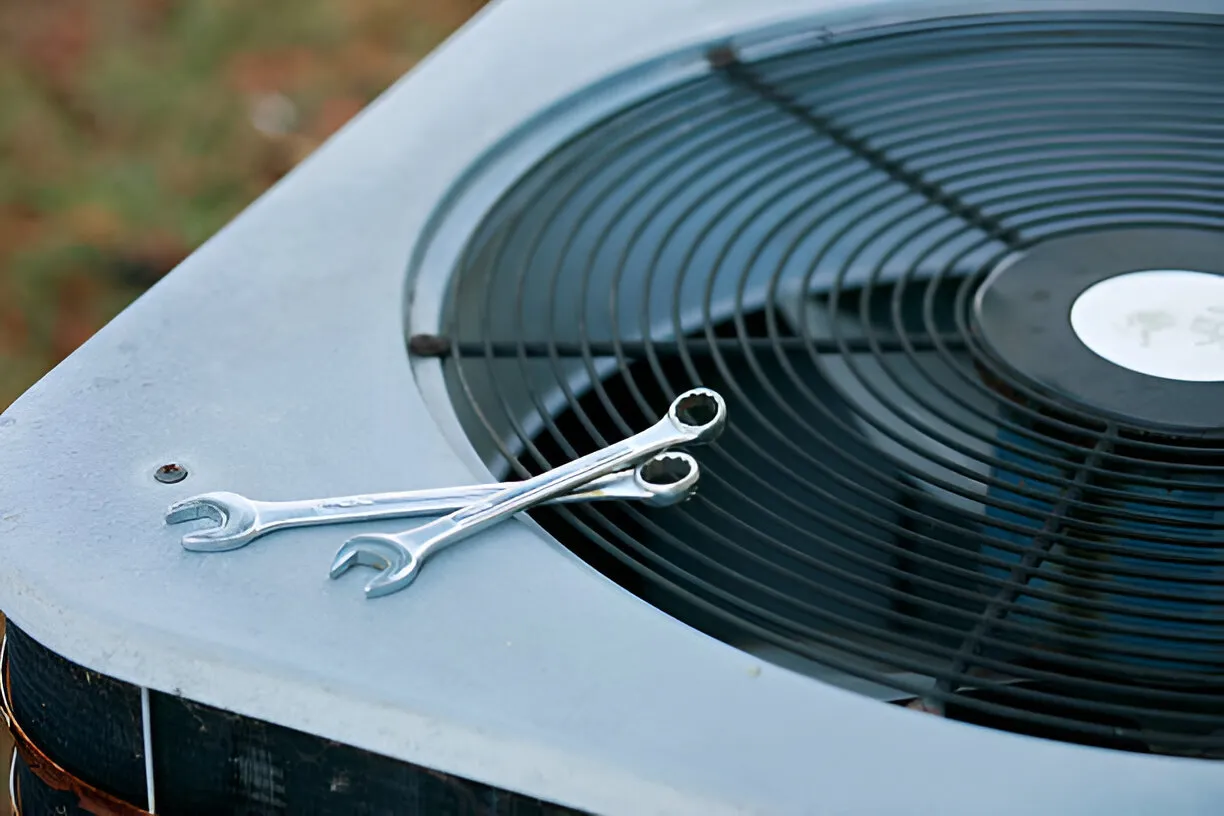
What we cover: residential and light-commercial HVAC services
- Air conditioning: repair, replacement, and new installation for central AC systems and packaged units.
- Cooling alternatives: ductless mini-split AC options for zoned comfort and homes without ductwork.
- Heating: furnace repair and installation, boiler service, and heat pump solutions including ductless split heat pumps.
- Water heaters: repair, installation, replacement, and tankless systems for faster recovery and energy savings.
- Indoor air quality: air duct cleaning, filtration upgrades, humidifiers/dehumidifiers, and ventilation improvements.
- Preventative maintenance plans (SAM): regular tune-ups, priority service, discounts, and extended equipment life.
- Emergency/after-hours response: troubleshooting and repairs outside normal hours for urgent failures.
- Financing and promotions: flexible payment options and occasional offers to help with replacement decisions.
- Licensing and warranties: licensed workmanship and manufacturer warranty guidance for installations and parts.
- Service area focus: Reynoldsburg neighborhoods, surrounding Columbus suburbs, and light-commercial properties in the area.
Common HVAC problems in Reynoldsburg, OH
- AC short-cycling or failing to cool — common during sticky July and August heat when systems are overworked.
- Furnace not igniting or producing weak heat — frequent after long off-seasons or with aging units.
- Uneven temperatures across floors — older homes and duct leakage are common causes.
- High humidity or condensation — Ohio’s humid summers can overwhelm undersized or failing systems.
- Frequent pilot outages or water heater issues — sediment buildup and aging tanks lead to inefficiency and leaks.
- Strange noises or odors from ductwork — indicating loose ductwork, collapsed sections, or biological buildup.
Diagnostic process: what professionals check
- Visual inspection of equipment, filters, and condensate lines.
- System performance tests: temperature split, refrigerant pressures, and airflow readings.
- Electrical and safety checks: controls, capacitors, relays, and combustion safety on gas appliances.
- Duct evaluation: pressure testing, visual checks for disconnected or collapsed ducts, and airflow balancing.
- Hot water diagnostics: tank integrity, anode rod condition, and flow rates for tankless units.
- Post-diagnosis explanation with options: repair, component replacement, or full system replacement depending on age, efficiency, and repair cost vs. expected remaining life.
Typical repairs and replacement solutions
- AC repairs: refrigerant top-off is a temporary fix; the preferred solution is locating and repairing leaks, replacing worn compressors, or replacing units when efficiency is severely compromised.
- Furnace work: ignitor and control board replacements, heat exchanger checks (for safety), and full furnace replacements when costly repairs approach replacement value.
- Boilers and hydronic systems: pump replacements, zone valve repair, and combustion tuning.
- Ductless systems: adding or replacing indoor heads for zoned comfort; ideal for room additions and older Reynoldsburg homes without ducts.
- Water heater options: replacing corroded tanks, converting to tankless units for on-demand hot water, and installing expansion tanks where needed.
Energy-efficient equipment guidance
- For cooling, look at higher SEER-rated systems (Seasonal Energy Efficiency Ratio) for better long-term savings — especially valuable with Reynoldsburg’s humid summers.
- For heating, consider high AFUE furnaces or cold-climate heat pumps where appropriate; modern heat pumps can significantly reduce fuel use in moderate-cold winters.
- Tankless water heaters reduce standby loss and are a strong option for households with high hot-water demand.
- Right-sizing is critical: oversized units short-cycle and undersized units struggle in extremes. Proper load calculations (Manual J) ensure efficient operation and comfort.
Post-installation testing and verification
- Airflow measurement and balancing to ensure even distribution.
- Refrigerant charge verification, electrical load testing, and thermostat calibration.
- Combustion analysis and carbon monoxide checks for gas appliances.
- Duct leakage testing and verification of sealing if ducts were adjusted.
- Walk-through showing system features, maintenance basics, and warranty documentation.
Preventative maintenance (SAM plan) — why it matters
- Regular tune-ups reduce breakdown risk during peak seasons and can extend equipment life.
- Typical SAM benefits: priority scheduling, discounted service calls, and seasonal cleaning/inspection.
- Maintenance tasks include filter replacement, cleaning coils, lubricating motors, tightening electrical connections, and checking refrigerant and combustion efficiency.
- In Reynoldsburg, seasonal maintenance before summer and winter prevents common humidity-related and freezing problems.
Emergency response, licensing, and warranty info
- After-hours service is available for failures that create unsafe conditions or leave a home without heating/cooling in extreme weather.
- Verify that contractors are licensed in Ohio and carry appropriate insurance for residential and light-commercial work.
- Most new equipment comes with manufacturer warranties; reputable installers also provide workmanship assurances—keep all documentation for future claims.
Frequently asked questions (FAQs)
- Q: How do I know if my system should be repaired or replaced?
A: Consider age (typical lifespan 10–15 years for AC, 15–20 for furnaces), frequency and cost of repairs, and energy bill patterns. If repairs approach half the cost of a new, more efficient unit, replacement is often the better investment. - Q: Is a ductless mini-split a good option for older Reynoldsburg homes?
A: Yes. Ductless systems provide efficient zoned heating/cooling without the need to install ductwork, making them a strong option for additions, basements, or homes with limited attic space. - Q: How often should I schedule maintenance?
A: Annual tune-ups for heating and cooling are standard; pre-summer and pre-winter checks are recommended for best performance. - Q: Will a tankless water heater meet my family’s needs?
A: Tankless units excel with consistent flow demands; sizing must match peak flow rates. For larger households, multiple units or a hybrid solution may be needed.
Final considerations
Choosing the right HVAC solution for a Reynoldsburg home means balancing system size, energy efficiency, indoor air quality needs, and budget. Proper diagnostics, reputable installation, seasonal maintenance (SAM), and adherence to local safety and licensing standards will protect comfort and investment over the long term. Post-installation testing and careful equipment selection are essential to ensure reliable performance through hot, humid summers and Ohio winters.
Hot Deals & Cool Savings

.webp)
New Service Agreement Membership
.webp)
Any New Client Service
Next Service for Referring a New Client
New Service Agreement Membership
Any New Client Service
Next Service for Referring a New Client
.webp)
.webp)

Service Areas
