
Heating Service in Lancaster, OH
Heating service in Lancaster, OH delivers fast diagnostics and reliable repairs for comfort and efficiency. Learn more today.

Heating Service in Lancaster, OH
Keeping your home warm and safe through Lancaster winters requires reliable, knowledgeable heating service. Whether you are troubleshooting an aging furnace, planning a seasonal tune-up, or weighing replacement options, professional heating service in Lancaster, OH focuses on fast diagnostics, dependable repairs, and long-term efficiency to protect comfort and home value. Lancaster homes face cold, damp winters and periodic freeze-thaw cycles that stress heating systems, so timely attention prevents breakdowns, reduces energy waste, and extends equipment life.
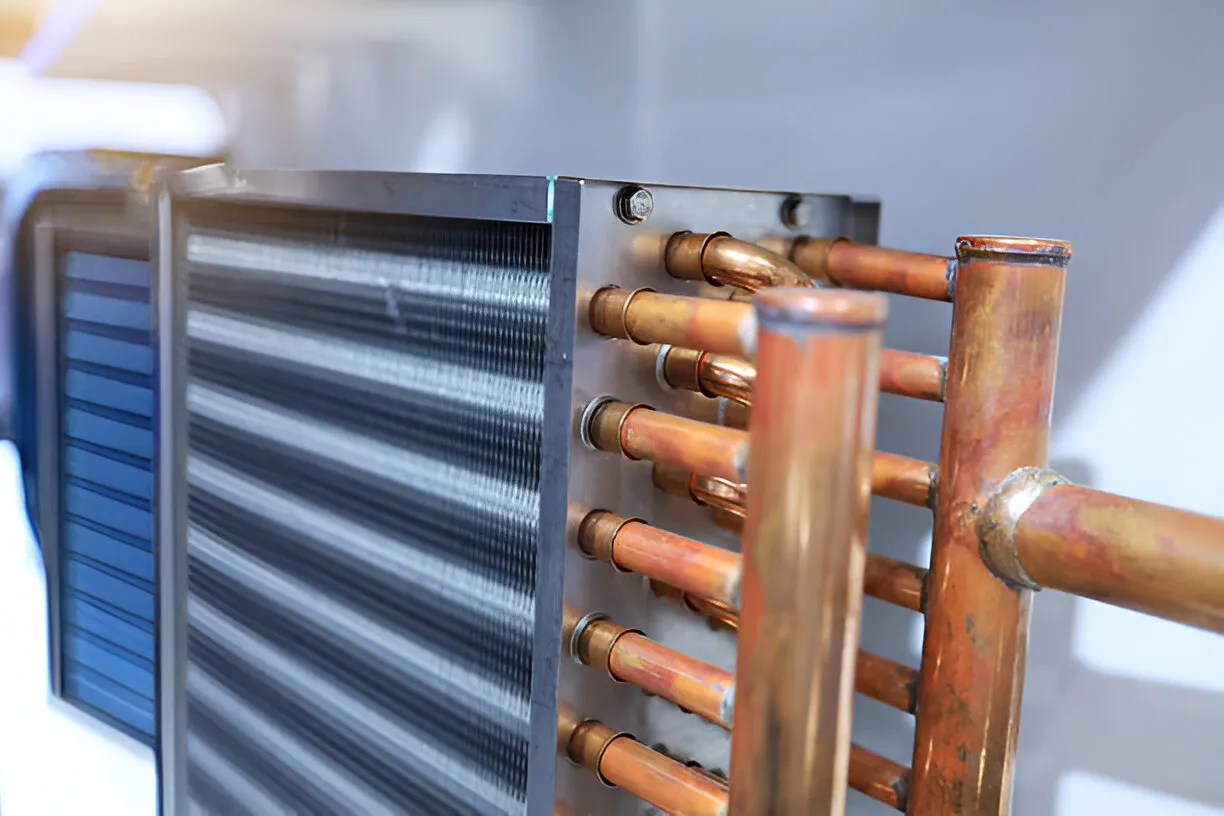
Common heating issues in Lancaster, OH homes
Homeowners in Lancaster most often encounter these problems:
- Intermittent heating or short cycling from older furnaces or clogged filters.
- Uneven temperatures and cold spots due to duct leaks, poor insulation, or zoning issues.
- Pilot light or ignition failures on gas furnaces and boilers following long idle periods.
- Strange noises (banging, rattling, or whistling) indicating blower, motor, or duct problems.
- Rising energy bills caused by declining system efficiency or failing components.
- Boiler pressure loss, leaks, or frequent cycling in hydronic systems common in older neighborhoods.
- Heat pump performance drop during cold snaps when supplemental heat may be needed.
Types of heating services offered
Heating service in Lancaster, OH typically covers:
- System diagnostics and safety checks for furnaces, boilers, heat pumps, and ductless systems.
- Routine repairs including ignition components, blower motors, control boards, gas valves, and heat exchangers.
- Seasonal tune-ups and maintenance to optimize efficiency before peak winter demand.
- Emergency response procedures for no-heat situations and safety concerns like gas odor or carbon monoxide alarms.
- Replacement and installation of high-efficiency furnaces, boilers, ductless heat pumps, and whole-home systems.
- Energy-efficiency assessments and recommendations, including insulation and thermostat upgrades.
- Maintenance plan enrollment to ensure scheduled preventive care and priority service.
How diagnostics and repairs work
A structured diagnostic approach saves time and prevents unnecessary repairs:
- Visual and safety inspection: check vents, combustion area, flue or chimney, and visible wiring.
- Performance diagnostics: measure temperature rise, combustion efficiency (where applicable), airflow, and refrigerant pressures for heat pumps.
- Component testing: assess ignition systems, thermostats, limit switches, motors, and sensors.
- Diagnosis report: clear explanation of issues, repair options, and estimated outcomes.
Repairs focus on restoring safe, efficient operation. Typical fixes include replacing faulty ignitors or gas valves, cleaning or replacing clogged filters and flame sensors, balancing airflow, sealing duct leaks, and repairing damaged heat exchangers or belts. In Lancaster, technicians also evaluate risks from cold weather, such as frozen condensate lines for high-efficiency condensing furnaces or blocked intake/exhaust pipes.
Emergency response procedures
When heat fails during cold weather, safety and speed are priorities. Emergency heating service protocols generally include:
- Rapid assessment of immediate safety risks like gas leaks or carbon monoxide exposure.
- Temporary measures to restore safe, reduced heating while scheduling permanent repairs.
- Clear communication about hazards, required parts, and expected repair time.
- Prioritization of homes with vulnerable occupants such as infants, elderly, or medically dependent residents.
Replacement options and what to consider
If repairs are frequent or efficiency has declined, replacement can deliver better comfort and lower operating costs. Key choices for Lancaster homes:
- High-efficiency gas furnaces with AFUE ratings above 90 percent for those on natural gas.
- Modulating or variable-speed furnaces that improve comfort and reduce cycling.
- Heat pumps and cold-climate heat pumps for homes seeking lower electric-based heating costs and year-round comfort, including ductless options for room additions.
- Condensing boilers or modern hydronic systems for homes with existing radiators or in-floor heating.
- Ductless mini-splits for targeted heating in older homes without ductwork.
When evaluating replacement, consider system sizing for your home, expected fuel costs in central Ohio, long-term efficiency gains, and installation quality. Proper sizing and commissioning prevent short cycling and comfort complaints.
Energy-efficiency recommendations for Lancaster homeowners
- Upgrade to a programmable or smart thermostat to reduce wasted runtime and use setback schedules during cold nights.
- Seal and insulate ductwork and attic spaces to minimize heat loss during Ohio winters.
- Consider zoned systems or multi-stage equipment to match output to demand, improving comfort in older or multi-level homes.
- Add routine seasonal maintenance to maintain efficiency and avoid frost buildup on heat pumps during colder months.
- Explore multi-measure approaches: pairing a high-efficiency furnace with air sealing and insulation often yields the best payoff.
Financing and warranty information
Many homeowners prefer financing to spread replacement costs over time. Typical options available in the industry include:
- Flexible financing with multiple term lengths and predictable monthly payments.
- Pre-qualification processes that do not impact credit scores in many programs.
- Special promotional terms such as low-interest or deferred-interest plans through third-party lenders.Warranty coverage to expect:
- Manufacturer warranties on new equipment (commonly 5 to 10 years on major components and longer on heat exchangers for select models).
- Labor or workmanship warranties for installation, often 1 to 2 years standard with options to purchase extended coverage.
- Transferable warranties in some cases when moving, which can add resale value.
Always review warranty fine print for requirements such as annual maintenance and professional installation to keep coverage valid.
Maintenance plan enrollment and benefits
Enrolling in a maintenance plan protects your heating investment and smooths seasonal performance:
- Typical plan features: scheduled biannual inspections (heat and cooling seasons), priority scheduling during high demand, discounted service calls, and documented tune-ups for warranty compliance.
- Enrollment steps commonly include signing an agreement outlining services, scheduling the initial tune-up, and receiving reminders for future visits. Many plans also offer account management via phone or an online portal.
- Benefits: extended equipment life, improved efficiency lowering utility bills, reduced likelihood of emergency breakdowns during Lancaster cold snaps, and potential repair discounts.
Final considerations and maintenance tips
Consistent maintenance is the most cost-effective way to keep a heating system reliable through Lancaster winters. Simple homeowner actions that help between professional visits:
- Change furnace filters monthly during heavy use and inspect vents for blockages.
- Keep outdoor units and vents clear of snow and debris.
- Test carbon monoxide detectors and change batteries seasonally.
- Track energy use seasonally to spot sudden changes indicating a developing problem.
Professional heating service in Lancaster, OH combines local knowledge of climate impacts, building types, and fuel options to deliver dependable diagnostics, repairs, and efficient replacements. Prioritizing preventive maintenance and understanding warranty and financing options ensures long-term comfort and predictable costs for your home.
Hot Deals & Cool Savings

.webp)
New Service Agreement Membership
.webp)
Any New Client Service
Next Service for Referring a New Client
New Service Agreement Membership
Any New Client Service
Next Service for Referring a New Client
.webp)
.webp)

Service Areas
