
Ventilation in Columbus, OH
Improve Columbus, OH air quality with expert ventilation installation and assessment; optimize ERV/HRV and balanced airflow. Learn more.

Ventilation in Columbus, OH
Proper ventilation is one of the most important upgrades you can make to improve indoor air quality, energy performance, and long-term durability in Columbus homes. Whether you are dealing with seasonal humidity, spring pollen, musty basements, or the tighter building envelopes of newer construction, the right ventilation strategy—ERV/HRV systems, mechanical supply or exhaust, and targeted spot ventilation for kitchens and bathrooms—keeps your living spaces healthier and more comfortable while meeting code requirements.
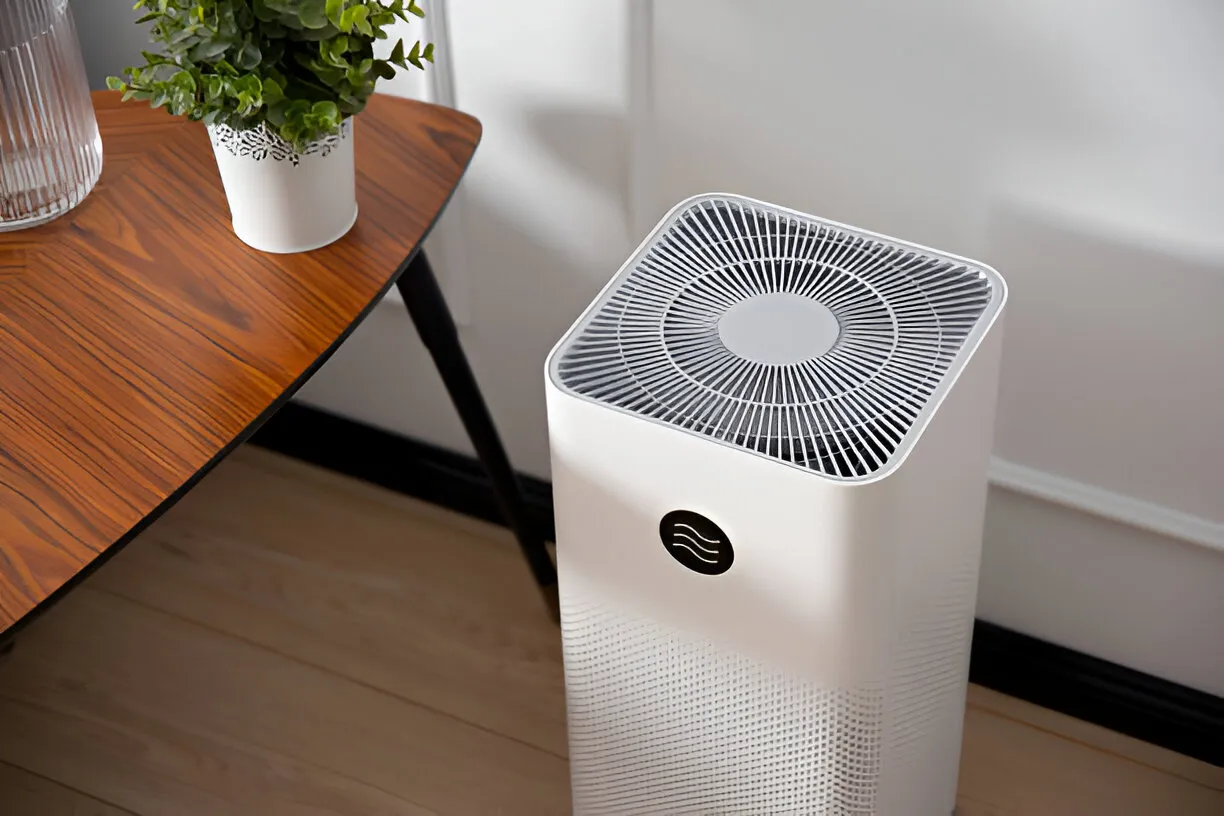
Why ventilation matters for Columbus homes
Columbus experiences humid summers, cold winters, and a spring pollen season that together create distinct ventilation challenges. High summer humidity encourages mold and dust mite growth; winter tightness reduces fresh air and can concentrate indoor pollutants; spring brings elevated outdoor pollen that can enter through leaks. Proper ventilation:
- Reduces indoor pollutants such as VOCs, excess moisture, and allergens
- Prevents condensation-related damage to walls, attics, and basements
- Helps maintain comfortable humidity levels year round
- Supports compliance with local building codes and ASHRAE 62.2 ventilation standards
- Lowers overall HVAC energy use when energy recovery ventilators are used
Common ventilation issues in Columbus
Owners and builders commonly encounter:
- Poor whole-house ventilation in tightly sealed newer homes
- Excess humidity in basements and bathrooms causing mold spots
- Cooking odors and grease accumulation due to weak kitchen exhaust
- Backdrafting or combustion safety concerns when exhaust systems depressurize the house
- High pollen and particulate load in spring without proper filtration and ventilation balance
Ventilation system types and how they compare
Here are the major ventilation approaches and why each might be chosen for Columbus homes:
- ERV (Energy Recovery Ventilator)
- Transfers heat and a portion of moisture between incoming and outgoing air
- Best for homes in climates with humid summers and cold winters when you want some humidity control without over-drying in winter
- Improves energy efficiency by reclaiming conditioning energy
- HRV (Heat Recovery Ventilator)
- Transfers sensible heat only, not moisture
- Useful in cold-dry winter climates where you want to preserve indoor humidity during heating season
- Provides balanced ventilation with minimal heat loss
- Mechanical supply ventilation
- Brings fresh air into the home under positive pressure
- Helps keep outdoor pollutants out of basements and reduces infiltration through uncontrolled leaks
- Requires filtration and careful balancing to avoid pressurization issues
- Mechanical exhaust ventilation
- Removes indoor air and relies on makeup air entering through leaks or passive vents
- Simpler and less expensive but can depressurize the home and affect combustion appliances if not managed
- Spot ventilation for kitchens and bathrooms
- High-capacity range hoods and bath fans that exhaust directly to the outside are critical to quickly remove moisture and contaminants at the source
- Properly sized, ducted, and timed fans prevent lingering odors and reduce mold risk
Assessment and system selection process
Selecting the right solution begins with a targeted assessment tailored to your Columbus home:
- Envelope and HVAC review: Examine insulation, air sealing, existing ductwork, combustion appliances, and basement/attic conditions.
- Occupancy and use analysis: Consider household size, cooking frequency, and any health sensitivities (allergies, asthma).
- Measurement testing: Use blower door testing, duct leakage tests, and indoor humidity/CO2 monitoring to quantify needs.
- Selection criteria: Choose ERV vs HRV based on humidity patterns and desired moisture control; choose supply vs exhaust depending on combustion safety and pressurization goals.
- Sizing: Size equipment to meet ASHRAE 62.2 or local code ventilation rates, expressed in CFM or air changes per hour (ACH).
Installation, balancing, and integration
Proper installation is where performance is earned:
- Placement: Install ERV/HRV units in conditioned space to avoid freezing or condensate issues and keep duct runs short and insulated.
- Duct routing: Use dedicated ductwork with minimal bends and sealed joints; avoid routing through unconditioned attics without insulation.
- Electrical and condensate: Provide dedicated electrical circuits and properly pitched condensate drains for energy recovery units.
- Noise control: Select low-sone fans and use insulated ducts or flexible connectors to reduce noise transfer into living areas.
- Balancing: Use a balometer or airflow probes to measure and adjust supply and exhaust flows so the system meets the designed CFM targets. Proper balancing prevents unwanted depressurization or pressurization that can affect combustion appliances and indoor comfort.
- Integration: Coordinate with existing HVAC for filtered incoming air and staged operation to align with heating/cooling loads and energy recovery.
Commissioning and testing
Commissioning confirms the system works as intended:
- Airflow verification: Measure and log supply and exhaust CFM at all distribution points.
- Pressure testing: Check whole-house and zone pressure relationships to safeguard combustion appliance operation and ensure makeup air paths are correct.
- CO2 and humidity monitoring: Validate that ventilation reduces CO2 under typical occupancy and maintains recommended indoor humidity levels (ideally 30-50 percent in summer and winter).
- Leakage and smoke testing: Verify duct integrity and distribution effectiveness.
- Documentation: Provide a simple report showing measured flows, pressures, and recommended seasonal settings.
Recommended maintenance for reliable performance
Ongoing care keeps ventilation effective and efficient:
- Replace or clean filters every 3 to 6 months; more often during high pollen season.
- Inspect and clean ERV/HRV cores at least annually or per manufacturer guidance to prevent odor transfer and maintain heat exchange efficiency.
- Check condensate drains and trap seals seasonally to prevent clogs and freeze during winter.
- Verify fan motors, belts (if present), and electrical connections yearly.
- Re-test airflow and pressures if you change significant building components or HVAC systems.
Benefits you can expect
A thoughtfully designed and commissioned ventilation system for your Columbus, OH home delivers:
- Consistently better indoor air and reduced allergy triggers
- Lower risk of moisture damage and mold growth in humid months
- Improved energy performance with energy recovery options
- Code-compliant ventilation that protects combustion appliance safety
- More even indoor comfort and longer HVAC life through reduced latent load
Proper ventilation is a practical, measurable way to protect health, preserve building materials, and manage energy costs in Columbus homes. With the right assessment, equipment choice, and commissioning, you gain reliable fresh air without sacrificing comfort or efficiency.
Hot Deals & Cool Savings

.webp)
New Service Agreement Membership
.webp)
Any New Client Service
Next Service for Referring a New Client
New Service Agreement Membership
Any New Client Service
Next Service for Referring a New Client
.webp)
.webp)

Service Areas
