Furnace Maintenance in Lancaster, OH
Furnace maintenance in Lancaster, OH keeps your system efficient and safe while lowering energy costs. Schedule your tune-up today.
Furnace Maintenance in Lancaster, OH
Keeping your furnace maintained is one of the most important steps Lancaster homeowners can take to ensure reliable heat, lower utility bills, and safer operation during the long Ohio winters. Proper furnace maintenance focuses on cleaning, inspection, safety checks, and performance tuning so your system runs efficiently when temperatures dip and demand is highest.
Why furnace maintenance matters in Lancaster, OH
Lancaster experiences cold winters with frequent freeze-thaw cycles and extended heating seasons. That extra runtime accelerates wear on components, increases the chance of clogged filters and dirty burners, and raises the risk of safety-related failures. Regular maintenance:
- Restores system efficiency lost to dirt and worn parts, lowering monthly heating costs
- Identifies small problems before they become expensive emergency repairs
- Confirms safety systems (combustion air, heat exchanger, venting) are functioning
- Extends the useful lifespan of your furnace, delaying replacement
Common furnace problems in Lancaster homes
Furnaces in older Lancaster houses and newer homes alike face similar issues driven by seasonal use and local conditions:
- Poor or uneven heating caused by dirty burners, misaligned motors, or restricted airflow
- Short cycling due to thermostat issues, blocked return vents, or overactive safety switches
- Increased utility bills from clogged filters, dirty heat exchangers, or inefficient burners
- Noisy operation from worn blower bearings, loose panels, or deteriorating belts
- Safety concerns such as cracked heat exchangers or blocked flues that can allow combustion gases into living spaces
What a professional furnace maintenance visit includes
A comprehensive tune-up addresses mechanical, electrical, combustion, and airflow systems. Typical checklist items performed by a qualified technician:
- Visual inspection of furnace cabinet, venting, and combustion area for corrosion, leaks, or obstructions
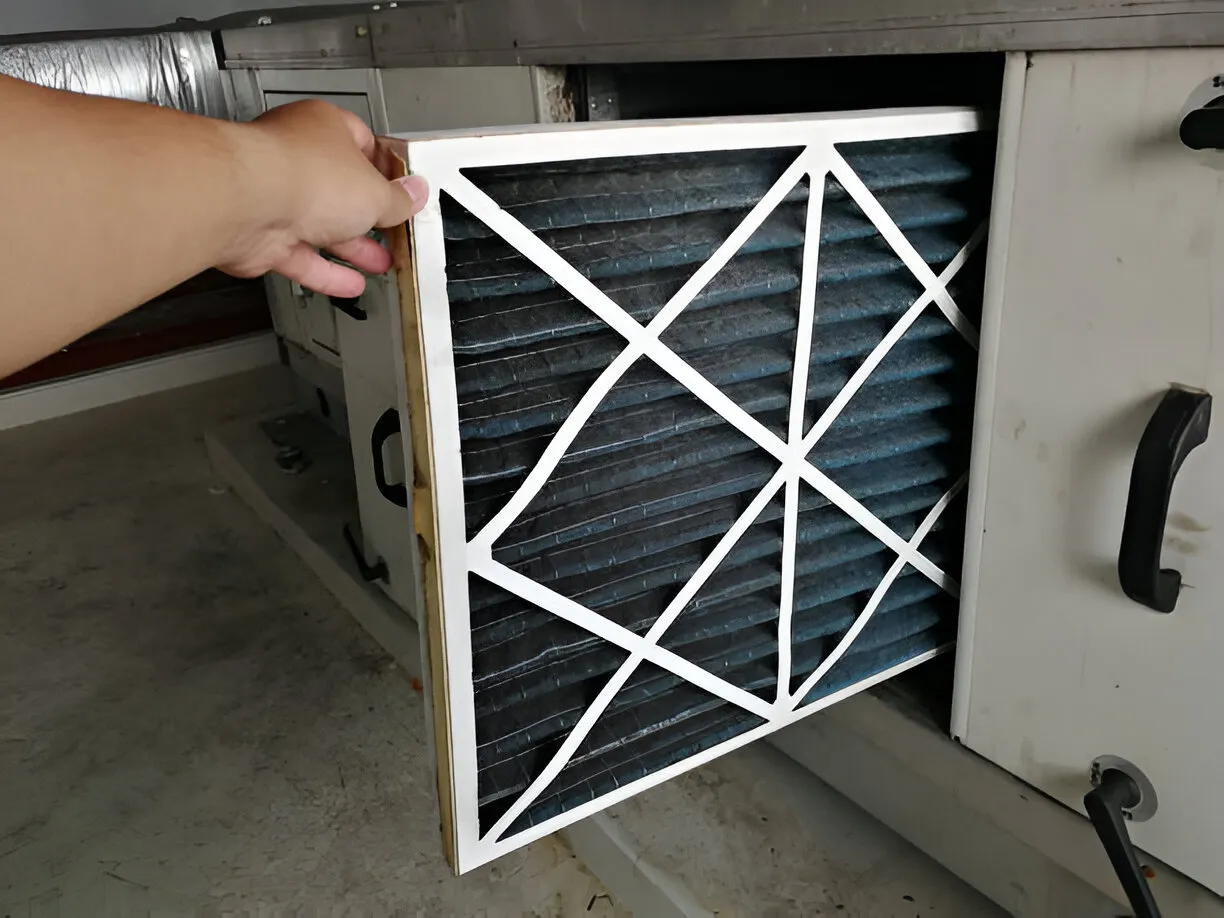
- Replace or inspect HVAC filters and recommend the correct filter type and schedule for Lancaster’s winter dust and pollen
- Clean burners, pilot assembly or ignition components, and combustion chamber to ensure efficient flame
- Inspect and test the heat exchanger for cracks or damage that could cause carbon monoxide risks
- Check and calibrate safety controls: limit switches, rollout switches, flame sensors, and pressure switches
- Examine and test the draft and flue for proper venting and secure connections
- Lubricate motors and bearings where applicable to reduce friction and noise
- Inspect blower assembly, clean blowers and motor housing, and test blower belt condition and alignment
- Verify thermostat accuracy and system cycling; recalibrate or advise on replacement if needed
- Measure system performance: airflow, temperature rise, and, for gas furnaces, combustion analysis (where applicable)
- Tighten electrical connections, test capacitors and relays, and inspect wiring for wear or hotspots
- Provide an itemized report of findings and recommended follow-up repairs or replacements
Performance tuning and HVAC diagnostics explained
Performance tuning is more than simple cleaning. Technicians use diagnostic checks to quantify how your furnace is operating and to set it up for peak performance:
- Airflow and temperature rise tests confirm the furnace is moving the correct volume of air and producing the right amount of heat for the system size
- Combustion analysis (for gas furnaces) measures flame quality and efficiency, ensuring safe and efficient fuel use
- Electrical load checks prevent premature component failure by identifying stressed capacitors or motors
- Safety-control diagnostics simulate fault conditions to ensure the system shuts down safely if a problem occurs
These measurements allow a technician to make targeted adjustments instead of guesswork, which reduces the likelihood of recurring issues.
Recommended maintenance frequency for Lancaster homes
- Annual furnace inspection and tune-up before the heating season begins (late summer to early fall) is essential.
- Homes with high usage, shared living spaces, older equipment, or occupants with respiratory sensitivities can benefit from twice-yearly visits or a combined heating and cooling maintenance agreement.
- Replace filters every 1–3 months depending on filter type, household pets, and indoor air quality needs.
Membership and maintenance plan benefits
Enrollment in a maintenance membership plan delivers predictable care and added protection for Lancaster homeowners. Typical member benefits include:
- Priority scheduling during peak heating season so tune-ups and emergency service happen faster
- Member-only discounts on diagnostic charges, repairs, and replacement parts
- Regularly scheduled inspections to catch problems early and document equipment history
- Extended equipment life and improved system efficiency through consistent care
- Peace of mind from documented safety checks and records for home resale or insurance purposes
Memberships are especially valuable in Lancaster where winter storms and sudden cold snaps increase demand for fast, reliable service.
How maintenance reduces repair costs and extends equipment life
Routine maintenance replaces or cleans the parts that fail most often: filters, belts, sensors, and bearings. That preventive work keeps components from running hot, working harder, or failing unexpectedly. Benefits include:
- Fewer emergency repairs and after-hours service calls
- Lower likelihood of major failures like compressor or heat exchanger replacement
- Smoother startup each season, reducing thermal stress on components
- Sustained efficiency that reduces energy consumption and operating costs
- Better documentation of system condition, which helps plan for replacements on your own timetable rather than under duress
Signs you need service now
If you notice any of these signs, schedule a professional inspection promptly to avoid downtime during Lancaster’s colder months:
- Unusual odors (especially exhaust or burning smells)
- Soot, rust, or discoloration around the furnace or venting
- Yellow or flickering burner flames (for gas units)
- Repeated cycling on and off or failure to maintain set temperature
- Sudden spike in utility bills without a change in usage
Final note on safety and comfort
A well-maintained furnace is safer, more reliable, and less expensive to operate over time. For Lancaster homeowners, the right maintenance schedule accounts for heavier seasonal use, potential aging infrastructure in older neighborhoods, and local weather patterns that increase heating demand. Regular, professional maintenance protects your family, your home, and your heating investment throughout Ohio’s heating season.
Hot Deals & Cool Savings

.webp)
New Service Agreement Membership
.webp)
Any New Client Service
Next Service for Referring a New Client
New Service Agreement Membership
Any New Client Service
Next Service for Referring a New Client
.webp)
.webp)
Service Areas