
Furnace Tune-Up in Lancaster, OH
Reliable furnace tune-up service in Lancaster, OH ensures safety and efficiency. Schedule today for winter comfort and lower costs.

Furnace Tune Up in Lancaster, OH
A professional furnace tune up is one of the most effective ways to keep your home warm, safe, and efficient through Lancaster winters. With cold snaps, snow, and frequent heating demand in central Ohio, a properly tuned furnace prevents midseason breakdowns, lowers energy use, and reduces safety risks.
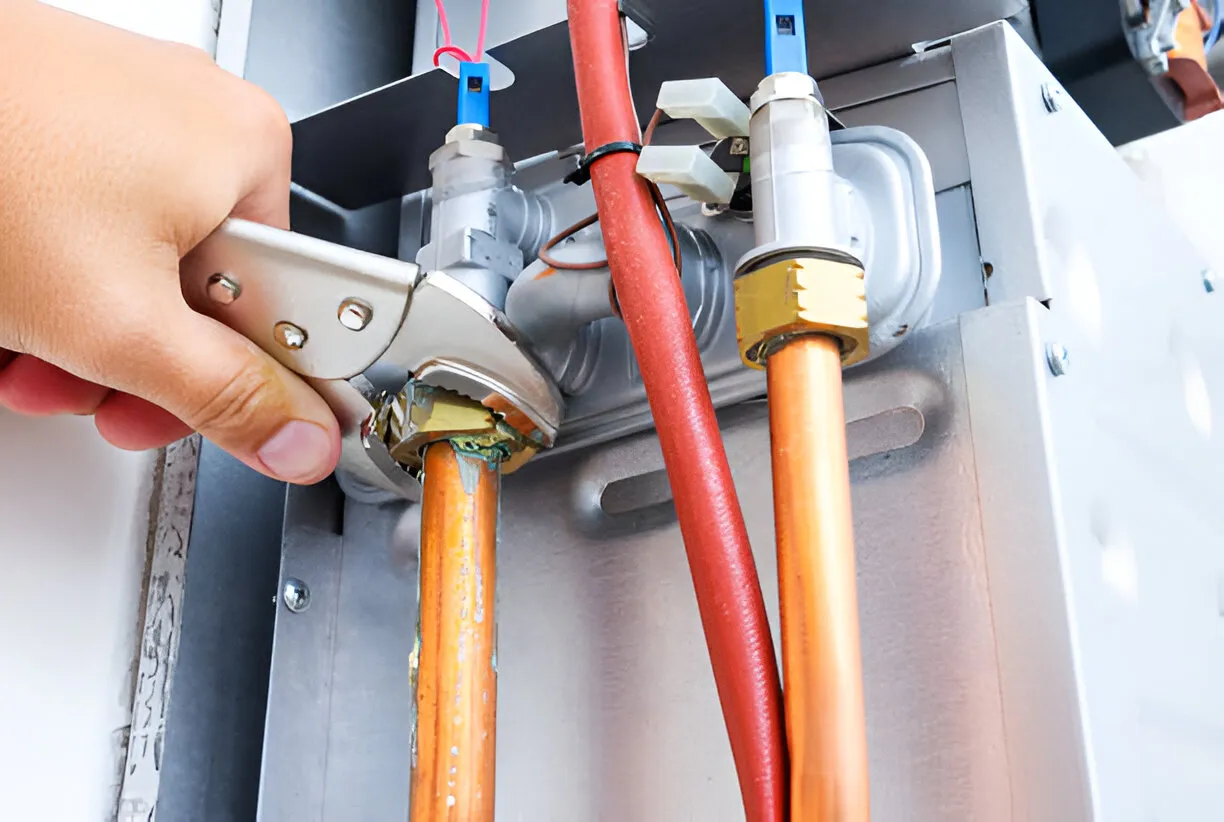
Why a tune up matters in Lancaster, OH
Lancaster homes range from newer builds to century-old houses with unique duct layouts and older chimneys. Winters here are cold enough to put plenty of stress on heating systems, and freeze-thaw cycles can worsen venting or duct problems. A tune up before the heating season helps ensure your furnace handles sustained workloads reliably and runs at peak efficiency when you need it most.
What a furnace tune up includes
A full tune up covers safety, performance, and efficiency checks. Typical components and tasks include:
- Filter check and replacement
Inspecting the air filter and replacing it if dirty. A clean filter improves airflow, reduces wear, and protects blower motors. - Burner and ignition inspection and adjustment
Cleaning burners, inspecting the ignition system or pilot assembly, and adjusting flame patterns for efficient combustion. This is especially important for natural gas furnaces common in Lancaster. - Safety control tests
Verifying operation of limit switches, pressure switches, flame sensors, and other safety devices. These tests reduce the risk of overheating and unsafe operation. - Heat exchanger and venting visual check
Looking for visible cracks, corrosion, or vent blockages. Proper venting prevents combustion gases from accumulating in the home. - Efficiency verification
Measuring how the system performs under load, checking temperature rise across the heat exchanger, and noting signs of incomplete combustion that increase fuel use. - Thermostat calibration
Ensuring the thermostat reads and responds correctly so your heating cycles match actual home temperature needs. - Blower motor and airflow assessment
Cleaning and lubricating bearings if applicable, confirming blower speed, and checking duct connections for leaks or blockages. - Electrical inspection
Tightening connections, checking capacitors and relays, and ensuring safe electrical operation. - Final operational test and homeowner review
Running the furnace through a full cycle, documenting findings, and recommending needed repairs or service intervals.
Common furnace issues in Lancaster homes
These are the problems a tune up helps identify or prevent:
- Short cycling or frequent on/off cycles
- Weak or inconsistent airflow in rooms, often from clogged filters or duct leaks
- Delayed ignition or repeated ignition failures
- Yellow or flickering flame indicating combustion problems
- Rising heating bills without changes in usage
- Unusual odors on startup or when running
- Carbon monoxide risks from poor venting or cracked heat exchangers
The diagnostic and tune-up process — step by step
A good tune up follows a structured process so nothing is missed:
- Initial inspection — Visual check of furnace location, venting, and any signs of leaks or corrosion.
- Filter and airflow — Replace filter if needed and test static pressure to assess duct health.
- Combustion and burner checks — Clean burners, observe flame, and confirm combustion efficiency within safe parameters.
- Safety tests — Exercise limit switches and safety interlocks, test flame sensors and pressure switches.
- Thermostat and controls — Calibrate thermostat, test cycle timing and response.
- Electrical and mechanical — Tighten connections, inspect motor and belts, lubricate moving parts where applicable.
- Final verification — Run system, measure temperature rise, check for unusual noises, and provide a written report of findings and recommendations.
Typical repairs and solutions discovered during a tune up
A tune up often reveals minor issues that are inexpensive to fix but can prevent major failures:
- Replacing dirty air filters and cleaning return vents
- Cleaning or replacing flame sensors and igniters
- Sealing duct leaks or reconfiguring dampers to restore balanced airflow
- Adjusting or replacing thermostats for better control and efficiency
- Repairing or replacing worn blower motors or belts
- Addressing venting blockages or making recommendations for chimney cleaning in older homes
- Identifying cracked heat exchangers that require prompt attention due to safety concerns
Major repairs such as heat exchanger replacement or furnace replacement are less common but a tune up helps detect them early when options for repair or planned replacement are clearer and less costly.
Benefits of regular furnace tune ups for Lancaster homeowners
- Improved reliability during cold weather — Reduces the chance of breakdowns on the coldest days.
- Lower energy bills — Efficient combustion and proper airflow cut fuel consumption.
- Longer equipment life — Routine maintenance reduces wear on major components.
- Improved indoor air quality — Cleaner filters and duct checks reduce dust and allergens.
- Enhanced safety — Safety control checks and venting inspections lower the risk of carbon monoxide hazards.
- Predictable maintenance costs — Early detection of issues lets homeowners plan repairs rather than face emergency replacements.
Maintenance-plan discounts and recommended timing
For ongoing protection, many homeowners enroll in maintenance plans that include annual or biannual tune ups plus additional perks. Typical plan benefits include priority scheduling, defined seasonal inspections, and service discounts. Maintenance-plan members often receive a maintenance discount on repairs and service calls; many plans offer discounts in the 10 to 20 percent range, commonly around 15 percent on service calls. Given Lancaster winters, schedule your primary furnace tune up in late summer or early fall (September to October) so the system is ready before the cold. Homes with older systems or higher use may benefit from a second check in mid-winter.
Regular tune ups are an investment that pays back in reliability, safety, and lower operating costs. For Lancaster homeowners, a fall furnace tune up keeps your system prepared for the full winter load and ensures comfortable, efficient heating when you need it most.
Hot Deals & Cool Savings

.webp)
New Service Agreement Membership
.webp)
Any New Client Service
Next Service for Referring a New Client
New Service Agreement Membership
Any New Client Service
Next Service for Referring a New Client
.webp)
.webp)

Service Areas
