
Whole House Humidification in Columbus, OH
Whole house humidification installation in Columbus, OH improves comfort and health year-round. Learn more and schedule professional installation today.

Whole House Humidification in Columbus, OH
Keeping indoor humidity in the right range is one of the simplest ways to improve comfort, protect your home, and support family health in Columbus, OH. Whole house humidification systems condition the air throughout your HVAC ductwork so every room maintains a consistent humidity level. For Columbus homes, where cold, dry winters and humid summers create seasonal extremes, professional whole house humidification helps prevent dry skin, respiratory irritation, wood floor and furniture damage, and static shocks while reducing HVAC strain.
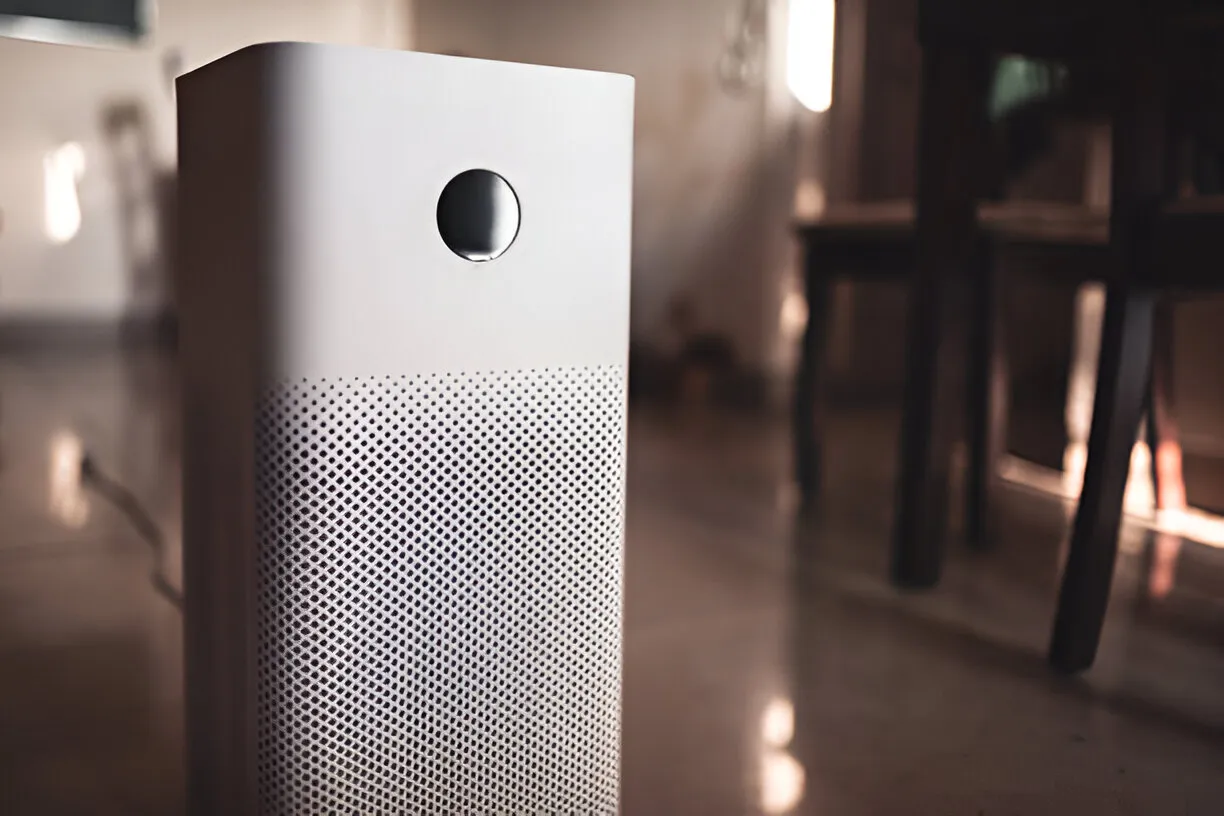
Why whole-house humidification matters in Columbus, OH
Columbus experiences cold, dry air from late fall through early spring. Running furnaces without added moisture often drops indoor relative humidity below 25 percent, which can:
- Increase respiratory irritation, nosebleeds, and sore throats.
- Cause shrinking, cracking, and gaps in wood floors, trim, and musical instruments.
- Make rooms feel colder, prompting higher thermostat settings and increased heating costs.Conversely, spring pollen and summer humidity spikes can affect allergy sufferers, so balanced indoor humidity year-round supports comfort and health.
Common whole house humidification issues in Columbus, OH
Homeowners frequently search for "common whole house humidification issues in Columbus, OH" when they notice problems. Typical concerns include:
- Inconsistent humidity between rooms due to improper sizing or ductwork distribution.
- Overhumidification in basements or poorly ventilated areas leading to condensation and mold risk.
- Scale buildup and mineral deposits in humidifiers in areas with hard water.
- Frequent unit cycling or failure to reach set humidity because of improper integration with the HVAC system.Identifying the root cause quickly prevents home damage and maintains indoor air quality.
Types of whole house humidifiers: pros and cons
Choosing the right technology depends on house size, water quality, budget, and control preferences.
- Steam humidifiers
- Pros: Fast, precise humidity control; effective for large homes; safe to use with cooler outside temperatures.
- Cons: Higher energy use and installation complexity; better suited for larger systems or homes needing high-output humidity.
- Bypass humidifiers
- Pros: Lower cost, simple design, uses furnace air movement to evaporate water; energy efficient when the furnace runs.
- Cons: Performance depends on furnace fan operation; may be less effective when heating cycles are short.
- Fan-powered humidifiers
- Pros: Independent fan provides consistent airflow and more reliable humidification even during short heating cycles.
- Cons: More moving parts can mean additional maintenance; slightly higher installation cost than bypass models.
Sizing and integration with HVAC
Accurate sizing ensures even humidity without overworking the system. Professionals size humidifiers based on:
- Square footage and ceiling heights.
- Airtightness and insulation of the home.
- Typical winter outdoor temperature and desired indoor humidity (commonly 30 to 45 percent in Columbus winters to avoid condensation).Integration steps include mounting the unit on the furnace or ductwork, connecting to the HVAC fan/blower controls, installing a supply and drain water line, and placing an accurate humidistat in a central location. Proper placement of the humidistat avoids false readings from kitchens, bathrooms, or near drafty doors.
Professional installation process
A professional installation follows clear diagnostic and safety steps to ensure long-term performance:
- Home assessment: Review floor plan, HVAC system type, attic/basement access, water supply quality, and existing duct layout.
- Load and sizing calculation: Determine gallons-per-day output required to achieve targeted indoor humidity in Columbus winter conditions.
- System selection: Recommend steam, bypass, or fan-powered model based on needs and water hardness considerations.
- Mechanical installation: Mount humidifier, connect to furnace/duct, run water supply and drain lines with proper valves, and wire to HVAC controls and humidistat.
- Control setup and testing: Calibrate humidistat, verify integration with the furnace blower, confirm no duct leakage, and run system through cycles to check performance.
- Demonstration and care briefing: Explain controls, seasonal settings, and routine tasks for the homeowner.
Routine maintenance and seasonal recommendations
Regular maintenance keeps the system efficient and prevents common failures. Seasonal guidance for Columbus homeowners:
- Pre-winter start-up: Clean or replace pads/evaporator panels, inspect seals, and verify drain and water lines are clear.
- Monthly to quarterly checks during operation: Inspect for mineral buildup, clean filters, and confirm humidistat accuracy.
- Spring winterize: As heating season ends, shut off the humidifier, flush remaining water, and inspect for corrosion or wear.
- Hard water mitigation: If you have hard water, install a water softener or choose a model with an easy-to-replace evaporator pad to limit scale buildup.Maintaining a target of 30 to 45 percent relative humidity in winter reduces condensation on windows while preventing overly dry air.
Health, comfort, and home benefits
Whole house humidification delivers measurable benefits for Columbus homes:
- Health: Easier breathing, fewer cold symptoms, reduced nose and throat dryness, and less static shock.
- Comfort: Warmer-feeling air at lower thermostat settings, improved sleep quality, and more comfortable skin.
- Home protection: Less shrinkage and cracking of wood floors and trim, reduced furniture and instrument damage, and fewer dust particles circulating.
- Efficiency: Optimized humidity can allow lower thermostat settings while maintaining comfort, lowering heating energy use.
Troubleshooting tips
Quick checks can resolve many issues before calling a professional:
- System not humidifying: Verify furnace/blower runs and humidistat is set above current humidity. Check water supply valve and inspect for clogged inlet or scale.
- Uneven humidity: Ensure humidistat location is central; balance registers and inspect for blocked vents or closed doors that isolate zones.
- Visible condensation or mold: Reduce humidity setting immediately, check for inadequate ventilation or basement moisture sources, and inspect for duct leaks.
- High mineral buildup: Flush system, replace pads, and consider a water treatment solution or switch to a model less affected by hard water.If you encounter persistent leaks, electrical problems, or mold growth, professional assessment is recommended to avoid structural damage.
Hot Deals & Cool Savings

.webp)
New Service Agreement Membership
.webp)
Any New Client Service
Next Service for Referring a New Client
New Service Agreement Membership
Any New Client Service
Next Service for Referring a New Client
.webp)
.webp)

Service Areas
