
Heat Pump Tune-Up in Columbus, OH
Heat Pump Tune Up in Columbus, OH improves efficiency and comfort; schedule a full professional tune-up to prevent breakdowns. Learn more today.

Heat Pump Tune Up in Columbus, OH
Keeping your heat pump running reliably and efficiently is essential in Columbus, OH, where hot, humid summers and cold, changeable winters put variable demands on heating and cooling equipment. A professional Heat Pump Tune Up in Columbus, OH addresses performance gaps before they become emergency repairs, lowers operating costs, and keeps your home comfortable year round. Below is a detailed tune-up checklist, the expected time each service takes, recommended seasonal scheduling, and the performance benefits you can expect after a professional tune-up.
Why a tune up matters in Columbus homes
Columbus sees both summer humidity that stresses cooling performance and winter temperature swings that can trigger frequent defrost cycles. That environment contributes to typical heat pump problems like reduced capacity, frozen coils, higher energy use, and premature component wear. A thorough tune up corrects small issues, improves efficiency, reduces breakdown risk, and helps ensure predictable comfort through seasonal transitions.
Common heat pump tune up issues in Columbus
- Reduced airflow due to dirty filters, clogged coils, or failing blowers
- Low refrigerant or pressure imbalances caused by leaks or improper charge
- Worn electrical components such as capacitors, contactors, and relays
- Thermostat calibration errors leading to short cycling or temperature swings
- Defrost cycle failures and reversing valve problems in cold weather
- Corrosion or debris buildup on outdoor coils from road salt, pollen, and yard debris
- Drain clogs and condensate issues that can cause indoor moisture problems
Detailed professional tune-up checklist
A complete tune up follows a systematic inspection and adjustment process. Each item below is standard for a professional service in Columbus homes and is explained so you know why it matters.
- Visual system inspection
Inspect units for physical damage, refrigerant line insulation, cabinet seals, and signs of corrosion from road salt or moisture. - Electrical components inspection
Check contactors, capacitors, breakers, fuses, wiring connections, and motor amps to identify worn parts and electrical faults that can lead to failures. - Thermostat calibration and control checks
Verify thermostat settings, recalibrate sensor readings if needed, and confirm correct staging, setpoints, and programmable schedules. - Refrigerant level and system pressures
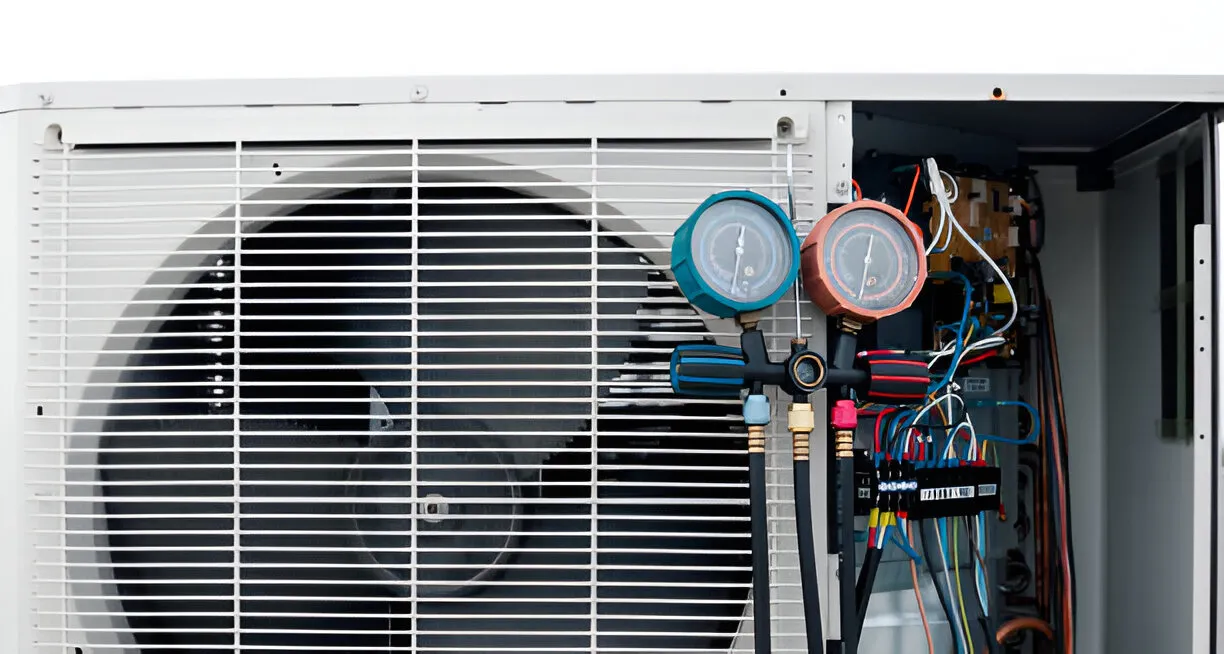
Measure high and low side pressures and compare to specifications. Identify leaks, correct charge where possible, and document pressure imbalances that affect capacity. - Coil cleaning (evaporator and condenser)
Remove dirt, pollen, and debris from coils to restore heat transfer. Clean outdoor coils to combat Columbus pollen and road residue that reduce efficiency. - Fan and blower checks
Inspect blower wheel, motor bearings, fan blades, and belts. Measure airflow and replace or adjust parts that reduce circulation. - Safety controls review
Test high and low pressure safety switches, float switches, and defrost controls to ensure reliable operation and prevent damage. - Defrost cycle and reversing valve test
Simulate cold conditions and confirm proper defrost timing and reversing valve operation so your system performs during freezing nights. - Condensate drain and pan inspection
Clear clogs, check drain slope, and confirm proper condensate removal to prevent indoor leaks and mold growth. - Lubrication and mechanical adjustments
Lubricate moving parts where applicable and tighten chassis components and fasteners to reduce noise and wear. - Air filter inspection and recommendation
Inspect filter condition, replace if needed or recommend proper MERV level and replacement frequency for your home. - Performance test and documentation
Run the system under load, record temperatures and pressures, measure amp draw, and create a service report with recommendations.
Expected service duration
- Typical single-zone split system: 60 to 90 minutes
- Larger homes, multi-zone systems, or units needing refrigerant service and repairs: 90 to 150 minutes
Duration varies with system complexity, accessibility, and whether follow-up repairs or parts replacement are needed.
Recommended seasonal scheduling for Columbus, OH
- Annual minimum: Schedule at least one professional tune up per year.
- Optimal timing: Fall tune ups before the heating season and spring tune ups before the cooling season. In Columbus, a fall tune up is especially valuable to verify defrost controls and heat pump readiness for cold snaps, while a spring visit prepares the system for high-humidity cooling loads.
- Older or high-use systems: Consider twice-yearly tune ups for systems over 10 years old or properties with heavy year-round use.
Performance benefits after a professional tune up
- Improved energy efficiency: Properly charged, clean, and calibrated systems often operate 10 to 25 percent more efficiently, which reduces utility bills.
- More consistent comfort: Better temperature control and airflow reduce hot and cold spots and stabilize indoor humidity.
- Fewer breakdowns: Identifying worn electrical parts and refrigerant leaks reduces the risk of costly emergency repairs during extreme weather.
- Extended equipment life: Regular maintenance reduces stress on compressors, motors, and controls, helping the system reach or exceed its expected lifespan.
- Improved indoor air quality: Clean coils, proper drainage, and fresh filters lower dust, mold, and allergen risks inside the home.
What to expect during the inspection process
A professional will start with a visual safety check and power-off inspection, move to electrical and control verification, measure refrigerant pressures, clean coils and filters, test airflow and defrost operation, and finish with a performance test. You will receive a clear summary of findings and recommended next steps. The goal is to ensure safe, efficient operation and to prioritize repairs that prevent larger failures.
Homeowner maintenance tips between tune ups
- Replace or clean filters every 1 to 3 months depending on use and filter type.
- Keep 2 to 3 feet of clearance around outdoor units and remove debris after storms or lawn work.
- Program thermostats to reduce unnecessary cycling and avoid extreme setpoints.
- Check condensate drains periodically for slow drainage or pooling.
- Monitor energy bills and comfort levels; sudden changes often indicate an emerging issue.
A professional Heat Pump Tune Up in Columbus, OH is an investment in comfort, reliability, and lower operating costs. Regular preventive maintenance tailored to Columbus climate challenges will help your system perform better when you need it most.
Hot Deals & Cool Savings

.webp)
New Service Agreement Membership
.webp)
Any New Client Service
Next Service for Referring a New Client
New Service Agreement Membership
Any New Client Service
Next Service for Referring a New Client
.webp)
.webp)

Service Areas
