
Heating Replacement in Lancaster, OH
Heating replacement in Lancaster, OH: learn how to decide between repair and replacement, and schedule installation with trusted pros.

Heating Replacement in Lancaster, OH
Replacing your home heating system is a major decision for Lancaster, OH homeowners. With cold Central Ohio winters, older housing stock, and rising energy costs, choosing whether to repair an aging furnace or replace it outright impacts comfort, safety, and long-term expenses.
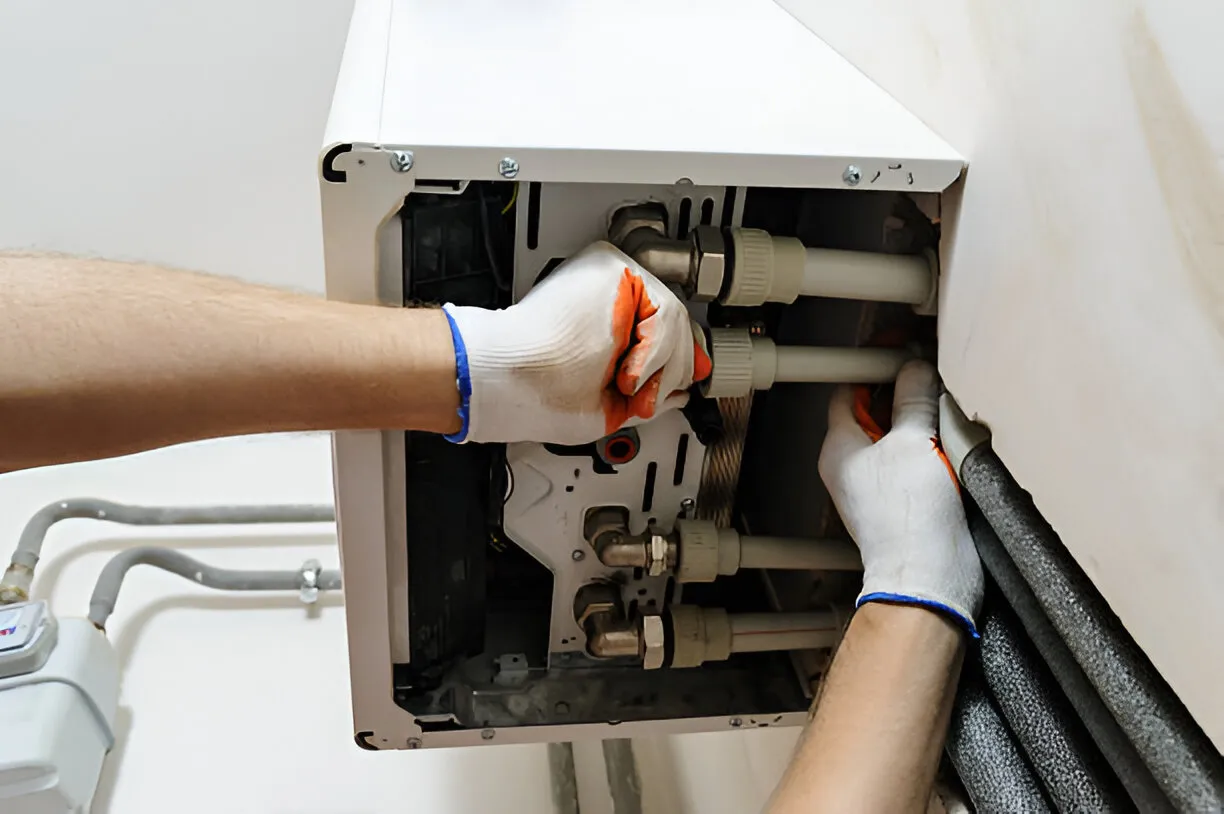
When to repair vs replace: key signs to consider
Deciding between repairing a furnace or replacing it comes down to age, performance, safety, and cost-effectiveness.
- Age of the system: Furnaces older than 15–20 years typically have much lower efficiency and more frequent failures. Older boilers and furnaces often lack modern safety and efficiency features.
- Frequency and cost of repairs: If you’re calling for repairs multiple times a year or a single repair is approaching a significant portion of the replacement cost, replacement is usually the better investment.
- Energy bills and efficiency: Rising heating costs for the same runtime often indicate deteriorating efficiency. Modern high-efficiency furnaces and heat pumps deliver notable energy savings in Lancaster’s heating-heavy months.
- Safety concerns: Persistent carbon monoxide alarms, cracked heat exchangers, or repeated combustion issues warrant replacement for safety reasons.
- Comfort and zoning: If rooms remain cold despite repeated repairs, the system may be undersized or ductwork may be compromised—conditions where replacement and proper sizing produce the best results.
- Availability of parts: Older or obscure models can be costly to repair because parts are scarce.
Common heating replacement types in Lancaster, OH
Lancaster properties commonly consider these options:
- Gas furnace replacement (most common): High-efficiency modulating and variable-speed furnaces provide better comfort and energy savings.
- Boiler replacement: For homes with hydronic heating, modern condensing boilers improve efficiency significantly.
- Heat pump conversion: Air-source heat pumps, including cold-climate and ductless options, are increasingly viable in Central Ohio and can provide both efficient heating and cooling.
- Hybrid systems: Pairing a heat pump with a gas furnace for backup blends efficiency with winter reliability.
System evaluation: what professionals inspect
A thorough evaluation determines if replacement is necessary and which system suits your home:
- Full safety and performance check: Combustion safety, CO testing, flue inspection, and blower performance.
- Efficiency measurement: Assessing current AFUE or HSPF/SEER for heat pumps to estimate potential savings.
- Repair history review: Frequency and type of prior repairs to gauge remaining useful life.
- Ductwork and distribution: Inspecting leaks, insulation, and sizing of ducts—leaky or poorly sized ducts can negate benefits of a new unit.
- Insulation and envelope assessment: Homes in Lancaster with older windows or minimal insulation will benefit more from efficient equipment plus envelope improvements.
- Load calculation (Manual J): Accurate heating load sizing is critical—oversized equipment cycles poorly and wastes energy while undersized units fail to meet comfort needs.
Equipment sizing and selection
Proper equipment sizing using a Manual J calculation is essential. Considerations include:
- Square footage, building orientation, window types, insulation levels, and local climate data for Lancaster, OH.
- Choosing variable-speed blowers and modulating burners or compressors for smoother operation and better humidity control.
- Matching distribution (ducted vs ductless) and controls (smart thermostats, zoning) to household habits and layout.
Removal and disposal of old units
Safe, code-compliant removal includes:
- Disconnecting fuel lines, electrical, and venting following local codes.
- Proper recovery and recycling of refrigerants for heat pumps.
- Recycling metal and disposing of non-recyclable components per local regulations.
- Securing any needed permits and scheduling inspections where required.
Installation process and quality checks
A professional installation typically follows these steps:
- Site preparation and old-unit removal.
- Ductwork repairs or modifications as needed.
- Properly sized unit installation, venting or refrigerant line connections, and system integration.
- Commissioning: combustion testing (for gas systems), airflow balancing, leak testing (for refrigerants), and static pressure checks.
- Thermostat configuration and homeowner system orientation.
- Final inspection and documentation of work and warranties.
Typical timeline for a replacement project
Timeline depends on system type and home complexity:
- Simple like-for-like furnace swap: Often completed in one day.
- Furnace plus minor duct repairs or thermostat upgrade: 1–2 days.
- System change (boiler to furnace or heat pump conversion) or major ductwork: Several days to a week.
- Historic or hard-to-access homes in Lancaster: Additional time may be needed for custom work or permits.
Project cost factors (what affects your investment)
Rather than specific price figures, consider these variables that influence total project cost:
- Type and efficiency rating of the new equipment.
- Extent of ductwork repair or replacement and need for zoning.
- Complexity of removal (older homes, tight spaces, historic considerations).
- Need for new venting, gas line work, or electrical upgrades.
- Added features such as air filtration, humidification, or smart controls.
- Permit and inspection requirements in Lancaster and Fairfield County.
Rebates, tax credits and financing options
Homeowners in Lancaster often qualify for a mix of incentives:
- Federal tax credits for qualifying high-efficiency equipment or electrification projects (subject to current rules).
- State or local utility rebates for high-efficiency furnaces, heat pumps, and weatherization upgrades.
- Manufacturer and contractor financing programs and low-interest loan options tailored to energy-efficiency improvements.
Check current programs before budgeting, as incentive availability and eligibility change over time.
Long-term benefits of timely replacement
Replacing an aging system delivers measurable advantages:
- Improved comfort and consistent temperatures across rooms, with reduced cold spots.
- Lower energy bills through higher AFUE/HSPF ratings and advanced blower technology.
- Fewer emergency repairs and greater reliability during Lancaster’s coldest months.
- Better indoor air quality when paired with upgraded filtration and proper duct sealing.
- Extended home value and appeal, especially in markets where efficient systems are a selling point.
- Reduced environmental impact with more efficient combustion or electrified heating options.
Maintenance and getting the most from a new system
To maximize the lifespan and efficiency of a replacement system:
- Schedule annual professional tune-ups and safety inspections.
- Replace filters regularly and inspect vents and returns for blockage.
- Keep ducts sealed and insulated where accessible.
- Use programmable or smart thermostats and set sensible temperature schedules during the heating season.
- Consider a maintenance agreement to preserve warranties and reduce emergency costs.
Replacing your home heating system in Lancaster, OH is a technical and financial decision that pays off when guided by accurate evaluation, proper sizing, and quality installation. A thoughtful approach tailored to local weather patterns, home characteristics, and available incentives results in lasting comfort, safety, and cost savings.
Hot Deals & Cool Savings

.webp)
New Service Agreement Membership
.webp)
Any New Client Service
Next Service for Referring a New Client
New Service Agreement Membership
Any New Client Service
Next Service for Referring a New Client
.webp)
.webp)

Service Areas
