
Mini Split Repair in Columbus, OH
Mini Split Repair in Columbus, OH: expert diagnostic and repair for ductless systems. Schedule service today for reliable comfort.

Mini Split Repair in Columbus, OH
Ductless mini-split systems are a popular choice for Columbus homes because they deliver zoned comfort without ductwork. When a mini-split fails, it can quickly disrupt comfort during Ohio’s hot, humid summers or chilly shoulder seasons.
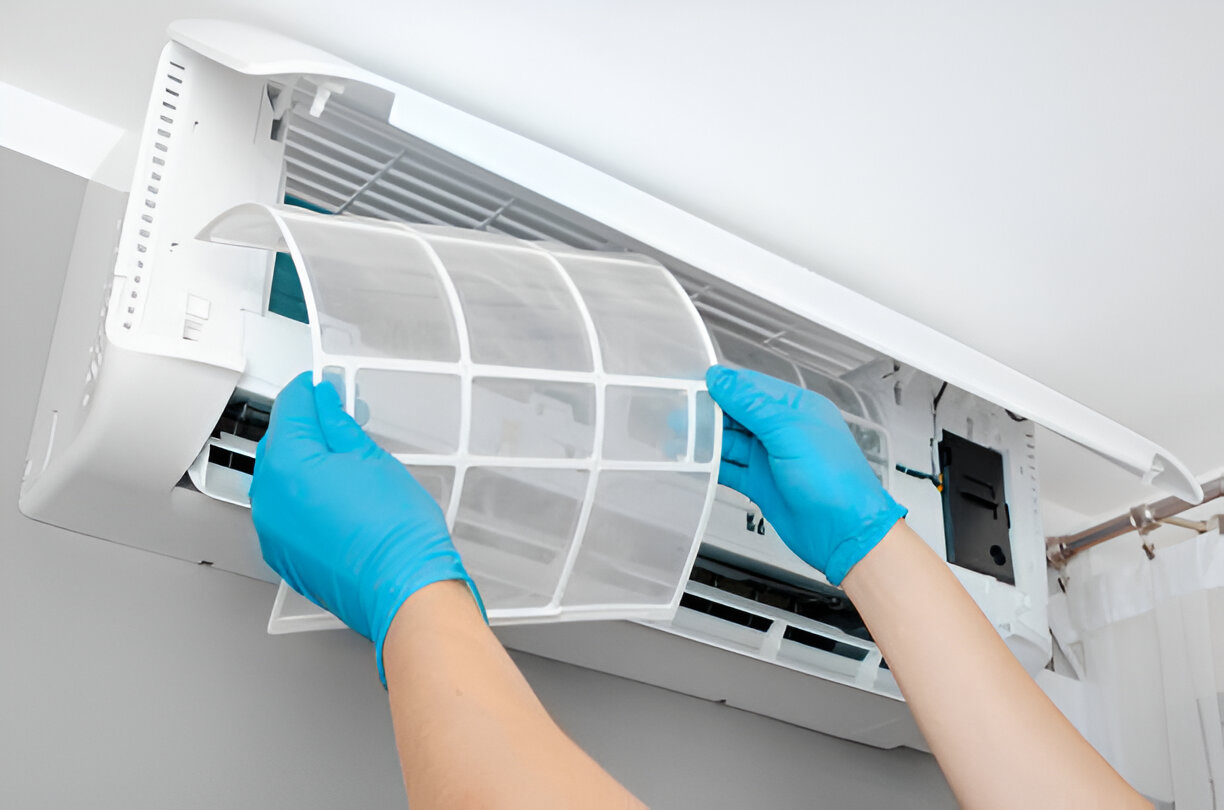
Common mini-split issues in Columbus, OH
Columbus homeowners typically see these failure modes in ductless systems, often influenced by seasonal use and local weather:
- Compressor failure — Signs include no cooling from the outdoor unit, loud starting noises, or repeated compressor lockouts. Heat pump compressors can suffer from wear, low refrigerant, or electrical faults.
- Inverter/PCB problems — Modern mini-splits use inverter-driven compressors and electronic control boards. Error codes, intermittent operation, or complete non-starts often trace to inverter or control board faults.
- Refrigerant leaks — Low refrigerant pressures reduce capacity and can lead to compressor damage. Leaks commonly occur at fittings, brazed joints, or damaged line sets.
- Controls and sensors — Faulty indoor sensors, remote control problems, or poor communication between indoor and outdoor units cause short cycling or incorrect temperature control.
- Airflow and drainage issues — Dirty indoor coils, blocked filters, or clogged condensate drains create frozen coils or water leaks inside the living space.
- Electrical and outdoor unit damage — Power surges, rodent damage to wiring, or corrosion from salt and de-icing chemicals can cause failures unique to regional conditions.
On-site diagnostic and troubleshooting procedures
A systematic on-site diagnosis prevents unnecessary repairs and pinpoints the root cause:
- System history and symptom interview — Review when the issue began, recent events (storms, power outages), and any error codes displayed.
- Visual inspection — Check indoor and outdoor units, line sets, connections, filters, and condensate drainage for obvious issues.
- Electrical testing — Measure voltages, current draw on the compressor and fan motors, and check control voltages to detect shorts, bad relays, or inverter faults.
- Refrigerant and pressure checks — Read suction and discharge pressures and compare them to manufacturer specifications. Use leak-detection tools when pressures are low.
- Component-level checks — Test indoor blower motors, outdoor fan motors, reversing valve, thermostats/controllers, and sensors.
- Error-code analysis and software checks — Read inverter and controller fault codes and verify firmware/communication between components.
- Airflow and temperature verification — Measure supply and return temperatures to confirm capacity and airflow performance.
Technicians document findings and explain recommended repairs along with alternatives such as temporary measures to restore operation while parts are ordered.
Typical repairs and parts replacement
Common repairs for Columbus mini-splits include:
- Compressor replacement or reconditioning — Required when mechanical failure or burn-out occurs; often paired with oil and filter drier changes and evacuation procedures.
- Inverter/PCB replacement — Swapping the electronic control module or inverter board when diagnostics show electrical failure.
- Refrigerant leak repair and recharge — Locating and repairing leaks, replacing compromised line sections or fittings, vacuum evacuation, and charging with the correct refrigerant type while following EPA regulations.
- Fan and motor replacement — Indoor blower or outdoor fan motor replacements to restore airflow and heat transfer.
- Sensor, thermostat or remote control replacement — Replacing indoor sensors or communication modules when controls are unreliable.
- Drain and coil service — Cleaning or replacing condensate pumps, clearing drain lines, and cleaning coils to stop water leaks or frozen evaporator coils.
- Line set and connection repair — Repairing insulation, fittings, or damaged copper lines caused by corrosion or physical damage.
When a repair is unlikely to restore reliable operation or the system is older with repeated failures, technicians will document the reasons and recommend replacement options.
Emergency response and repair timelines
Emergency response priorities in Columbus vary by season. Typical timelines are:
- Initial diagnosis — 30 minutes to 2 hours on-site depending on system complexity.
- Simple repairs (filters, sensors, controls, minor wiring) — Often completed the same visit.
- Moderate repairs (fan motors, indoor unit parts, control boards) — Frequently completed within 1 business day if parts are in stock.
- Major repairs (compressor, line set replacement, refrigerant recovery and rework) — May require 1 to several business days because of parts availability, refrigerant handling, and required evacuation procedures.
Repair duration depends on parts availability, whether factory-original parts are required, and any required municipal permitting or electrical work. Cost factors include the failed component, labor complexity, refrigerant type, and whether rework of the line set or roof/ground mounted hardware is needed. Estimates should be based on a diagnostic visit that identifies the exact failure modes.
Technician qualifications and safety standards
Proper mini-split repair requires certified professionals who follow safety and regulatory standards:
- EPA 608 certification for safe handling and disposal of refrigerants.
- Manufacturer factory training for specific inverter-driven models to correctly interpret fault codes and firmware updates.
- Electrical competency to diagnose and safely isolate high-voltage components and perform lockout/tagout procedures.
- Proper tools and leak-detection equipment including micron gauges, recovery machines, vacuum pumps, and electronic leak detectors.
- Workplace safety practices for ladder use, rooftop access, and weather-related hazards common in Columbus.
Technicians should provide written repair notes, parts documentation, and any manufacturer claim forms required for warranty processing.
Warranty, aftercare, and maintenance
After a repair, homeowners should expect:
- Parts and labor warranty terms — Manufacturer parts warranties and shop labor guarantees vary; documentation should be provided that states the covered components and duration.
- Aftercare checks — A short follow-up or system check after repairs to verify proper operation and thermostatic balance.
- Maintenance recommendations — Regular filter changes, seasonal coil cleaning, condensate line inspection, and annual refrigerant pressure checks extend system life—particularly important in Columbus where summer humidity increases load on the system.
- Service plan benefits — Membership or maintenance agreements commonly include priority scheduling, discounted service calls, and routine tune-ups that reduce emergency repairs and improve efficiency.
Keeping a clear repair record and date-stamped service logs helps with warranty claims and future troubleshooting.
What to expect when scheduling service
Scheduling typically involves providing system make and model, description of symptoms, and preferred appointment windows. Expect an appointment confirmation and a technician arrival window. Technicians will usually perform an initial diagnostic, explain findings in plain language, and present repair options along with estimated timelines for parts and completion.
Mini-split repair in Columbus requires a balance of electronic diagnostics, refrigerant management, and mechanical work—especially given local climate stresses. Timely diagnosis and repair protect system efficiency, reduce energy use during hot summers, and prevent more costly failures later in the season.
Hot Deals & Cool Savings

.webp)
New Service Agreement Membership
.webp)
Any New Client Service
Next Service for Referring a New Client
New Service Agreement Membership
Any New Client Service
Next Service for Referring a New Client
.webp)
.webp)

Service Areas
