
Heating Tune-Up in Lewis Center, OH
Schedule a professional heating tune up in Lewis Center, OH to improve efficiency and safety. Learn more and book today.

Heating Tune Up in Lewis Center, OH
A heating tune up in Lewis Center, OH keeps your furnace, boiler, or heat pump running safely, efficiently, and reliably through the cold central Ohio months. With winters that push systems to work harder and variable spring/fall conditions that expose small issues, a professional seasonal tune up prevents breakdowns when you need heat most, lowers energy bills, and helps your equipment reach its expected lifespan.
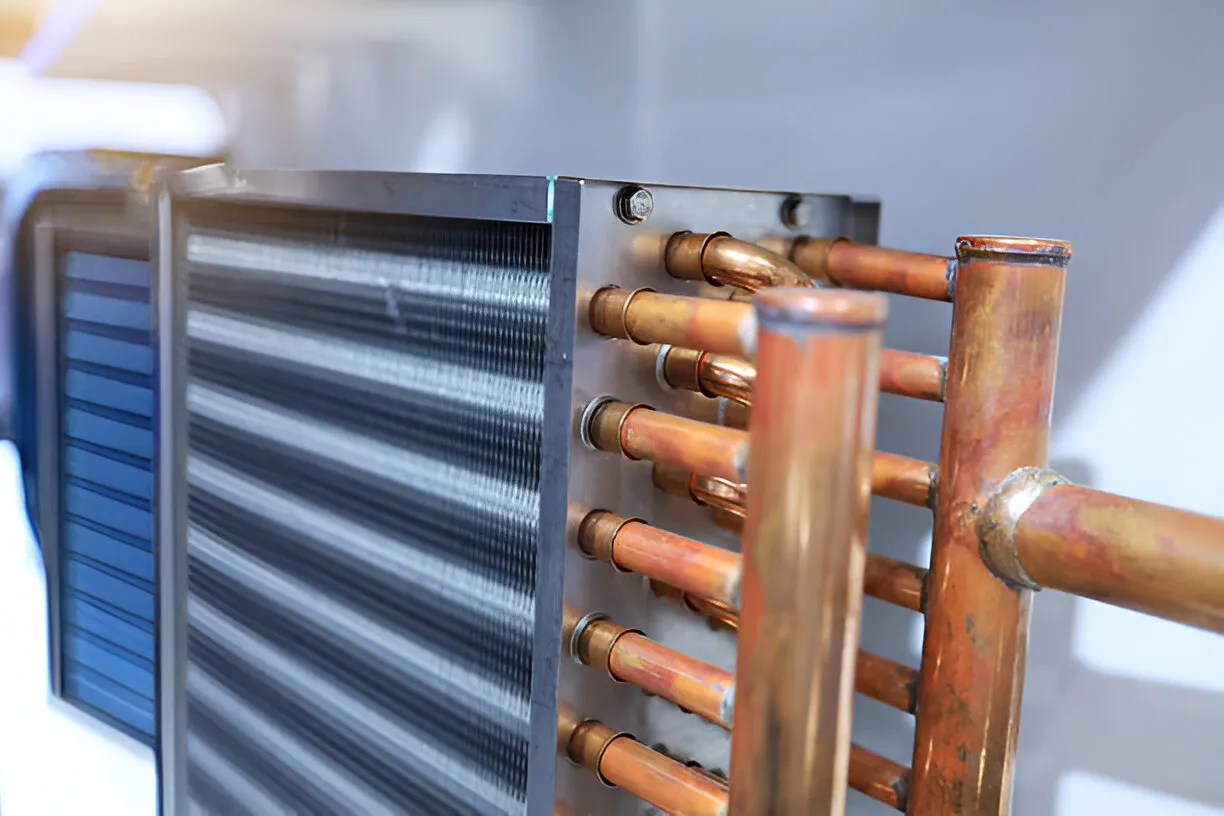
Common heating issues in Lewis Center homes
Lewis Center homes face the same wear-and-tear as other central Ohio properties, plus local factors like long winter runtime and spring pollen that can stress components. Typical problems uncovered by tune ups include:
- Dirty or clogged air filters restricting airflow and forcing systems to work harder
- Weak or inconsistent ignition (pilot, hot surface igniter) and burner issues that cause short cycling
- Faulty safety controls and limit switches that can trip the system or create unsafe conditions
- Thermostats that are poorly calibrated or located where readings are inaccurate
- Worn belts, bearings, and motors in older furnace blower assemblies
- Reduced combustion efficiency or cracked heat exchangers (safety concern)
- Low refrigerant or refrigerant leaks on heat pumps, reducing heating capacity
Seasonal checklist — What a heating tune up includes
A complete heating tune up follows a thorough, seasonal checklist to reduce surprises during peak cold periods. Key items include:
- Change or inspect air filters and recommend the correct MERV rating for your home
- Inspect and clean burner assembly and igniter/hot surface elements for reliable ignition
- Test safety controls, limit switches, and roll-out switches to ensure safe operation
- Calibrate thermostat and verify proper placement and function for accurate temperature control
- Check heat exchanger for cracks or corrosion that could pose carbon monoxide risks
- Measure gas pressure and combustion efficiency for gas furnaces; adjust as needed
- Inspect and lubricate blower motor bearings and moving parts; check belts and pulleys
- Verify proper airflow throughout the ductwork and check supply/return registers for blockages
- Inspect condensate lines and drains on high-efficiency systems to prevent clogs and freezeups
- Test electrical connections, capacitors, and relays for wear and safe operation
- On heat pumps: check refrigerant charge, defrost cycle, and reversing valve function
Each item is performed with safety and efficiency in mind, and findings are documented so you know the condition of your system heading into winter.
What to expect during the visit
A professional tune up is methodical and transparent. Typical steps during the appointment:
- System startup and visual inspection of visible components and flue/venting
- Filter check and replacement if needed, plus a quick inspection of surrounding airways
- Combustion and ignition testing for gas systems, including burner cleaning when necessary
- Electrical and mechanical checks: tighten connections, test capacitors, inspect belts
- Thermostat calibration and system operation checks across cycles to confirm stable performance
- Safety control tests and a final safety evaluation (including carbon monoxide risk indicators)
- A written summary of findings and recommended repairs or parts replacements
Most residential tune ups take 45–90 minutes depending on system type and condition. Technicians will identify any immediate safety issues and prioritize recommended repairs.
Recommended frequency and best timing
- Annual tune up for gas and oil furnaces and boilers, scheduled in early fall before the first sustained cold snap.
- Heat pumps benefit from twice-yearly checks (heating and cooling seasons), since they run year-round in many homes.
- Homes with advanced air quality needs, heavy dust, or pets may need filter checks more often (every 1–3 months).
- If your system is older than 10–15 years, annual inspections become more important to catch wear before failure.
If you notice strange odors, loud or new noises, uneven heating, frequent cycling, or rising energy bills, schedule a tune up sooner rather than later.
Benefits of regular heating tune ups for Lewis Center homeowners
- Improved fuel and energy efficiency, leading to lower utility bills during extended Ohio winters
- Greater reliability and fewer emergency repairs during cold spells when service times and equipment stress increase
- Enhanced safety through combustion checks, heat exchanger inspections, and functional safety controls
- Extended equipment life by reducing wear on motors, bearings, and moving parts
- Better indoor comfort with consistent temperatures and fewer cold spots
- Help maintaining manufacturer warranties that often require regular professional maintenance
Because Lewis Center winters can produce prolonged low temperatures, small efficiency gains translate to meaningful savings and peace of mind over a heating season.
Maintenance plans and long-term value
Joining a scheduled maintenance plan consolidates tune ups and ensures regular care. Common maintenance plan benefits include:
- Priority scheduling and seasonal reminders so your system is inspected before heavy use
- Discounts on service calls and parts during the membership period
- Pre-scheduled seasonal visits that combine safety checks and efficiency tune ups
- Documentation of maintenance history which can help with warranty claims and resale value
A formal plan turns tune ups from a one-off cost into a predictable part of homeownership that protects your comfort and investment.
Practical maintenance tips for homeowners in Lewis Center
- Replace or check filters monthly during peak winter runtime; use the recommended MERV level for your system
- Keep returns and supply vents clear of furniture and drapes to maintain proper airflow
- Set thermostat setbacks conservatively to reduce cycling but avoid extreme temperature swings that stress the system
- Test carbon monoxide detectors and change batteries seasonally—especially important with combustion heating
- Schedule professional tune ups in September or October to avoid the last-minute rush and ensure readiness
Regular small actions plus an annual professional inspection are the most reliable way to avoid emergency breakdowns.
A heating tune up in Lewis Center, OH is an investment in home safety, comfort, and efficiency. Proper seasonal maintenance reduces the chance of winter failures, lowers operating costs, and helps your heating system deliver steady, safe warmth through central Ohio’s coldest months.
Hot Deals & Cool Savings

.webp)
New Service Agreement Membership
.webp)
Any New Client Service
Next Service for Referring a New Client
New Service Agreement Membership
Any New Client Service
Next Service for Referring a New Client
.webp)
.webp)

Service Areas
