
Heating Installation in Lewis Center, OH
Heating Installation in Lewis Center, OH: professional home assessment, safe installation, warranties, financing options, and quick scheduling. Learn more.

Heating Installation in Lewis Center, OH
A properly installed heating system keeps your Lewis Center home comfortable, reduces energy waste, and protects equipment life through Ohio winters that routinely see subfreezing temperatures and variable humidity.
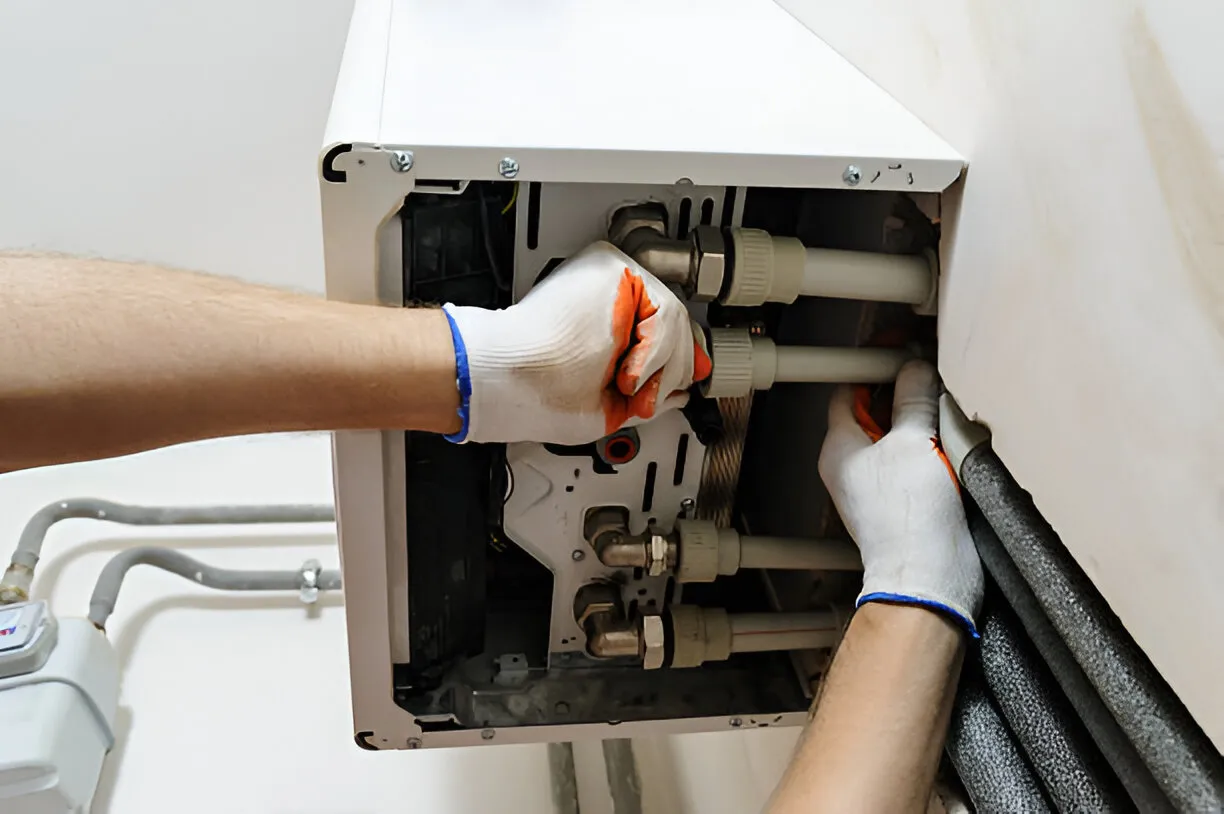
Why a professional heating installation matters in Lewis Center
Lewis Center experiences cold winters and wide temperature swings in shoulder seasons. That makes right-sizing and system configuration especially important. Oversized systems cycle more often and wear faster; undersized systems struggle on the coldest days. Proper installation affects safety (gas connections, venting), efficiency (airflow, ductwork), and long-term reliability — all critical in a community where homes range from older builds with aging duct systems to newer, tighter-construction suburban houses.
Common heating systems in Lewis Center homes
- Furnaces (natural gas, propane, or electric) — most common for single-family homes.
- Boilers (hot water/baseboard or radiant) — found in older or specialty homes.
- Heat pumps (air-source or ductless) — increasingly popular for efficiency and dual heating/cooling use.
- Ductless mini-splits — useful for additions, converted spaces, or homes without ducts.
Each system has different installation needs. The assessment and load calculation step determines the right type for your home.
Home assessment and load calculation
A professional installation begins with a thorough assessment:
- Visual inspection of existing equipment, ducts, vents, flueing, and combustion air provisions.
- Measurement of conditioned space, window areas, insulation levels, and orientation.
- Evaluation of the distribution system: duct size, leakage, insulation, and air handler access.
- A detailed heat loss calculation (commonly ACCA Manual J methodology) to determine the exact heating capacity required.
This step prevents common issues in Lewis Center, like undersized systems facing extended cold snaps or oversized units that short-cycle in milder months.
Equipment selection and energy-efficiency considerations
When choosing equipment, consider:
- AFUE rating for furnaces — higher AFUE equals greater fuel efficiency.
- HSPF/SEER for heat pumps — important for year-round operating cost.
- Modulating or two-stage operation to improve comfort and reduce cycling.
- Variable-speed blowers for quieter operation and better humidity control.
- Condensing technology for boilers and furnaces to maximize fuel-to-heat conversion.
- Compatibility with existing ductwork or need for ductwork upgrades.
- Smart thermostats and zoning options to improve comfort and reduce utility bills.
Local factors in Lewis Center — cold winters and growing interest in energy efficiency — often make high-efficiency equipment and proper airflow solutions worthwhile investments. Also check for available local utility rebates and national or state incentives for high-efficiency installations.
Installation steps (what happens on site)
A typical installation follows these stages:
- Pre-install prep: final measurements, delivery of new equipment, scheduling of any required trades (electrician, plumber).
- Old system removal: safe disconnection of fuel and electrical lines, careful removal of appliance and disposal per local regulations.
- Rough installation: positioning of new unit, framing and venting work, installation of gas or fuel lines, condensate and drainage, and electrical hookups.
- Duct and distribution work: sealing and insulation of ducts, register adjustments, and balancing of airflows.
- Final hookups: thermostat wiring, controls, and any accessory components (humidifier, air cleaner).
- Commissioning and tuning: setting operating parameters for peak efficiency and comfort.
Technicians follow manufacturer specifications and local code requirements at every step to ensure performance and safety.
Permitting and code compliance
Most heating installations in Lewis Center require a building or mechanical permit and an inspection upon completion. Permits ensure:
- Proper venting and combustion air for fuel-burning appliances.
- Safe gas line and electrical connections.
- Compliance with local and state mechanical codes.
A licensed installer will typically pull required permits and schedule inspections, ensuring installation passes code and protects your warranty eligibility.
Typical timelines
- Home assessment and equipment selection: 1 to 3 days (sometimes same day for straightforward cases).
- Permit processing: varies by jurisdiction, often 1 to 5 business days.
- Installation day(s): single-family furnace or heat pump installs are commonly completed in one to two days. Complex replacements (boilers, major ductwork changes, or multi-zone systems) may take several days.
- Final inspection and commissioning: scheduled after installation, often within a few business days of completion.
Seasonal demand in winter can extend lead times; early planning before the coldest months is advisable.
Post-install testing and commissioning
After installation, technicians perform:
- Combustion analysis for fuel-burning appliances to verify safe operation.
- Pressure and leak tests for gas lines.
- Airflow and temperature rise measurements to confirm proper sizing and distribution.
- Electrical safety checks and control verification.
- Demonstration of thermostat operation and user controls.
A detailed walkthrough of operating procedures and maintenance needs should be provided at handoff.
Warranty, registration, and maintenance
- Manufacturer warranties cover parts and, sometimes, compressors or heat exchangers for specific periods. Registration after installation is often required to obtain full coverage.
- Labor warranties vary by installer; ask about coverage duration for installation work.
- Routine maintenance (annual tune-ups) preserves efficiency, extends equipment life, and keeps warranties valid. In Lewis Center’s climate, annual pre-winter inspections are especially important.
Financing options and incentives
Many homeowners choose to finance a replacement for budget flexibility. Common options include:
- Contractor-arranged financing plans with fixed monthly payments.
- Home improvement loans or home equity lines for larger projects.
- Utility rebates and tax incentives for qualifying high-efficiency systems; availability varies and should be confirmed before purchase.Ask about warranty-preserving maintenance requirements tied to any incentives or rebates.
Final considerations and maintenance tips
- Right-sizing matters more than brand name — an accurately calculated system saves money and improves comfort.
- If your home has older or leaky ducts, factor duct improvements into the project for the best efficiency gains.
- Plan installations outside peak cold snaps when possible to shorten lead times.
- Keep records of permits, equipment serial numbers, and warranty registrations in a safe place.
A well-executed heating installation in Lewis Center, OH delivers reliable comfort through long winters, lower operating costs, and fewer emergency repairs. Proper assessment, code-compliant installation, thorough testing, and ongoing maintenance are the keys to lasting performance and peace of mind.
Hot Deals & Cool Savings

.webp)
New Service Agreement Membership
.webp)
Any New Client Service
Next Service for Referring a New Client
New Service Agreement Membership
Any New Client Service
Next Service for Referring a New Client
.webp)
.webp)

Service Areas
