
Heating Maintenance in Lewis Center, OH
Professional heating maintenance in Lewis Center, OH. Explore tune-up plans and member benefits for reliable system performance.

Heating Maintenance in Lewis Center, OH
A reliable heating system is essential for Lewis Center homes where cold, damp Ohio winters can push furnaces and boilers to work at peak capacity for months. Regular, professional heating maintenance prevents midwinter breakdowns, improves comfort, and reduces utility costs.
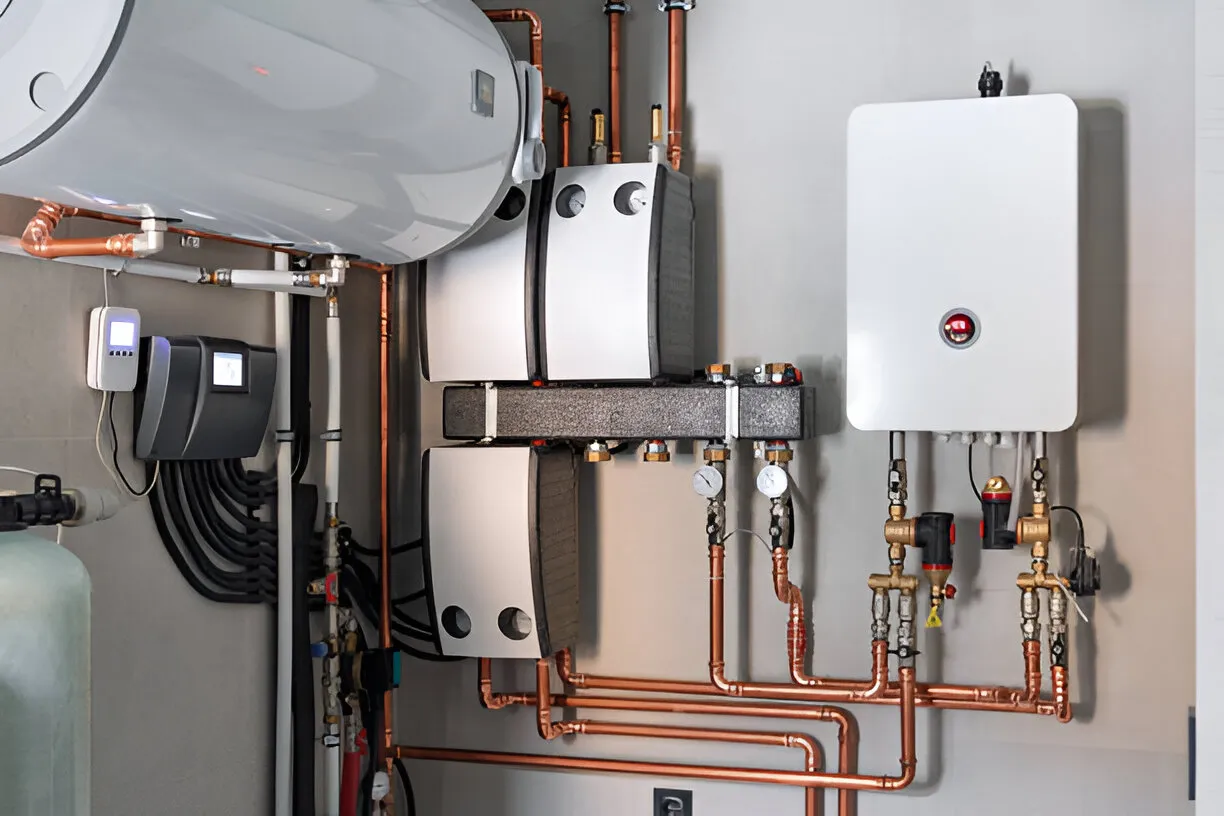
Why heating maintenance matters for Lewis Center homes
Lewis Center experiences cold winters and frequent temperature swings in shoulder seasons. Those conditions place extra stress on heating equipment and can exacerbate common issues like short cycling, clogged filters, and ignition problems. Regular maintenance:
- Keeps your system running efficiently through long heating seasons
- Reduces the risk of emergency repairs when temperatures drop
- Helps protect indoor air quality in homes that are closed up for winter
- Ensures safety checks for combustion appliances to reduce carbon monoxide risk
Maintenance program options and membership benefits
Most providers offer tiered maintenance plans tailored to different systems and homeowner needs. Typical options include:
- Basic Annual Tune-Up
- One annual heating inspection and basic cleaning designed for furnaces or boilers
- Biannual Full-Service Plan
- Two service visits per year (heating in fall, cooling in spring) for combined systems or for homeowners who want both seasonal checks
- Premium Membership
- Biannual inspections, priority scheduling during peak season, and additional diagnostics or small repairs included
Common membership benefits you can expect:
- Regular inspections and tune-ups (annual or biannual)
- Priority scheduling during peak heating season for members
- Discount on repairs and replacement parts (commonly a percentage off service calls)
- Waived or reduced diagnostic fees for members
- Documentation of service history to help with warranty compliance and resale value
- Emergency service access or expedited response for members
What a routine heating maintenance visit includes
A standard maintenance visit is a systematic inspection, cleaning, testing, and reporting process. For Lewis Center homes the technician will typically perform:
- Visual safety inspection of the system and venting
- Clean and inspect burners or heat exchanger for cracks and corrosion
- Check ignition system or pilot assembly and test ignition sequence
- Inspect, clean, or replace air filters and recommend MERV ratings appropriate for the home
- Lubricate motors and moving parts, tighten electrical connections
- Inspect blower assembly and measure airflow; clean as needed
- Test thermostat accuracy and recalibrate if necessary
- Check gas pressure and combustion efficiency on gas-fired equipment
- Inspect flue, chimney, and vent terminations for blockage or leaks
- Check condensate lines and drain pans for clogs and proper drainage
- For boilers: check pressure, relief valve, and zone controls
- Test safety controls and carbon monoxide detectors
- Provide a written report with findings, recommended repairs, and estimated costs (member discounts applied where available)
Technicians will also note signs of wear that could lead to failure and provide prioritized recommendations so homeowners can plan repairs before a breakdown.
How regular maintenance extends equipment life and lowers utility bills
Proper maintenance preserves efficiency and prevents the small issues that accelerate wear. The core benefits are:
- Improved efficiency: Cleaner burners, properly adjusted burners, and unrestricted airflow help the system deliver heat using less fuel or electricity, lowering monthly utility costs.
- Reduced stress on components: Tightening electrical connections, lubricating motors, and replacing worn belts reduce strain on the system, which helps parts last longer.
- Fewer emergency repairs: Catching problems early prevents sudden failures that often result in expensive emergency service calls and potential secondary damage.
- Warranty protection: Many manufacturers require routine maintenance to keep warranties valid; documented service visits protect warranty claims.
- Better indoor air quality: Regular filter changes and duct checks reduce dust and allergens circulating in the home, supporting healthier living conditions during long heating months.
In practical terms, homeowners typically see lower seasonal fuel usage and avoid major repairs longer by committing to annual or biannual maintenance. Exact savings vary with system age, type, and usage patterns, but routine care consistently reduces total lifecycle cost of heating equipment.
Common heating issues in Lewis Center and how maintenance helps
- Short cycling: Caused by poor airflow, thermostat issues, or improper sizing. Maintenance addresses airflow and control checks to prevent repeated starts and stops.
- Ignition or pilot failure: Seasonal tune-ups include ignition system inspection and cleaning to reduce no-heat calls.
- Cracked heat exchanger or combustion issues: Visual and combustion inspections during maintenance can detect early signs and flag them before they become safety hazards.
- Clogged filters and duct restrictions: Regular filter replacement and duct checks maintain airflow and system efficiency.
- Corrosion and moisture-related problems: Lewis Center’s cold, wet seasons can encourage corrosion; maintenance includes checks that limit moisture damage.
Enrollment and cancellation policies (typical)
While exact terms vary by provider, standard membership policies include:
- Enrollment: Membership begins after a signed service agreement and, where applicable, payment of any initial membership fee. Most providers schedule your first maintenance visit immediately or within the next available window.
- Agreement term and renewals: Plans may be annual or month-to-month. Annual plans often auto-renew unless canceled in writing before the renewal date.
- Scheduling and priority service: Members receive priority scheduling during peak heating months; specific response time windows vary by agreement.
- Cancellation: Providers commonly require written notice (for example, 30 days) prior to cancellation or nonrenewal. If you cancel mid-term, benefits end after the notice period; fees for already completed visits are not refunded.
- Transfers: Some memberships are transferable to a new homeowner with written notice and documentation.
- Modifications: Upgrading or downgrading plans is typically allowed at renewal or by contacting the provider; changes may be prorated depending on timing.
Review any membership contract carefully to confirm renewal terms, notice periods, and what constitutes emergency versus nonemergency service.
Seasonal checklist for Lewis Center homeowners
- Fall: Schedule a heating system tune-up before the first sustained cold spell. Replace or clean filters monthly if the system is used heavily.
- Winter: Monitor thermostat performance and listen for unusual sounds; members get priority scheduling for any urgent issues.
- Spring: If on a combined maintenance plan, schedule cooling system service to prepare for humid summers and reduce pollen-related issues.
- Ongoing: Keep vents and returns unobstructed, maintain clear access to equipment, and test carbon monoxide detectors monthly.
Regular heating maintenance in Lewis Center provides predictable comfort through cold months, lowers the risk of disruptive breakdowns, and helps manage long-term operating costs. A well-documented maintenance plan also adds value and peace of mind for homeowners who want dependable, efficient heating when they need it most.
Hot Deals & Cool Savings

.webp)
New Service Agreement Membership
.webp)
Any New Client Service
Next Service for Referring a New Client
New Service Agreement Membership
Any New Client Service
Next Service for Referring a New Client
.webp)
.webp)

Service Areas
