
Furnace Installation in Lewis Center, OH
Get a thorough furnace installation in Lewis Center, OH. From sizing to commissioning, our team ensures safety, efficiency, and comfort.

Furnace Installation in Lewis Center, OH
Replacing or installing a furnace is a major home decision in Lewis Center, OH. Winters here bring sustained subfreezing temperatures and occasional extended cold snaps, so a correctly sized, code-compliant furnace is essential for comfort, safety, and energy efficiency.
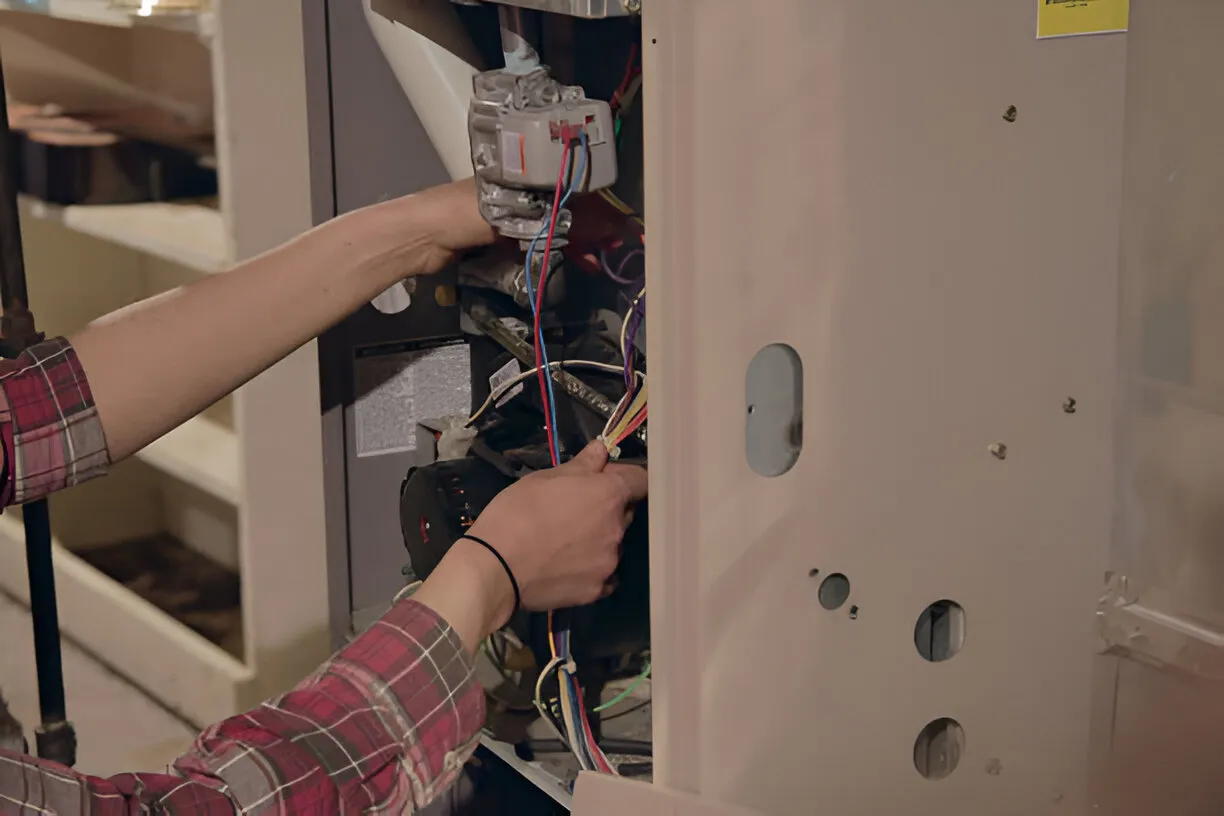
Why correct furnace installation matters in Lewis Center
- Winters in Lewis Center frequently demand reliable, continuous heating. An undersized unit will short-cycle and struggle to keep your home comfortable.
- Older homes in the area can have complex duct layouts or inadequate insulation, which affects load calculations and system selection.
- Fuel availability in the region is mostly natural gas, but some homes use electric or propane. Fuel type affects equipment choice and installation details.
- Proper installation reduces utility bills, lowers repair frequency, and improves indoor air quality in humid summers and cold winters.
Common furnace types and what suits Lewis Center homes
- High-efficiency gas condensing furnaces (AFUE 90%+): Best for natural gas homes looking to cut fuel costs. Require condensate drainage and PVC venting.
- Mid-efficiency gas furnaces (AFUE 80-90%): Lower upfront cost, still reliable for many homes, but less efficient long term.
- Electric furnaces: Simpler installation where gas is unavailable; higher operating costs in cold weather.
- Ductless heat pump systems / hybrid systems: Efficient alternatives for homes without ducts or for homeowners seeking heat pump efficiency with a gas furnace backup.
- Two-stage and modulating furnaces with variable-speed blowers: Provide steadier temperatures and better humidity/airflow control—useful in well-insulated Lewis Center homes.
Initial assessment and sizing (what to expect)
- A professional installer will perform a detailed home assessment, not just base recommendations on square footage. Expect:
- A Manual J load calculation to determine heating demand based on insulation, windows, orientation, occupancy, and local design temperatures for Lewis Center.
- A Manual D review if ductwork changes are needed to ensure proper air distribution.
- A Manual S equipment selection to match furnace capacity and efficiency to your home and budget.
- Addressing duct leaks or undersized ducts during the assessment often prevents performance problems after installation.
Equipment selection considerations
- AFUE rating: Higher AFUE means better fuel efficiency. Choose based on how long you plan to stay in the home and energy savings goals.
- Blower motor type: Variable-speed ECM motors improve comfort and reduce operating noise.
- Heat exchanger warranty: Look for durable designs and long heat exchanger warranties for long-term reliability.
- Compatibility with existing HVAC: Ensure the new furnace pairs correctly with your current air conditioner, thermostat, and any whole-home air quality devices.
Professional installation steps
- Pre-install prep
- Site assessment and permit submission if required by the local jurisdiction.
- Ordering and staging of equipment, filters, venting, and required electrical components.
2. Unit removal
- Safe removal and proper disposal of the old furnace and associated materials.
3. Mechanical installation
- Positioning and securing the new furnace.
- Connecting fuel lines, electrical, and venting per code.
- Installing needed condensate drainage for high-efficiency models.
4. Ductwork adjustments
- Sealing and insulating ducts, resizing or adding ducts if necessary, and balancing airflow.
5. Controls and thermostat
- Wiring and configuring the thermostat, integrating zoning or smart controls if included.
6. Safety and code compliance checks
- Gas leak testing, pressure testing, proper vent terminations, combustion air verification.
7. System startup and configuration
- Initial operation, flame and ignition checks, and setting the correct temperature rise.
Safety, compliance, and testing
- Technicians conduct a full safety checklist that includes:
- Combustion analysis to verify safe fuel combustion and proper draft.
- Carbon monoxide checks at the unit and in living areas.
- Gas line leak detection and pressure tests.
- Venting integrity and clearances per local building codes.
- Installers will also verify electrical connections, blower amperage draw, and filter sizing to ensure safe, efficient operation.
Commissioning and performance testing
- Final commissioning includes:
- Measuring temperature rise across the heat exchanger to confirm correct operation.
- Static pressure and airflow checks to verify duct performance.
- Thermostat calibration and verification of staging or modulation functions.
- Demonstration of system operation and basic maintenance items for homeowners.
- A properly commissioned system delivers the expected efficiency and comfort levels and helps prevent early failures.
Typical timelines for Lewis Center installations
- Standard replacement (like-for-like swap): generally completed in one full day.
- Upgrades requiring ductwork, venting changes, or conversions between fuel types: typically 1 to 3 days depending on scope.
- New construction or complex installs with permits can take longer due to inspections and subcontracted work.
Warranty and long-term protection
- Furnaces come with two layers of warranty:
- Manufacturer warranty: covers parts and sometimes the heat exchanger for a specified period (ranges commonly from 5 to 20 years depending on model).
- Installer labor warranty: covers workmanship for a set period after installation. Verify what is included and the process for claims.
- Regular maintenance preserves warranties and system life. Annual inspections, filter replacements, and tune-ups are recommended.
Financing options and incentives
- Many homeowners use financing plans to spread installation costs over time; common options include fixed monthly payments or deferred interest plans depending on lender terms.
- Look for manufacturer rebates, utility rebates, or local energy efficiency incentives in Ohio that can reduce effective cost.
- Evaluate total lifecycle cost: higher efficiency models often have higher rebates and lower operating expenses that can justify the investment.
Maintenance and benefits after installation
- Benefits of a proper furnace installation for Lewis Center homeowners:
- Consistent, reliable heat during Ohio winters.
- Lower monthly energy bills with high-efficiency equipment.
- Improved indoor comfort and better humidity control.
- Reduced risk of emergency breakdowns.
- Annual maintenance prevents small issues from becoming costly repairs and ensures continued efficiency.
A correctly sized and professionally installed furnace protects comfort, safety, and home value in Lewis Center. The right assessment, equipment selection, safety checks, and commissioning are what turn a new furnace into a dependable, efficient heating system for your home.
Hot Deals & Cool Savings

.webp)
New Service Agreement Membership
.webp)
Any New Client Service
Next Service for Referring a New Client
New Service Agreement Membership
Any New Client Service
Next Service for Referring a New Client
.webp)
.webp)

Service Areas
