
Furnace Repair in Lewis Center, OH
Furnace Repair in Lewis Center, OH offers fast diagnostics, reliable repairs, emergency options, transparent pricing, warranties, and preventive maintenance—Learn more.

Furnace Repair in Lewis Center, OH
A reliable furnace is essential for Lewis Center homes where Ohio winters bring prolonged cold, occasional heavy snow, and freeze thaw cycles that stress heating systems. If your furnace is noisy, short-cycling, failing to produce heat, or tripping safety limits, timely professional furnace repair protects comfort, reduces energy bills, and prevents safety risks like carbon monoxide exposure.
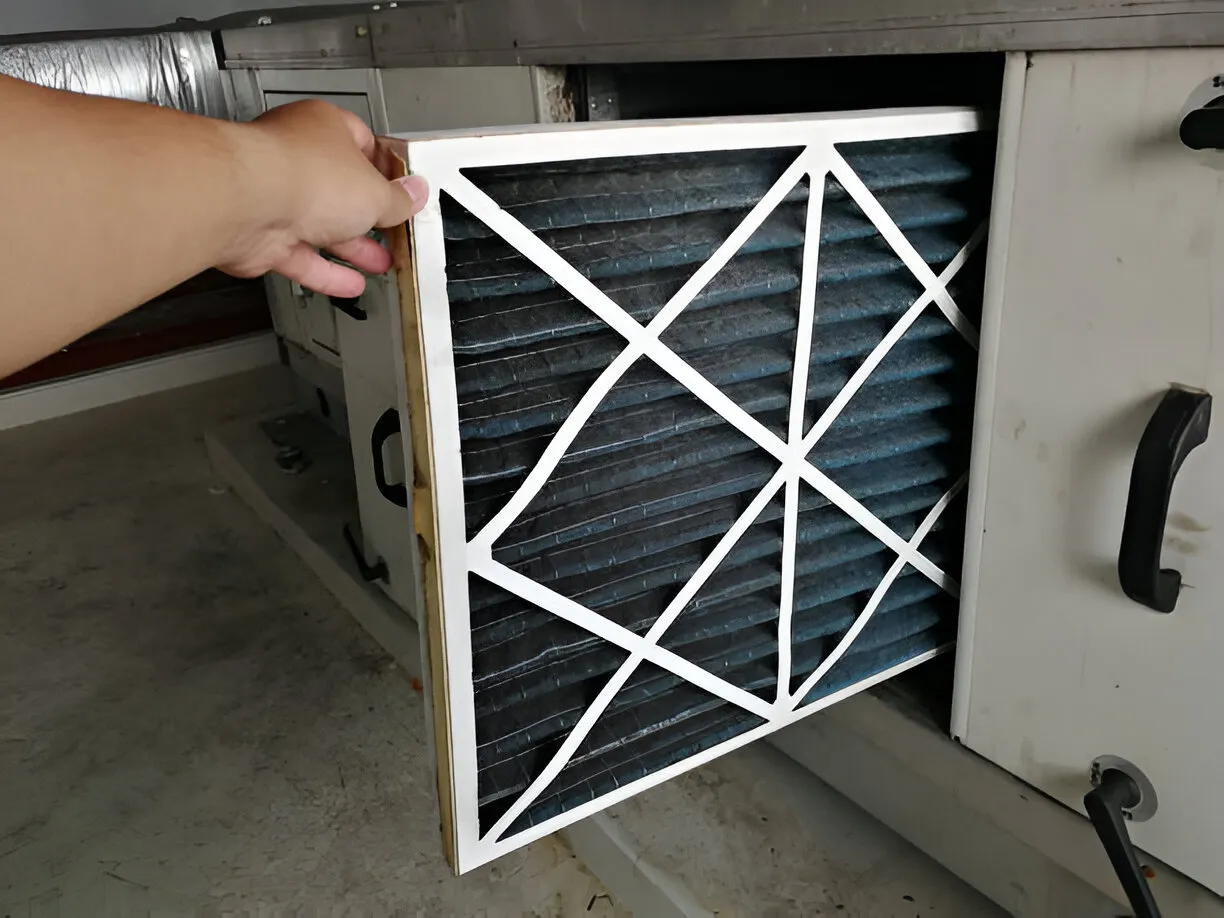
Common furnace failure symptoms in Lewis Center homes
Recognizing trouble early cuts repair cost and downtime. Watch for:
- No heat or weak airflow despite the thermostat calling for heat.
- Short cycling — system turns on and off frequently.
- Unusual noises such as banging, rattling, or high-pitched squeals.
- Persistent pilot or ignition failures on older gas furnaces.
- Rising utility bills with no change in usage patterns.
- Yellow or flickering burner flame (a sign of combustion issues).
- Odors (musty or burning) or visible soot around the furnace.
- Frequent blower operation or inconsistent temperatures between rooms.
- Carbon monoxide alarm activation or symptoms like headaches, nausea, or dizziness.
In Lewis Center, temperature swings and household airtightness can make symptoms show sooner or exacerbate problems, especially in homes with older ductwork or high-efficiency condensing furnaces.
Diagnostic procedures technicians use
A methodical diagnostic process isolates the root cause so repairs are targeted and effective. Typical steps include:
- Visual inspection of the furnace cabinet, burners, heat exchanger, and venting for corrosion, cracks, or obstructions.
- Thermostat verification and control board checks to confirm proper signals and error codes.
- Safety device testing: limit switches, pressure switches, and flame sensors.
- Ignition system inspection: hot surface ignitors or pilot assembly checks.
- Gas supply verification (pressure and valve operation) for gas-fired furnaces.
- Blower and motor evaluation: amp draw, capacitor condition, belt inspection, and airflow measurement.
- Combustion analysis and flame pattern check for efficient and safe burning.
- Condensate drain and secondary heat exchanger checks on high-efficiency units.
- Ductwork and return air inspection to identify airflow restrictions or leaks.
Technicians document findings and recommend repair options with estimated parts and labor so you can make an informed decision.
Typical repair tasks and common replacement parts
Repairs vary by age, furnace type, and symptoms. Frequently performed tasks include:
- Replacing faulty ignitors or flame sensors.
- Cleaning or replacing burners and adjusting combustion.
- Replacing control boards, thermostats, or pressure switches.
- Repairing or replacing the blower motor and capacitors.
- Fixing gas valves or sealing small gas leaks (performed by licensed pros).
- Clearing or repairing condensate lines and secondary heat exchangers on condensing furnaces.
- Addressing venting issues and flue obstructions.
- Repairing or replacing the heat exchanger (major repair — often leads to replacement recommendations).
- Sealing duct leaks and balancing airflow.
Some repairs are quick and performed during the first visit. Others, especially heat exchanger repairs or complex control board replacements, may require parts ordering and more time.
Emergency service availability and safety considerations
Winter storms and peak cold snaps increase furnace failures. Many local providers offer 24 hour emergency furnace repair, recognizing that a nonworking furnace in subfreezing conditions is an urgent safety and comfort issue. Emergency response procedures typically prioritize:
- Restoring safe heat source operation or a temporary safe workaround.
- Securing the home against combustion or carbon monoxide hazards.
- Providing clear documentation of safety concerns and next steps.
If you detect a strong gas odor, or a carbon monoxide alarm is active, evacuate the home and contact emergency services immediately. Licensed technicians will test for CO and gas leaks and will not perform repairs that compromise safety.
Expected turnaround times
Turnaround depends on diagnosis complexity and parts availability:
- On-site diagnostic and minor repairs: 30 minutes to 2 hours.
- Common part replacements (ignitor, sensor, capacitor): same-day in many cases.
- Larger mechanical repairs (blower motor, control board): same day to next day depending on part stock.
- Heat exchanger repair or full furnace replacement: 1 to 3 days or longer depending on ordering and installation scheduling.Planning seasonal service in early fall reduces the likelihood of emergency repairs when parts and technicians are in high demand.
Pricing and warranty information (what to expect)
While exact costs vary, these general ranges reflect local market norms:
- Diagnostic fee/service call: commonly between modest flat fees that are applied toward repair if work is performed.
- Minor repairs and parts: often range from a low three hundred dollar figure up to several hundred dollars for parts plus labor.
- Major repairs (heat exchanger, blower motor, control board): can range from several hundred to a few thousand dollars depending on part and labor scope.
- Furnace replacement: significant investment, typically several thousand dollars, influenced by furnace efficiency, capacity, and ductwork changes.
Warranty practices:
- Manufacturer warranties on new furnaces commonly cover parts for 1 to 10 years, with some components or extended coverage available.
- Labor warranties from repair providers often range from 30 to 365 days depending on the company and repair type.
- High-efficiency components like heat exchangers may have specific warranty periods; documentation should be provided at service completion.
Financing options are commonly available through providers for larger repairs or replacements. Always ask for a written estimate and warranty details before any major work.
Prevention tips to minimize repairs and extend furnace life
Regular maintenance reduces breakdowns and energy costs. Recommended actions for Lewis Center homes:
- Replace or clean furnace filters every 1 to 3 months depending on usage and filter type.
- Schedule an annual professional tune-up in early fall that includes combustion tuning, safety checks, and airflow measurement.
- Keep vents and returns unobstructed and maintain good attic and crawlspace insulation to reduce workload.
- Install and test carbon monoxide detectors on each level of the home and near sleeping areas.
- For high-efficiency furnaces, inspect and clear condensate drains seasonally to prevent clogs and corrosion.
- Seal ductwork and insulate exposed ducts to maintain efficiency and reduce strain on the furnace.
- Be mindful of thermostat settings and consider a programmable or smart thermostat to reduce cycling.
Hot Deals & Cool Savings

.webp)
New Service Agreement Membership
.webp)
Any New Client Service
Next Service for Referring a New Client
New Service Agreement Membership
Any New Client Service
Next Service for Referring a New Client
.webp)
.webp)

Service Areas
