
Furnace Replacement in Lewis Center, OH
Furnace replacement guidance for Lewis Center, OH: compare AFUE, understand installation, financing, energy savings, and warranty options.

Furnace Replacement in Lewis Center, OH
Replacing a furnace is a major home investment — especially in Lewis Center where cold Ohio winters make reliable heat essential.
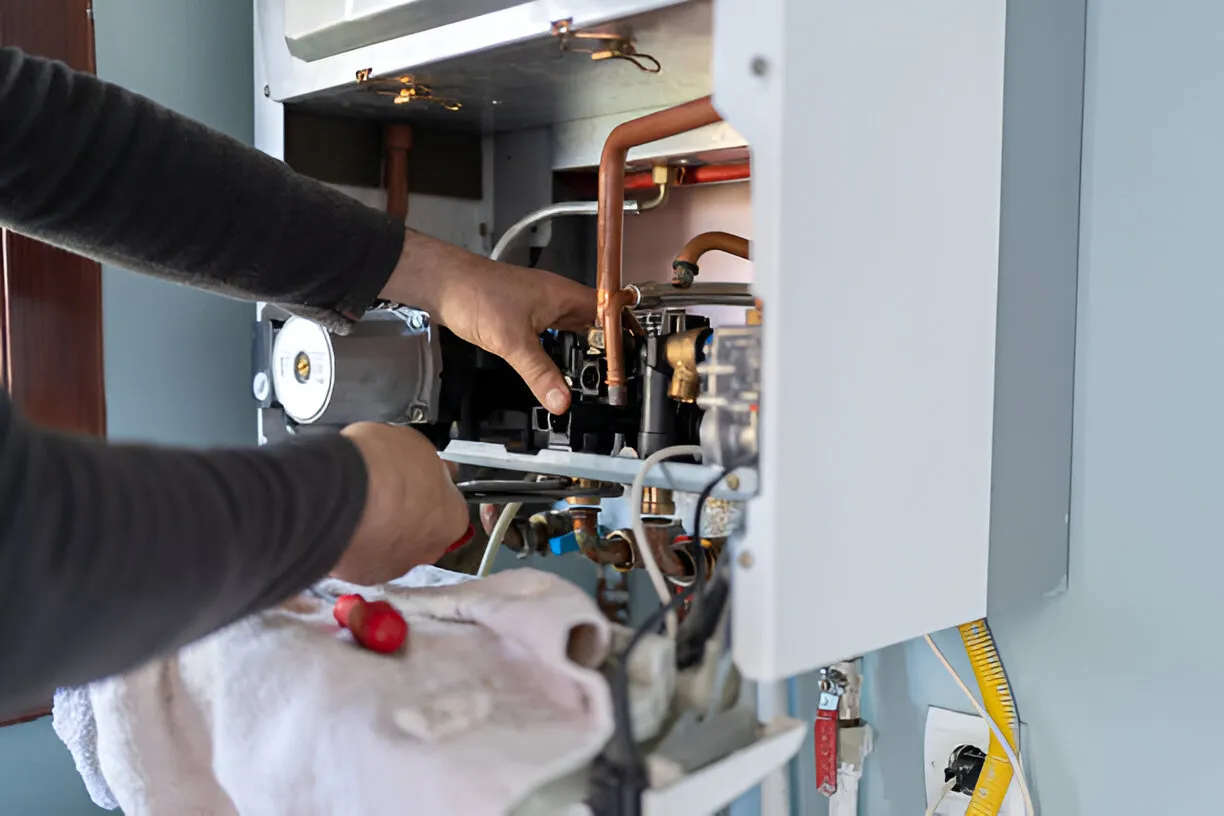
Why consider furnace replacement now
If your furnace is aging, struggling, or costing more to run, replacement can restore comfort and lower long-term energy use. In Lewis Center, hard winters, freeze-thaw cycles, and increasingly variable weather increase demand on older systems. Replacing a worn-out furnace can reduce breakdown risk during peak cold snaps and improve indoor comfort for open-plan and multi-level suburban homes common here.
Common signs a furnace should be replaced
Watch for these indicators that replacement is likely the best option:
- Frequent repairs: Repeated service calls for heat exchanger issues, ignition problems, or motor failures.
- Poor efficiency: High utility bills compared with prior years despite similar usage patterns.
- Uneven heating: Rooms that stay cold or require repetitive thermostat adjustments.
- Age: Furnaces older than 15–20 years are often less efficient and approaching end of useful life.
- Safety concerns: Cracked heat exchangers, persistent carbon monoxide detector alerts, or visible flame irregularities.
- Noise and odors: New, unusual noises or constant burning smells after repairs.
- Pilot/ignition instability: Repeated ignition failure or cycling.
Evaluation and recommendation process
A reliable replacement starts with a thorough assessment:
- Home heating load calculation (Manual J) - Determines the correct furnace size based on square footage, insulation, window types, orientation, and local climate loads.
- Ductwork inspection - Checks for leaks, poor insulation, incorrect sizing, and airflow restrictions that undermine a new furnace.
- Combustion and venting review - Confirms safe venting paths and sizing for gas or oil systems based on local code requirements.
- Fuel and distribution assessment - Evaluates whether natural gas, propane, or electric options are best for the house and utility profile.
- Recommendation report - Presents model options with AFUE ratings, estimated efficiency gains, and any necessary ductwork or venting upgrades.
This process ensures the new furnace is sized and configured for comfort, efficiency, and code compliance in Lewis Center and Delaware County.
Comparing AFUE ratings and models
AFUE (Annual Fuel Utilization Efficiency) measures how effectively a furnace converts fuel into heat. Key points to consider:
- Mid-efficiency vs high-efficiency: Older furnaces may have AFUE in the 60–80% range. Modern condensing furnaces can exceed 90% AFUE, meaning more of your fuel becomes usable heat.
- Single-stage vs two-stage vs modulating:
- Single-stage: Simpler, less expensive, cycles on full capacity.
- Two-stage: Offers a lower setting for mild weather and full for extreme cold, improving comfort and efficiency.
- Modulating: Continuously adjusts output for precise temperature control and better efficiency.
- Variable-speed blowers: Improve airflow control, reduce noise, and enhance comfort by moving air more evenly through duct systems common in Lewis Center homes.
- Consider whole-home factors: If you plan to add insulation, update windows, or seal ducts, you may select a different model or sized unit than current calculations suggest.
Installation and ductwork considerations
Proper installation is as important as the equipment:
- Correct sizing: Oversized units short-cycle, increasing wear and reducing comfort; undersized units can never keep up during cold snaps.
- Duct sealing and balancing: Sealing leaks, adding insulation to exposed ducts, and balancing airflow ensures the new furnace performs as rated.
- Return air and filtration: Adequate return pathways and high-quality filtration protect equipment and indoor air quality.
- Venting and combustion safety: Condensing furnaces require different venting; installers must account for termination locations and local code requirements in Lewis Center.
- Location and access: Placement affects serviceability and efficiency. Basements, closets, and garage installations each have unique venting and clearance rules.
- Testing and commissioning: Proper startup includes combustion testing, static pressure checks, thermostat calibration, and homeowner orientation.
Cost factors and financing options
While exact pricing varies, understand the factors that drive total replacement cost:
- Equipment efficiency and features (AFUE level, modulating burners, variable-speed blowers)
- Size and complexity of installation (ease of access, venting changes, electrical upgrades)
- Required ductwork repairs, insulation, or return air modifications
- Local permit and inspection requirements in Delaware County
- Removal and disposal of the old furnace
- Warranty extensions and maintenance plans
Many homeowners leverage financing plans or home improvement loans to spread costs. When evaluating financing, compare terms, interest rates, and whether the monthly payment and tax implications align with projected energy savings from a higher-efficiency unit.
Expected energy savings
Replacing an older, low-AFUE furnace with a high-efficiency model can produce noticeable reductions in annual heating costs, often visible in the first full heating season. Savings depend on:
- The difference in AFUE between old and new units
- Local fuel prices (natural gas rates for Lewis Center)
- Home envelope efficiency (insulation, windows, air sealing)
- Thermostat settings and lifestyle
Combining a high-efficiency furnace with duct sealing and a programmable or smart thermostat typically yields the best overall savings and comfort improvements.
Warranty coverage and what to watch for
Furnace warranties typically include parts and may offer limited-time labor coverage. Key warranty considerations:
- Manufacturer vs installer coverage: Manufacturers usually cover parts; some installers offer limited labor warranties. Confirm what each party covers and for how long.
- Registration requirements: Some warranties require registration within a set time after installation to remain valid.
- Maintenance conditions: Warranties often require regular professional maintenance; keep records of service visits.
- Extended warranties: Available from manufacturers or third parties, but read exclusions carefully.
- What can void a warranty: Improper installation, non-permitted work, amateur modifications, or failure to perform required maintenance.
Keep documentation of the furnace model, serial number, installation paperwork, and maintenance records in case you need to file a warranty claim.
Final considerations and maintenance advice
Replacing a furnace is about more than equipment — it’s about long-term comfort, safety, and efficiency. For Lewis Center homeowners:
- Prioritize a full load calculation and duct inspection before choosing equipment.
- Consider higher AFUE and variable-capacity features for improved comfort in Ohio winters.
- Address duct sealing and insulation to maximize savings.
- Plan for annual preventive maintenance to protect efficiency and warranty status.
- Keep clear records for warranties and future resale value.
A well-executed furnace replacement tailored to your Lewis Center home will deliver safer heating, more consistent comfort through cold periods, and meaningful efficiency gains over time.
Hot Deals & Cool Savings

.webp)
New Service Agreement Membership
.webp)
Any New Client Service
Next Service for Referring a New Client
New Service Agreement Membership
Any New Client Service
Next Service for Referring a New Client
.webp)
.webp)

Service Areas
