
Heating Service in Lewis Center, OH
Heating service in Lewis Center, OH delivers fast diagnostics, repairs, and preventive care. Learn more about reliable home comfort.

Heating Service in Lewis Center, OH
Keeping your home warm, safe, and energy efficient through an Ohio winter requires heating service you can rely on. Our comprehensive heating service in Lewis Center, OH covers fast diagnostics, routine repairs, component replacement, emergency response, clear estimates, and professional follow-up so your family stays comfortable when temperatures drop. Below you will find exactly what to expect from a full-service heating visit, common local problems, and how teams typically diagnose and fix issues.
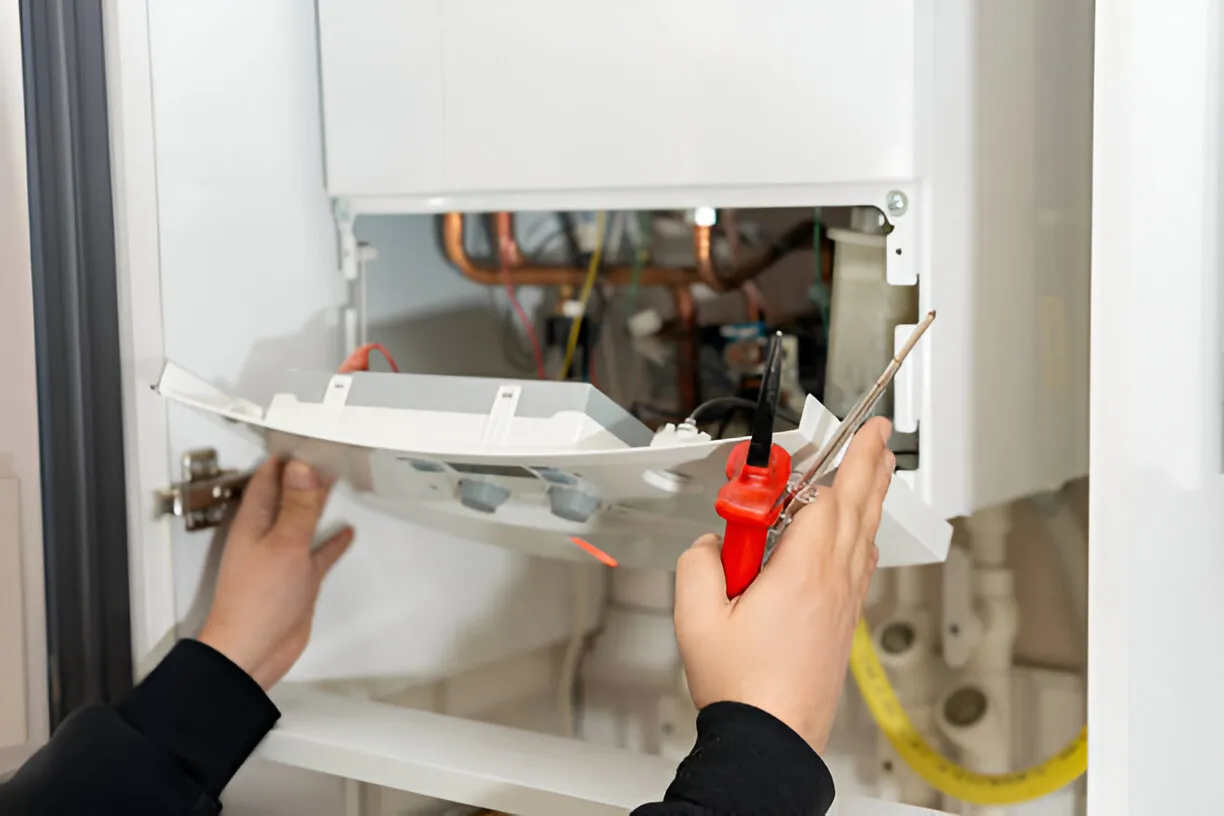
Common heating issues in Lewis Center, OH
Lewis Center faces cold, often wet winters and fluctuating shoulder-season temperatures that accelerate wear on heating systems. Common problems homeowners see include:
- Uneven heating or cold rooms caused by duct restrictions, improper zoning, or failing blower motors.
- Short cycling of furnaces and heat pumps due to clogged filters, faulty thermostats, or refrigerant and ignition issues.
- No heat or intermittent heat from failed ignition control, damaged heat exchangers, or blocked combustion air.
- Strange noises (clanking, rattling, or squealing) from loose components, motor bearings, or belt wear.
- High energy bills driven by aging equipment, poor airflow, or lost heat through ducts and insulation.
- Boiler-specific leaks, pressure loss, or circulating pump failures in older homes.
Recognizing these symptoms early reduces repair costs and prevents breakdowns during cold snaps.
Types of heating services offered
- System diagnostics and detailed inspections (furnaces, boilers, heat pumps, ductless systems)
- Routine repairs: ignition systems, thermostats, blowers, burners, circulating pumps, valves, and controls
- Component replacement: heat exchangers, control boards, compressors, motors, and sensors
- Full system replacement and right-sized installations for higher efficiency
- Preventive maintenance plans with seasonal tuneups and safety checks
- Emergency response and furnace/boiler troubleshooting outside normal hours
- Airflow and ductwork evaluation, sealing, and airflow balancing
- Combustion and carbon monoxide safety testing for gas-fired systems
How diagnostics and repairs work
- Initial assessment: The technician begins with a visual inspection and a homeowner interview to identify symptoms and the system’s history.
- System startup and monitoring: Safely start the system to observe operation—startup behavior, flame quality, cycling, and control responses.
- Targeted testing: Use gauges, multimeters, pressure tests, and combustion analyzers to isolate failing components or unsafe conditions.
- Explanation and options: You receive a plain-language explanation of findings, repair options, and the pros and cons of repair versus replacement.
- Repair or replacement: Once an option is chosen, technicians proceed with efficient repairs, using OEM-grade parts and testing performance afterward.
- Post-service verification: A final walkthrough confirms system operation, thermostat calibration, and homeowner questions are addressed.
This step-by-step approach ensures repairs solve root causes rather than masking symptoms.
Emergency response procedures and typical timelines
Emergency heating failures in winter require prioritized attention. Standard emergency procedures include:
- Remote triage: Technicians gather details about symptoms and safety concerns to triage severity and provide immediate safety guidance.
- Safety first: If carbon monoxide or gas odor is suspected, technicians advise evacuation and coordinate immediate safety measures before any service.
- On-site diagnosis: For many emergency calls, technicians can perform diagnostics and minor repairs the same visit.
- Parts and follow-up: If parts are required, technicians provide temporary safe measures and a clear timeline for part arrival and completion.
Typical timelines (may vary based on parts availability and system age):
- Same-day or next-business-day initial response for urgent no-heat conditions during winter.
- Most common repairs completed the same visit when stock parts are available.
- Component replacements or full system installs scheduled within days to weeks depending on product lead times and permit requirements.
Estimates, warranties, and satisfaction assurances
When work is recommended you will receive a written estimate describing the scope, parts required, and labor steps in clear language. Estimates are designed to make comparison straightforward and avoid surprises.
Warranties and guarantees generally include:
- Manufacturer parts warranties for replacement components.
- A workmanship or service guarantee covering the repair work for a stated period.
- Guidance on recommended maintenance to preserve warranties and system life.
Technicians commonly carry certifications and credentials such as state licensing, EPA refrigerant handling certification, and industry training. Many teams are background screened, insured, and participate in ongoing education to stay current with equipment and safety standards.
What to have ready when scheduling service
- System age, brand, and any recent service history you know.
- Description of symptoms (e.g., “no heat,” “loud noise on startup,” “uneven heating”).
- Access details (utility shutoffs, basements, or attic access) and any safety issues like pets or structural concerns.
- Preferred appointment windows and whether you need an emergency visit.
Appointments range from diagnostic-only visits to same-day repair visits when parts are available. Regular maintenance agreements can secure priority scheduling and seasonal tuneups.
Preventive maintenance and simple homeowner tips
Regular maintenance extends equipment life and improves efficiency. Practical steps include:
- Change or clean furnace filters every 1 to 3 months during heating season.
- Keep vents and returns clear of furniture and clutter to maintain airflow.
- Test thermostat settings and replace batteries as needed.
- Schedule annual professional tuneups in fall to check combustion safety, heat exchanger integrity, and system controls.
- Ensure carbon monoxide detectors are installed and functional near sleeping areas and fuel-burning equipment.
Benefits of timely heating service in Lewis Center
Prompt, professional heating service reduces the risk of cold-weather failures, improves indoor comfort, lowers utility bills through restored efficiency, and protects household safety. In Lewis Center’s climate, seasonal tuneups and fast repairs are practical investments that pay back in comfort, lower operating costs, and extended equipment life.
Hot Deals & Cool Savings

.webp)
New Service Agreement Membership
.webp)
Any New Client Service
Next Service for Referring a New Client
New Service Agreement Membership
Any New Client Service
Next Service for Referring a New Client
.webp)
.webp)

Service Areas
