
Heating Tune-Up in Downtown Columbus, OH
Heating tune up service in Downtown Columbus, OH, keep your home warm and safe. Schedule a visit today for reliable winter comfort.

Heating Tune Up in Downtown Columbus, OH
A seasonal heating tune up is one of the easiest, most effective steps you can take to keep your home warm, safe, and energy-efficient through Downtown Columbus winters. Cold snaps, wind-driven drafts around older rowhomes and condos, and the strain of back-to-back heating days on aging systems all increase the risk of breakdowns and rising energy bills. A professional tune up finds small problems before they become emergencies, restores operating efficiency, and verifies safety systems so your heating system performs reliably when temperatures drop.
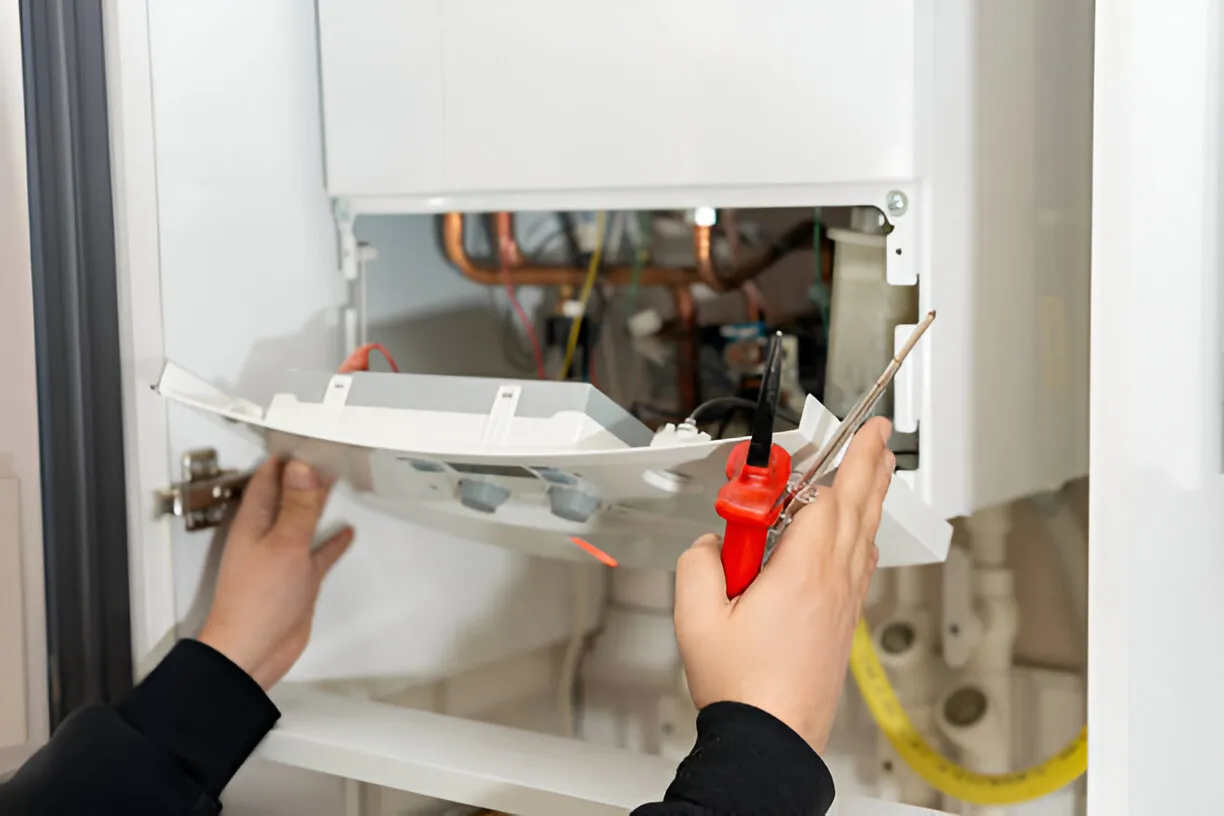
Common heating issues in Downtown Columbus homes
- Frequent cycling or short-cycling — often caused by clogged filters, improper air flow, or failing controls
- Rising energy bills in winter — dirty burners, poor combustion, and uncalibrated thermostats reduce efficiency
- Uneven heating or cold spots — duct leaks, poor airflow, or zoning control problems are common in older Downtown buildings with retrofitted systems
- Noisy operation — worn bearings, loose blower wheels, or failing motors produce rattles and bangs that often precede failure
- Ignition or pilot failures on gas furnaces — weather-related gas pressure changes and deferred maintenance increase ignition problems
- Safety concerns (carbon monoxide risk, cracked heat exchanger) — critical to detect before winter to protect occupants
What a Heating Tune Up Includes
A full seasonal tune up is a methodical inspection, cleaning, calibration, and testing process. For Downtown Columbus homes the checklist focuses on both reliability and safety:
Inspection checklist
- Air filters: inspect and recommend replacement or upgrade to higher-MERV filters if needed
- Burners and combustion components (gas furnaces/boilers): inspect burner condition and flame pattern
- Heat exchanger or boiler heat surfaces: visual check for cracks, corrosion, or soot buildup
- Controls and circuit board: verify proper operation of relays, safety interlocks, and control logic
- Safety switches and limit switches: test operation to ensure systems shut down if unsafe conditions occur
- Ignition system / pilot assembly / flame sensor: clean and test for consistent ignition
- Blower motor and wheel: inspect, clean, and lubricate bearings where applicable
- Ductwork and vents: visual inspection for major leaks, disconnected ducts, or blocked vents (more extensive duct testing available separately)
- Flue and venting: check for blockages, proper draft, and secure connections to prevent exhaust buildup
- Combustion air and gas connections: check for proper supply and secure fittings
- Hydronic system components (boilers): check pressure, expansion tank condition, relief valve, and water quality
Cleaning and calibration tasks
- Clean burners, flame sensors, and ignition components to restore reliable ignition
- Remove dust and debris from blower wheel and housing to restore airflow efficiency
- Calibrate thermostats and verify setpoint accuracy; check or recommend smart thermostats for better control
- Clean and inspect condensate traps and drains on high-efficiency equipment to prevent backups
- Adjust fuel/air mixture and combustion settings for optimal efficiency and safe combustion
Performance testing
- Combustion analysis for gas-fired equipment to measure CO, O2, and efficiency
- Temperature rise and delta-T checks across the heat exchanger to confirm proper heat transfer
- Static pressure and airflow measurement to validate duct system performance
- Electrical draw and amp testing on motors to detect wear or impending failure
- Verify equipment runs through full cycles while monitoring for abnormal sounds or vibrations
Diagnostic process: what to expect
A systematic diagnostic sequence reduces missed issues and provides clarity:
- Arrival and system history review: technician notes previous issues, age, and usage patterns common in Downtown Columbus buildings.
- Visual inspection: external components, flue, and accessible ductwork are checked for obvious problems.
- Baseline testing: measure current performance (temperatures, airflow, combustion) before adjustments.
- Cleaning and adjustments: perform targeted cleaning, lubrication, and calibration of controls, burners, and blower.
- Safety verification: simulate fault conditions and confirm safety switches and limit controls respond correctly.
- Final testing and documentation: rerun performance tests, record results, and provide clear, prioritized recommendations for any repairs or efficiency upgrades.
Recommendations to improve efficiency and reliability
- Replace or upgrade filters seasonally; a high-quality pleated filter improves indoor air quality and preserves system life.
- Install a programmable or smart thermostat to reduce runtime during unoccupied periods and smooth temperature swings.
- Seal and insulate accessible ducts, especially in older Downtown units with retrofitted duct runs, to reduce heat loss and balance rooms.
- Add or optimize zoning controls in multi-level or multi-room layouts to avoid overheating one area while leaving another cold.
- Insulate exposed piping and consider insulating attic and rim-joist areas to reduce heat load on the system.
- Consider upgrading to high-efficiency burners or condensing boilers on older equipment, but only after a documented efficiency assessment.
- Enroll in a regular maintenance plan to ensure yearly tune ups, priority scheduling in cold weather, and consistent record keeping for system history.
How tune-ups fit into a maintenance plan
A one-time tune up reduces immediate risk, but integrating seasonal tune ups into an annual maintenance plan delivers the best long-term value. A maintenance plan provides scheduled autumn inspections to prepare for winter and spring checks for heat pump or boiler cycles, keeps maintenance records for warranty compliance, and enables predictable budgeting for repairs or replacements. For Downtown Columbus residents, a plan also reduces the chance of off-hours emergency calls during cold snaps and helps manage the demands of older building stock where systems face higher wear.
Why fall tune-ups matter in Downtown Columbus
Downtown Columbus experiences cold winters with occasional extended cold spells and freeze-thaw cycles that stress heating equipment. Many downtown homes are older or have been converted to multi-family units, increasing the importance of duct integrity, combustion safety, and precise thermostat control. A fall tune up addresses these specific local risks so your system operates safely and efficiently when you need it most.
A professional heating tune up restores efficiency, improves reliability, reduces safety risks, and often extends equipment life. For Downtown Columbus homes and buildings where winter reliability and indoor comfort are essential, a thorough seasonal tune up is a practical, preventive investment that pays off in lower bills, fewer emergency calls, and safer operation.
Hot Deals & Cool Savings

.webp)
New Service Agreement Membership
.webp)
Any New Client Service
Next Service for Referring a New Client
New Service Agreement Membership
Any New Client Service
Next Service for Referring a New Client
.webp)
.webp)

Service Areas
