
Furnace Maintenance in Downtown Columbus, OH
Furnace maintenance in Downtown Columbus, OH ensures reliable warmth, safer operation, and energy efficiency with expert tune-ups. Learn more today.

Furnace Maintenance in Downtown Columbus, OH
Keeping your furnace tuned and safe is critical for Downtown Columbus homes where cold winters, older building stock, and urban dust can combine to strain heating systems. Professional furnace maintenance in Downtown Columbus, OH reduces breakdown risk during cold snaps, improves comfort in high-rise condos and historic rowhouses, and helps lower energy bills — especially important for homes with aging ductwork or compact mechanical closets common in downtown buildings.
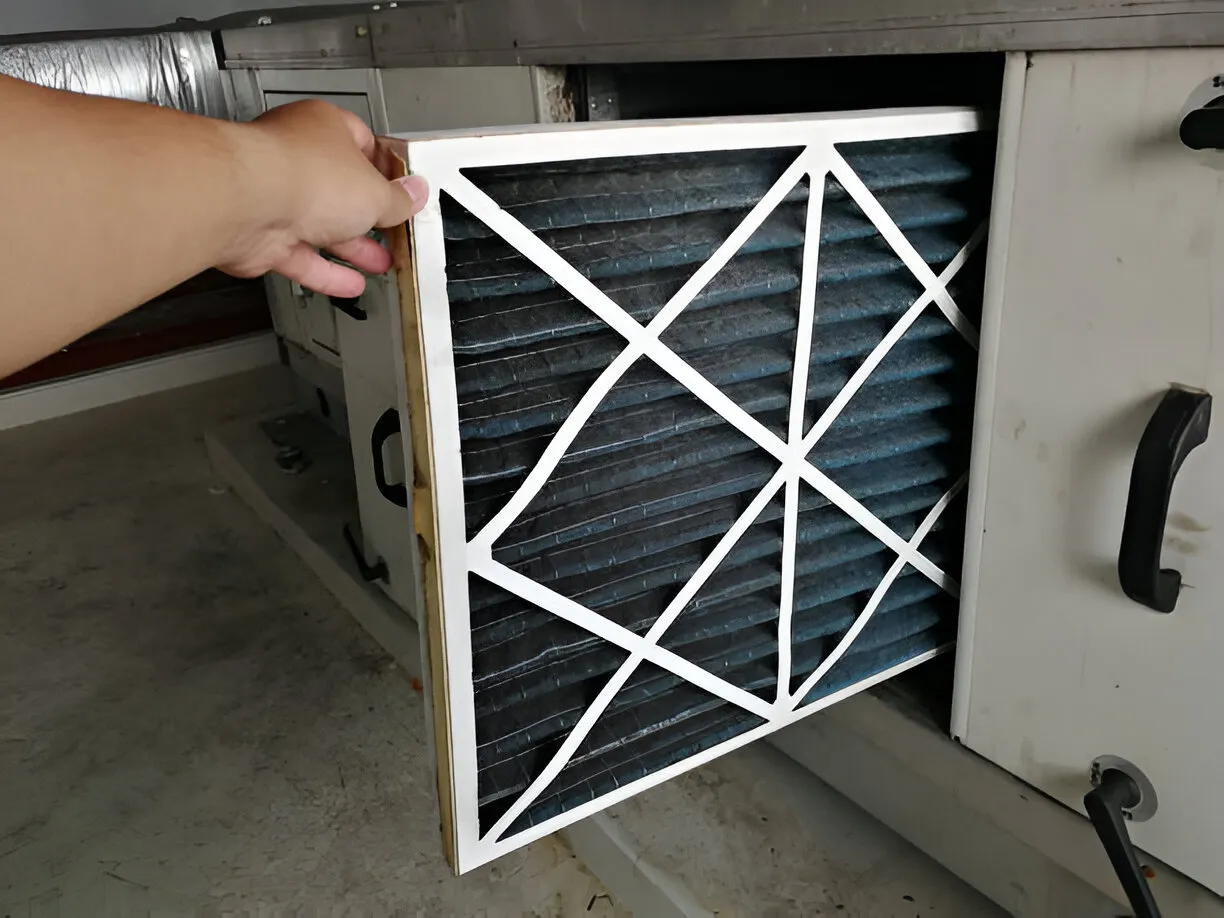
Why furnace maintenance matters in Downtown Columbus homes
- Downtown Columbus experiences cold winters and occasional rapid temperature swings that force furnaces to cycle more frequently. That extra load accelerates wear.
- Older homes and converted lofts in the Short North and Victorian neighborhoods often have legacy ducts, unique vent layouts, or tight mechanical spaces that benefit from tailored inspections.
- Urban dust, construction debris, and pet hair common in city apartments can clog filters and limit airflow, reducing efficiency and increasing the risk of overheating or flame failure.
- Preventive maintenance extends equipment life, preserves indoor comfort during peak demand, and helps maintain safe operation (combustion safety and carbon monoxide prevention).
Common furnace issues in Downtown Columbus and how maintenance prevents them
- Reduced airflow from clogged filters or blocked vents — resolved by inspection and regular filter service
- Short cycling caused by dirty burners, malfunctioning thermostats, or restricted airflow — diagnosed during a tune-up
- Ignition or flame sensor problems that cause intermittent heating — cleaned and tested during safety checks
- Noisy operation from loose panels, worn blower motors, or imbalanced fan assemblies — identified and tightened during service
- Carbon monoxide risks from cracked heat exchangers or poor ventilation — detected with visual checks and combustion testing
What routine furnace maintenance includes
A thorough furnace maintenance visit covers inspection, cleaning, testing, and documentation. Core items typically included:
- Visual and operational inspection
- Check burner assembly and ignition system
- Inspect heat exchanger for visible cracks or corrosion
- Examine venting and flue integrity for leaks or blockages
- Verify thermostat operation and setpoint response
- Cleaning and airflow service
- Clean burners, pilot assembly (if present), and exterior furnace surfaces
- Remove dust buildups around blower and motor housings
- Clean or recommend replacement of return and supply grilles as needed
- Filter inspection and replacement
- Check filter type and condition; change disposable filters or note reusable filters for cleaning
- Recommend correct MERV level based on indoor air quality needs and system capability
- Safety and combustion checks
- Test ignition, flame strength, and flame sensor behavior
- Perform carbon monoxide monitoring and combustion efficiency checks when applicable
- Inspect safety controls, limit switches, and emergency shutoff wiring
- Electrical and mechanical checks
- Tighten electrical connections and inspect capacitors and relays
- Lubricate motors and moving components where serviceable
- Check blower wheel balance and fan belt condition (if applicable)
- Performance testing and documentation
- Measure operating temperatures, pressure differentials, and if applicable, system combustion efficiency
- Provide a written summary of findings, recommended repairs, and any parts that may need future attention
Seasonal tune-ups and recommended frequency
- Annual furnace tune-up before the heating season is the standard recommendation for most Downtown Columbus homes. Scheduling maintenance in early fall ensures the system is ready before sustained cold weather.
- Homes with heavy use, older equipment, or repeated issues may benefit from semi-annual checks (pre-winter and post-winter) to catch wear that develops under heavy loads.
- For combined HVAC plans (furnace + air conditioning), many homeowners choose two inspections per year for balanced year-round reliability.
Maintenance plans and membership benefits
Membership or maintenance plans provide structured preventive care tailored to city residents and building types common in Downtown Columbus. Typical member benefits include:
- Scheduled seasonal tune-ups and reminders aligned with heating season timing
- Priority scheduling for members during high-demand periods (cold snaps)
- Discounted rates on repair labor and replacement parts
- Included basic filter replacement or discounted filter services
- Detailed service records that help with warranty claims and long-term equipment planning
- Peace of mind from documented safety checks and combustion testing
Memberships are particularly valuable downtown where winter outages affect many tightly packed buildings and quick response can make the difference in comfort and safety.
What to expect during a maintenance visit (step-by-step)
- Arrival and system review: technician notes make/model, age, and recent performance issues specific to the unit and the building layout.
- Visual inspection: exterior panels removed, venting and flue checked, burners inspected.
- Cleaning and filter service: filters checked and replaced or cleaned; accessible components dusted and vacuumed.
- Safety checks and testing: ignition, flame sensor, limit switches, combustion safety and carbon monoxide readings as applicable.
- Mechanical and electrical check: blower, motor, belts, and electrical connections inspected and tightened.
- Final performance test: measure heat rise and system response to thermostat commands.
- Written report: clear documentation of findings, repairs performed, and recommended follow-up items.
A typical preventive maintenance visit takes about 45–90 minutes depending on system accessibility and complexity — allow a little extra time for older units or multi-zone systems often found in downtown residences.
How to prepare and schedule preventive maintenance (what you’ll need)
- Locate the furnace model and serial number or take a quick photo; this speeds diagnosis and ensures the correct parts are identified if needed later.
- Note recent symptoms: unusual noises, reduced heat, frequent cycling, odd odors, or a tripped carbon monoxide alarm.
- Clear access to the furnace, thermostat, and vents. In apartments or condos, ensure hallway or closet access is planned with building management if required.
- Know your filter size or type, particularly if you use high-efficiency or washable filters.
- Expect a professional to perform visual and functional checks, change or advise on filters, perform safety testing, and leave a written service record highlighting any recommended repairs.
Simple maintenance steps you can do between professional visits
- Replace or clean filters every 1–3 months depending on use, pets, and urban dust levels.
- Keep returns and supply registers clear of furniture, curtains, and rugs.
- Test carbon monoxide detectors monthly and replace batteries per manufacturer instructions.
- Note any new noises, odors, or performance changes and record service dates to create a maintenance history.
Long-term benefits of regular furnace maintenance in Downtown Columbus
Regular preventive maintenance reduces emergency repairs during cold spells, increases energy efficiency, improves indoor air quality in tight urban spaces, and helps maximize the working life of furnaces in older downtown buildings. For residents of Downtown Columbus, a consistent maintenance plan is a practical investment in safety, comfort, and predictable heating performance through the winter months.
Hot Deals & Cool Savings

.webp)
New Service Agreement Membership
.webp)
Any New Client Service
Next Service for Referring a New Client
New Service Agreement Membership
Any New Client Service
Next Service for Referring a New Client
.webp)
.webp)

Service Areas
