
Heating Installation in Downtown Columbus, OH
Heating installation services in Downtown Columbus, OH. Learn how we size, select energy-efficient equipment, and install with permits.

Heating Installation in Downtown Columbus, OH
Replacing or installing a new heating system in Downtown Columbus, OH is a decision that affects comfort, monthly energy bills, and the long-term value of your home or condo. In Downtown Columbus homes and high-rise units, installers must balance tight spaces, older building envelopes, and colder Midwestern winters.
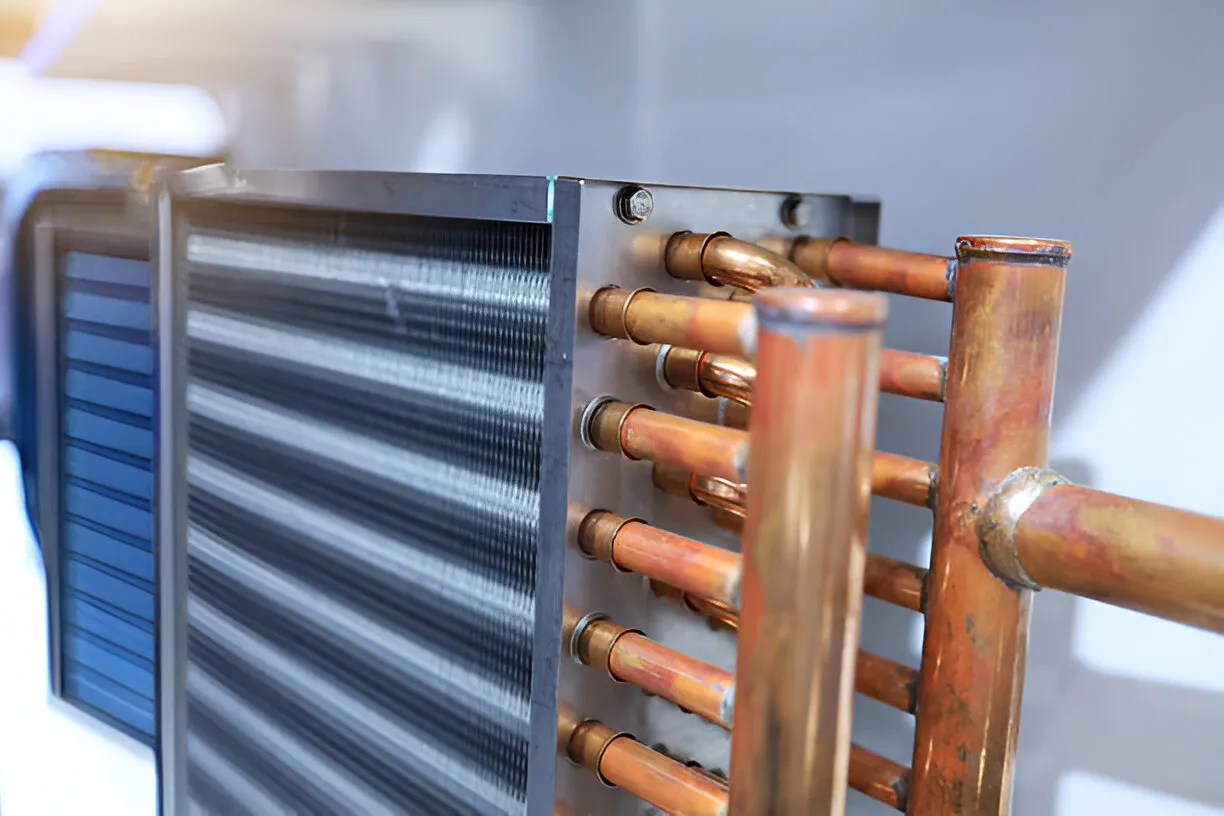
Common heating needs in Downtown Columbus
- Furnace installation or replacement for single-family homes and townhouses
- Boiler replacement or conversion in older brick buildings and multi-family units
- Ductless heat pump systems for condos, additions, or homes without ducts
- Cold-climate air-source heat pumps and hybrid (dual-fuel) systems for energy savings
- Zoning upgrades and ductwork improvements for apartment or multi-zone layouts
- Full system replacements where aging equipment, repeated repairs, or poor efficiency are problems
How we determine the right system: home load assessments
A proper heating installation begins with a detailed load assessment rather than relying on rule-of-thumb sizing. Typical steps include:
- Conducting a Manual J heat loss calculation to measure heating requirements based on square footage, insulation, window types, orientation, and occupant behavior
- Inspecting existing ductwork, vents, and clearances; performing a duct leakage and airflow check when ducts exist
- Evaluating the building envelope especially in older Downtown rowhouses and brick structures that often have higher heat loss
- Noting mechanical room access, elevator or parking constraints common in urban buildings that affect equipment selection and delivery
Accurate sizing prevents short-cycling, poor comfort, and premature wear. In downtown condos or high-rise installs extra attention is paid to noise, mounting, and routing refrigerant or vent piping to comply with building rules.
Equipment selection and energy-efficiency options
Equipment choice depends on fuel availability, building type, and efficiency goals. Key considerations:
- Furnaces: Look at AFUE ratings and variable-speed blowers. High-efficiency condensing furnaces provide major fuel savings in cold months.
- Boilers: Condensing boilers deliver better performance for hydronic systems common in older Downtown properties.
- Heat pumps: Modern cold-climate air-source heat pumps and ductless minisplits work well in Columbus and offer significant winter efficiency gains, especially when paired with supplemental heat or in a dual-fuel setup.
- Controls and zoning: Smart thermostats, zoning dampers, and variable-speed motors improve comfort and lower energy use.
- Indoor air quality: Consider whole-home filtration, humidification, or ERV/HRV systems to manage indoor humidity and ventilation in tightly sealed urban homes.
We weigh efficiency metrics, up-front installation needs, and long-term operating cost to recommend the best fit for each property.
Professional installation steps and what they mean for you
A professional installation follows a clear sequence to ensure safety, compliance, and performance:
- Pre-install preparation: final measurements, equipment staging, and any required duct or piping materials ordered to fit space constraints.
- Permitting: for most system replacements and new equipment a local permit is required. Licensed contractors typically pull permits and schedule inspections with the City of Columbus; this ensures code-compliant venting, combustion safety, and refrigerant handling where applicable.
- Removal of old equipment: safe disconnect and removal, including proper disposal of refrigerant or old combustion appliances.
- Installation: setting the new unit, modifying ducting or piping, installing venting or flues, and mounting outdoor equipment in compliance with building access rules.
- Commissioning: start-up, calibration of controls, measuring airflow, combustion testing (for gas), and heating performance verification.
- Final inspection and sign-off: scheduling the municipal inspection and providing documentation required for warranty registration.
In Downtown Columbus properties, additional steps may include coordinating with building management for elevator access, loading zones, and noise restrictions.
Timeline and logistical considerations
- Typical single-family furnace or heat pump installations can often be completed in 1 to 2 days once parts are on site and a permit is issued.
- Boiler replacements, multi-zone systems, or installations requiring major duct or piping work may take several days to a week.
- Condo or high-rise installs can require extra coordination and may extend timelines due to elevator reservations, parking permits, or required building approvals.
- Permit turnaround varies; contractors generally pull permits on your behalf and schedule inspections, which can add days to the overall timeline.
Because Columbus winters are cold and sometimes bring rapid temperature swings, scheduling installations before the heating season reduces risk of emergency service and makes it easier to secure preferred installation windows.
Pricing drivers (what affects your estimate)
Rather than fixed numbers, expect estimates to reflect:
- System type and efficiency level chosen
- Required modifications to existing ductwork or piping
- Access and logistical complexity in Downtown buildings
- Need for additional components like zoning, new venting, or condensate pumps
- Any necessary structural work or electrical upgrades
Estimates should be itemized so you can see how each factor contributes to the total. Financing options can help manage higher-efficiency upgrades.
Financing and warranty options
Financing programs and warranty structures commonly available include:
- Manufacturer limited warranties on heat exchangers and components, often combined with separate labor warranties offered by the installing contractor
- Extended warranty and maintenance plan options that cover parts and service for specified periods
- Financing plans through third-party lenders or contractor-arranged programs with various term lengths and promotional options
Review warranty registration requirements and maintenance obligations to keep manufacturer coverage intact. An annual maintenance plan preserves efficiency and supports warranty eligibility.
After installation: commissioning, maintenance, and long-term value
A properly commissioned system should deliver consistent comfort, quieter operation, and improved efficiency. To protect your investment:
- Schedule annual tune-ups including combustion analysis for gas systems, refrigerant checks for heat pumps, and airflow balancing
- Replace filters as recommended and keep vents and outdoor units clear of debris
- Consider a maintenance agreement that includes priority service and discounts on repairs, which reduces the chance of mid-winter failures
Upgrading to a modern, properly sized heating system in Downtown Columbus improves comfort in cold months, reduces energy use, and can increase property value—especially important for urban homeowners and condo owners who want reliable performance with minimal disruption.
If you are evaluating replacement options for a Downtown Columbus property, prioritize an installer who performs a full load assessment, explains equipment tradeoffs clearly, handles permitting and inspections, and provides transparent, itemized estimates along with warranty and maintenance information.
Hot Deals & Cool Savings

.webp)
New Service Agreement Membership
.webp)
Any New Client Service
Next Service for Referring a New Client
New Service Agreement Membership
Any New Client Service
Next Service for Referring a New Client
.webp)
.webp)

Service Areas
