
Heating Replacement in Downtown Columbus, OH
Downtown Columbus heating replacement: learn signs to replace, the evaluation process, cost savings, rebates, and installation timeline.

Heating Replacement in Downtown Columbus, OH
When your heating system struggles to keep your Downtown Columbus home comfortable through long, wet winters and early-season cold snaps, deciding between repair and replacement matters.
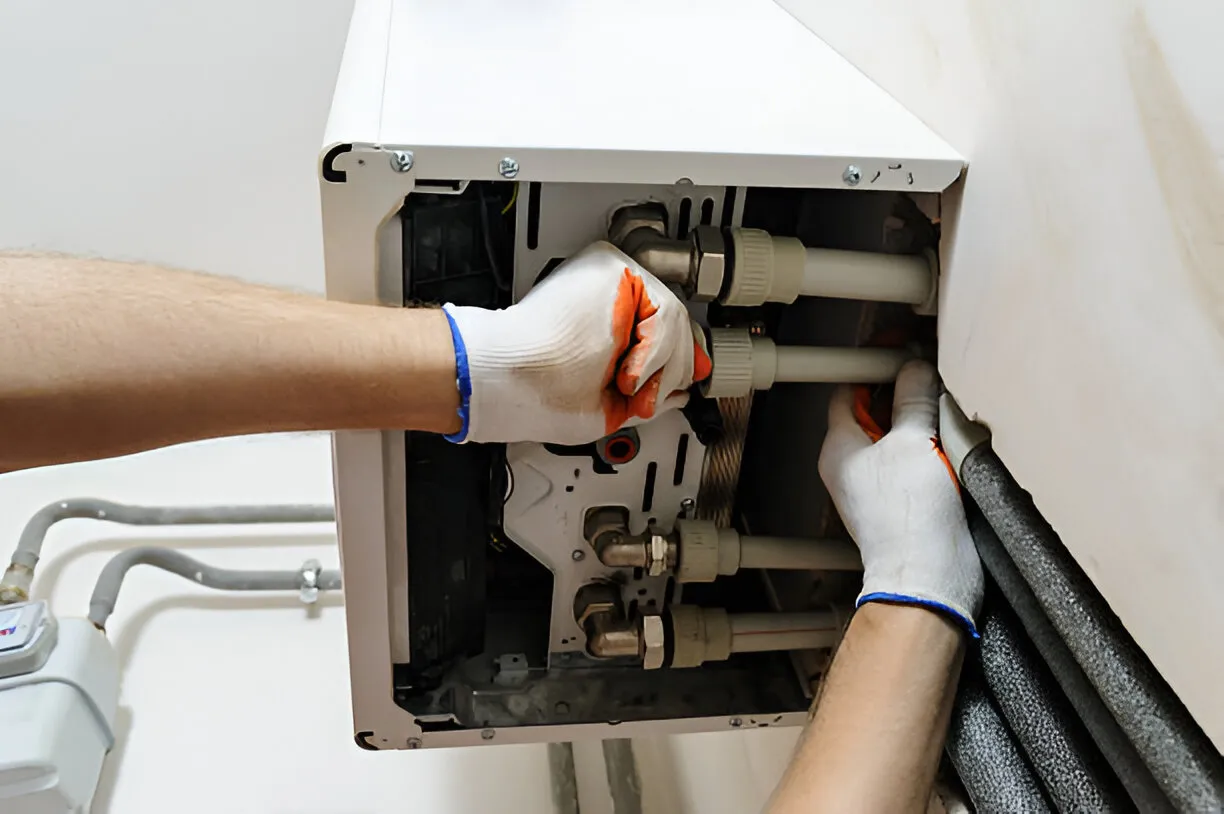
Why a timely heating replacement matters in Downtown Columbus
Downtown Columbus experiences cold, often damp winters and wide temperature swings in shoulder seasons. Older systems—common in historic brick row homes, converted lofts, and mid-century apartment buildings—lose efficiency faster in these conditions, leading to higher energy bills, uneven heating, and comfort complaints. Upgrading to a modern high-efficiency system improves year-round comfort, reduces winter heating costs, and avoids repeated emergency repairs that are especially disruptive in dense urban areas.
Signs it’s time to replace vs. repair
If you’re weighing repair against replacement, consider these practical indicators:
- Age: Furnaces and boilers older than 15–20 years are usually better replaced than repeatedly repaired. Parts become scarce and efficiency is poor.
- Frequent repairs: More than two repairs in a heating season signals diminishing returns on continued fixes.
- Rising bills: An unexplained steady increase in heating costs despite normal usage often indicates failing efficiency.
- Uneven heating or poor airflow: Duct problems or aging equipment can’t always be fixed by simple repairs.
- Strange smells or carbon monoxide concerns: Aging combustion equipment that produces odors or fails safety checks should be replaced.
- Noise and reliability: Excessive noise, starting problems, or unreliable operation during cold snaps indicate major wear.
If multiple items above apply, replacement typically delivers better long-term value, safety, and comfort than continuing repairs.
The replacement evaluation process
A thorough evaluation ensures the new system is the right fit for your Downtown Columbus property. Typical steps:
- Site survey: Technicians inspect the existing equipment, ductwork, fuel source, mechanical room access, and insulation levels.
- Load calculation: A Manual J heat-loss calculation determines the correct system size based on square footage, window types, building envelope and orientation—critical in older, tighter downtown structures.
- System recommendations: Options are presented with pros and cons (furnace, boiler, heat pump, ductless) and expected performance in Columbus winters.
- Energy and cost comparison: Estimated seasonal heating costs, efficiency (AFUE or HSPF/SEER for heat pumps), and projected savings are provided so you can compare.
- Removal and permit plan: Assessments include whether permits are required, the best removal strategy for tight urban access, and disposal logistics.
Recommended high-efficiency systems for Downtown Columbus homes
- High-efficiency condensing gas furnaces (AFUE 95%+): Good for homes on natural gas; provide reliable heat on the coldest nights and integrate well with existing duct systems.
- Modulating gas furnaces with variable-speed ECM blowers: Deliver more even comfort, quieter operation, and better dehumidification control.
- Cold-climate heat pumps (air-source or cold-climate models): Modern heat pumps perform efficiently in Ohio and can cut energy use substantially, especially when paired with a properly sized backup or hybrid system.
- Ductless mini-split heat pumps: Ideal for older downtown homes without usable ductwork or for room-by-room upgrades.
- High-efficiency boilers and hydronic systems: For homes with radiators or radiant floors, modern condensing boilers restore efficient performance and longevity.
Each option should be matched to your home’s layout, fuel availability, and long-term goals (like electrification or maximizing savings).
Removal and disposal of old equipment
Proper removal in dense urban settings requires planning:
- Safe disconnect and refrigerant recovery: For systems with refrigerants, EPA-compliant recovery is mandatory.
- Hazardous material handling: Older units may contain asbestos-wrapped pipes or oils requiring special handling; professionals will identify and mitigate these risks.
- Recycling and disposal: Metals and components are recycled where allowed; oil and hazardous fluids are disposed of per local regulations.
- Logistics for Downtown access: Narrow alleys, parking restrictions, and elevator usage in multi-story buildings can affect timing and labor needs.
Cost comparison and expected energy savings
Repair vs. replace analysis should focus on lifecycle costs:
- Short-term repairs may be cheaper but can add up quickly if failures recur.
- Replacing an inefficient heating system with a high-efficiency furnace or heat pump can reduce heating energy use by 20–40% compared with older equipment; actual savings depend on system type, fuel prices, and building efficiency.
- Heat pumps can offer even greater savings when replacing electric resistance heating or very old furnaces, particularly when paired with improved insulation and thermostat controls.
- Consider long-term benefits: lower maintenance, better indoor air quality, fewer emergency calls, and increased home value—important for downtown properties with resale or rental potential.
Rebates and financing options in Columbus
Homeowners in Columbus can often combine incentives to lower up-front costs:
- Federal tax credits and energy-efficiency incentives may apply for qualifying equipment and whole-home upgrades.
- Ohio utilities and local programs sometimes offer rebates for high-efficiency furnaces, heat pumps, and insulation projects—check availability for natural gas and electric customers.
- Financing options: Many homeowners use energy-efficient financing programs, home improvement loans, or flexible monthly payment plans to spread installation costs over time.Eligibility varies by program and changes over time, so verify current incentives for Downtown Columbus installations.
Installation timeline and what to expect
Most typical furnace or heat pump replacements follow this timeline:
- Evaluation and proposal: 1–3 days after the site survey.
- Scheduling and permitting: 1–14 days depending on permit requirements and equipment lead times.
- Installation day(s): Single-family home furnace or heat pump swaps typically take 1–2 days; more complex installs (boilers, ductwork modifications, or multi-system replacements in multi-unit buildings) can take 2–5 days.
- Final testing and commissioning: Technicians balance the system, calibrate controls, and run safety checks before leaving the property.In Downtown Columbus, allow extra time for parking logistics, permit turnaround, and equipment deliveries to high-rise or constrained-access sites.
Maintenance and long-term value
After replacement, annual maintenance preserves efficiency and reliability. High-efficiency systems with scheduled tune-ups last longer, maintain warranty requirements, and continue to deliver savings season after season. For downtown homeowners, a reliable heating system reduces emergency risks and supports consistent indoor comfort through Columbus’ variable weather.
Upgrading your heating system is an investment in safety, comfort, and energy efficiency—especially in Downtown Columbus where older building stock and cold winters make dependable, efficient heating essential. A thoughtful evaluation, matched equipment, and professional installation deliver the best long-term value and performance.
Hot Deals & Cool Savings

.webp)
New Service Agreement Membership
.webp)
Any New Client Service
Next Service for Referring a New Client
New Service Agreement Membership
Any New Client Service
Next Service for Referring a New Client
.webp)
.webp)

Service Areas
