Heating Service in Downtown Columbus, OH
Professional heating service in Downtown Columbus, OH ensures reliable warmth, safety, and efficiency. Schedule diagnostics or repairs today.
Heating Service in Downtown Columbus, OH
Keeping reliable heat in Downtown Columbus, OH is about more than comfort — it protects pipes, preserves building materials in older structures, and prevents costly emergency repairs during the coldest months. Whether you live in a high-rise apartment, a converted historic brick row house, or a newer condo near the riverfront, tailored heating service addresses system performance, safety, and energy efficiency.
Common heating issues in Downtown Columbus homes and buildings
Columbus winters, with regular freezes and occasional heavy snow, create predictable stress on heating systems. Typical heating problems seen in Downtown Columbus include:
- No heat or intermittent heat — often caused by thermostat failure, ignition issues, or blocked vents.
- Uneven heating between rooms or floors — common in older ductwork, multi-level units, or buildings with mixed heating types (boilers and furnaces).
- Frequent cycling or short-cycling — a sign of oversized equipment, clogged filters, or control failures.
- Strange odors or noises — could indicate trapped debris in ducts, failing motors, or combustion issues in older furnaces and boilers.
- Low airflow — usually from restrictive ductwork, dirty filters, or failing blower motors.
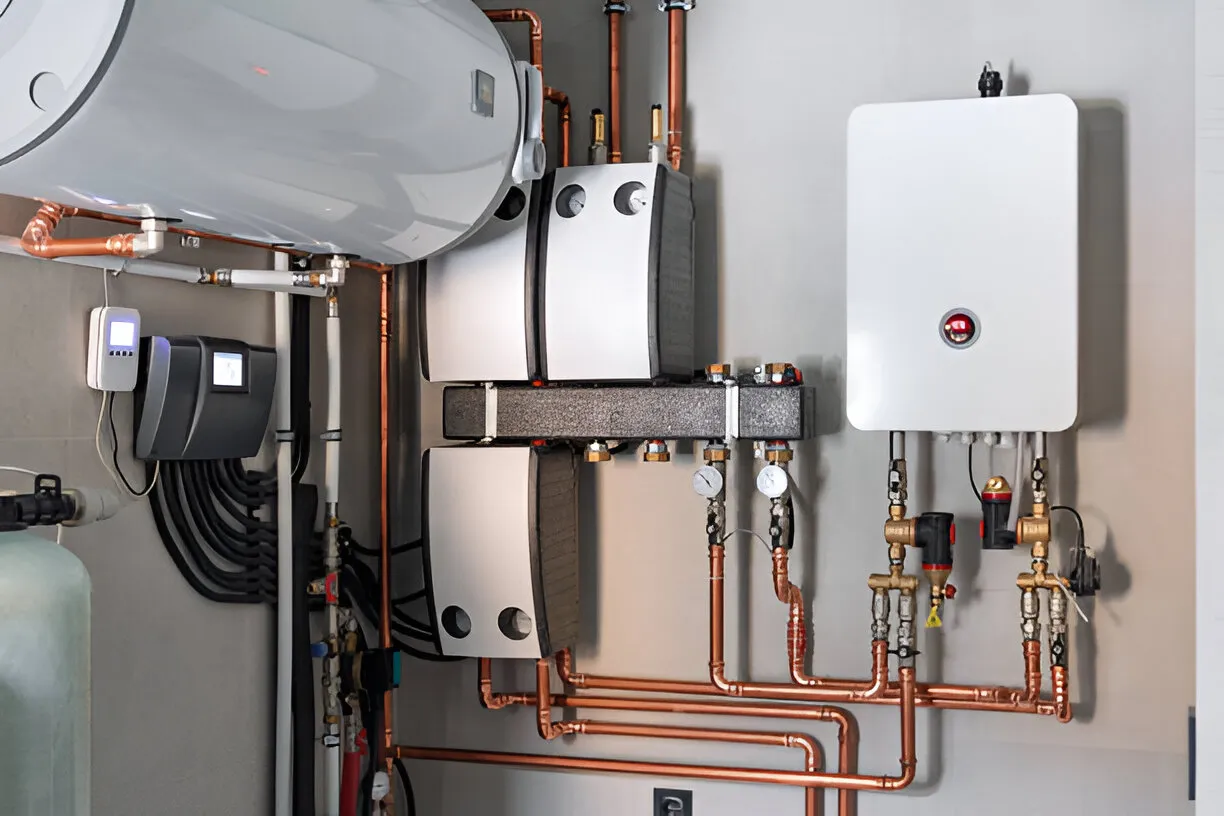
- Boiler-specific problems — pressure loss, noisy radiators, or pilot/ignition faults in hydronic systems common to Downtown historic buildings.
Types of heating service offered
- Diagnostics and system evaluation — thorough checks to identify root causes rather than temporary fixes.
- Routine maintenance and tune-ups — seasonal inspections that extend equipment life and improve efficiency.
- Repairs — parts replacement and system repairs for furnaces, boilers, ductless systems, and heat pumps.
- System replacement and upgrades — evaluation and installation of modern, higher-efficiency systems appropriate for Downtown footprints.
- Emergency response — after-hours diagnostics and repairs for loss-of-heat situations during extreme weather.
- Service agreements / maintenance plans — scheduled maintenance, priority service, and documented inspections for recurring care.
How technicians assess heating systems
Technicians use a consistent, safety-first process to diagnose heating systems in Downtown Columbus homes and buildings:
- Initial interview and symptom review — confirm what the occupant is experiencing and the timeline of issues.
- Visual and safety inspection — check for combustion safety, gas line integrity, flue and venting conditions, visible leaks, and electrical connections.
- Operational checks — run the system through start-up and shutdown cycles to observe behavior, thermostat response, and control operation.
- Measurements and testing — measure temperatures, pressures, airflow, and combustion efficiency as appropriate to furnaces, boilers, or heat pumps.
- Duct and distribution assessment — inspect accessible ducts and registers for blockages, leaks, and balancing issues common to older Downtown buildings.
- Diagnostic reporting — provide a clear summary of findings, recommended repairs or tune-ups, and estimated time to resolve.
Technicians familiar with Downtown Columbus also factor in building age, local utility availability (natural gas is common), and space constraints that affect repair and replacement options.
Typical turnaround times
Turnaround depends on the problem and part availability:
- Diagnostics — many on-site diagnostic visits are completed during a single appointment (30–90 minutes).
- Minor repairs (filters, thermostats, burners, igniters) — often completed the same visit when parts are on the truck.
- Moderate repairs (motors, control boards, valves) — typically completed within 24–72 hours once the correct parts are sourced.
- Major repairs or replacements (heat exchanger, full furnace/boiler replacement) — scheduling and installation usually take several days to coordinate, especially in constrained Downtown properties where access and permits can extend timelines.
Emergency situations during extreme cold often receive expedited attention; response is prioritized to minimize risk to occupants and property.
Repairs and solutions explained simply
- Filters and airflow: Replacing dirty filters restores airflow and prevents strain on blowers. This is a common, fast solution that improves comfort immediately.
- Ignition and pilot issues: Modern furnaces use electronic ignition; technicians test and replace igniters or pilots to restore reliable startup.
- Blower and motor repairs: Noisy or weak air movement points to blower problems. Replacing or refurbishing motors restores circulation and reduces energy use.
- Heat exchangers and boilers: Cracked heat exchangers or leaking boilers require careful evaluation for safety and may necessitate replacement rather than repair.
- Duct sealing and balancing: Sealing leaks and balancing air registers eliminate cold spots and improve overall efficiency, particularly in older Downtown properties with complex duct runs.
- System upgrades: In many Downtown units, upgrading to a high-efficiency furnace, a modulating boiler, or a ductless heat pump can reduce energy use and provide more consistent comfort in tight spaces.
Service agreements and preventive care
Service agreements (maintenance plans) offer predictable, scheduled care designed to avoid emergency breakdowns. Typical benefits included in such plans:
- Seasonal tune-ups to catch wear before failures.
- Priority scheduling for busy winter months.
- Documentation of service history, which helps when assessing long-term equipment decisions.
- Recommended parts and labor guidelines for covered repairs.
In Downtown Columbus, a maintenance plan pays dividends by preventing freeze-related damages and reducing the risk of mid-winter outages.
Parts, warranties, and transparency
Professional heating services separate manufacturer parts warranties from labor warranties. Typical practices include:
- Manufacturer parts warranties that cover defective components for a set period.
- Limited labor warranties offered on specific repairs or replacements for a stated time.
- Written estimates and scope of work before any non-emergency repairs begin, with clear explanation of what is and is not covered by warranties.
- Use of OEM or equivalent parts based on system type, age, and availability.
Expect transparent documentation: diagnostic findings, recommended solutions, parts to be used, and applicable warranty terms.
Why timely heating service matters in Downtown Columbus
Prompt, professional heating service protects occupants and property, reduces long-term energy costs, and preserves equipment value. In Downtown Columbus, where older buildings and modern systems often coexist, routine care prevents disproportionate repair bills that come from deferred maintenance. Seasonal tune-ups, early detection of leaks or electrical wear, and proper system sizing all lead to safer, more comfortable living through the cold months.
Quick maintenance tips for Downtown Columbus properties
- Replace or clean filters every 1–3 months during heavy use.
- Keep vents and radiators free of furniture or drapes for proper distribution.
- Check thermostat batteries and settings before the heating season.
- Insulate exposed pipes and monitor for early signs of leaks during freezes.
- Schedule annual inspections for furnaces and boilers before winter arrives.
- Consider zoning or duct improvements to address uneven heating in multi-level units.
Comprehensive heating service in Downtown Columbus, OH means diagnostics, timely repairs, and maintenance adapted to the unique challenges of urban living — from historic radiators to compact, modern systems. Prioritizing safety and efficiency now reduces emergency disruptions and helps ensure reliable comfort all winter long.
Hot Deals & Cool Savings

.webp)
New Service Agreement Membership
.webp)
Any New Client Service
Next Service for Referring a New Client
New Service Agreement Membership
Any New Client Service
Next Service for Referring a New Client
.webp)
.webp)
Service Areas