
Furnace Tune-Up in Downtown Columbus, OH
Furnace tune-up service in Downtown Columbus, OH helps prevent breakdowns, improve efficiency, and ensure safe operation. Schedule your tune-up today.

Furnace Tune Up in Downtown Columbus, OH
Keeping your furnace running reliably through Downtown Columbus winters starts with a proper furnace tune up. A seasonal tune up is not just a quick check - it is a targeted inspection and maintenance service that prevents breakdowns, improves comfort in urban homes and apartments, and lowers energy costs. For Downtown Columbus, OH residents and building managers, routine tune ups are especially important because cold, damp winters and older building heating systems increase wear and safety risks.
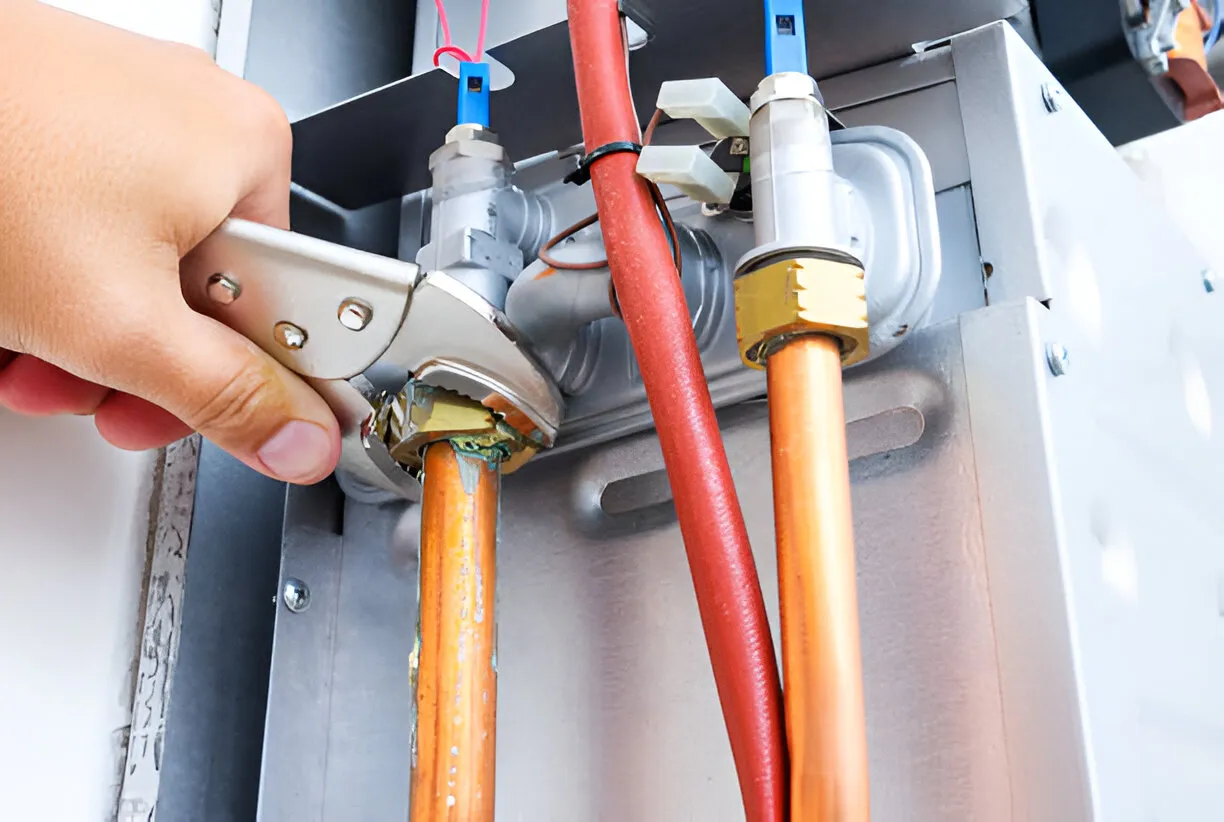
Why a furnace tune up matters in Downtown Columbus, OH
Downtown Columbus sees cold snaps, heavy humidity shifts, and temperature swings from fall into winter. These conditions place extra stress on heating systems, especially in:
- Older row houses and converted lofts with aging ductwork
- Mid-rise and high-rise HVAC systems with centralized controls
- Homes with limited airflow due to sealed windows and insulation upgrades
A professional furnace tune up addresses common local pain points: inconsistent heat, higher utility bills, noisy operation, and safety hazards like carbon monoxide risk from incomplete combustion. A seasonal tune up ensures your system operates efficiently and safely during peak demand months.
Common furnace tune up issues in Downtown Columbus, OH
- Reduced efficiency from dirty burners, filters, and flame sensors
- Frequent short cycling caused by poor airflow or a malfunctioning thermostat
- Ignition problems or delayed pilot light in older systems
- Safety concerns such as cracked heat exchangers or improper combustion
- Clogged condensate lines or drainage issues in high-humidity periods
- Uneven heating in multi-zone or multi-story downtown homes
What a complete furnace tune up includes
A full tune up follows a systematic checklist to diagnose, clean, and calibrate your furnace. Core tasks include:
- Visual inspection of the entire furnace and surrounding area for leaks, corrosion, or signs of wear
- Combustion and safety tests:
- Combustion analysis to verify proper fuel-to-air ratio and efficient burning
- Carbon monoxide and flue gas checks to confirm safe exhaust operation
- Heat exchanger inspection for cracks or corrosion that could leak combustion gases
- Electrical and control checks:
- Inspecting and testing the thermostat and control board
- Tightening electrical connections and testing safety switches and limit controls
- Ignition and burner maintenance:
- Cleaning burners and inspecting the pilot or ignition assembly
- Verifying a strong, steady flame and proper burner operation
- Airflow and filtration:
- Checking and cleaning filters, blower housing, and fan assembly
- Measuring airflow and static pressure to ensure proper circulation
- Inspecting duct connections for leaks or restriction, particularly in older downtown homes
- Component cleaning and lubrication:
- Cleaning flame sensors, burners, and accessible internal surfaces
- Lubricating motors and bearings when applicable
- System calibration:
- Adjusting burner settings, gas pressure checks, and thermostat calibration
- Testing system startup and full cycle operation to confirm stability
The tune up process - what to expect during service
A professional technician will start with a system history and visual walkthrough of your heating setup. They will then perform diagnostic tests and systematic cleaning in the order above. Expect the technician to:
- Run combustion and safety tests before and after adjustments
- Replace or recommend filters and small consumable parts when necessary
- Document readings such as static pressure, CO levels, and airflow for future comparison
- Explain identified issues, probable causes, and recommended repairs in plain language
This step-by-step approach reduces the chance of missed problems and helps prioritize repairs that prevent costly mid-winter failures.
Recommended tune up frequency
- Annual tune up for most residential furnaces, scheduled before the heating season (September to November in Columbus)
- Biannual service for older systems, high-use units, or homes with multiple HVAC zones
- Twice-yearly checks for properties enrolled in a maintenance plan or for systems with known issues
Regular seasonal tune ups are the most effective way to maintain efficiency, extend equipment life, and reduce emergency service needs.
Benefits of regular furnace tune ups
- Improved efficiency - Clean burners and optimized controls reduce fuel use and lower heating bills
- Fewer breakdowns - Preventive maintenance catches worn components before they fail during extreme weather
- Enhanced safety - Combustion testing and heat exchanger inspections reduce carbon monoxide risk
- Longer equipment life - Routine lubrication and calibration slow wear on motors and mechanical parts
- Better comfort - Proper airflow and calibrated controls deliver consistent temperatures throughout the home
For Downtown Columbus buildings, these benefits translate directly into fewer service calls during the coldest months and more predictable operating costs.
Signs you need a tune up sooner
If you notice any of the following, schedule a tune up or inspection promptly:
- Strange odors or visible soot near the furnace
- Unusual noises such as banging, rattling, or persistent short cycling
- Noticeable rise in energy bills without lifestyle changes
- Yellow or flickering burner flame instead of a steady blue flame
- Frequent pilot outages or ignition delays
Addressing these signs early prevents safety risks and major repairs.
Seasonal timing and maintenance plans
For Downtown Columbus, the ideal time for a furnace tune up is early autumn, before sustained cold weather arrives. Scheduling in September or October lets you identify issues when parts are most available and avoids peak winter emergency demand.
Maintenance plans offer predictable, scheduled tune ups and added benefits such as priority service, parts discounts, and documented service records. For urban properties with complex systems, a maintenance plan reduces administrative overhead and helps preserve system warranties.
Practical homeowner tips after a tune up
- Change or clean filters monthly during heavy use months
- Keep furnace area clear of clutter and flammable materials
- Monitor thermostat performance and maintain consistent setpoints to reduce cycling
- Note any unusual sounds or smells and compare readings on your service report at the next tune up
Regular attention between professional tune ups keeps systems running at peak performance.
Hot Deals & Cool Savings

.webp)
New Service Agreement Membership
.webp)
Any New Client Service
Next Service for Referring a New Client
New Service Agreement Membership
Any New Client Service
Next Service for Referring a New Client
.webp)
.webp)

Service Areas
