
Heating Tune-Up in Clintonville, OH
Heating Tune Up Clintonville, OH: ensure safe, efficient furnace and boiler operation with professional inspection, cleaning, and preventative maintenance. Learn more.

Heating Tune Up in Clintonville, OH
A seasonal heating tune up in Clintonville, OH ensures your furnace, boiler, or heat pump runs safely, efficiently, and reliably through cold Central Ohio winters. Tune-ups catch small problems before they become midwinter breakdowns, improve comfort in older, draft-prone Clintonville homes, and reduce energy waste from clogged or misadjusted systems. Below is a clear, decision-stage guide explaining what a professional heating tune up covers, common local issues, recommended replacements, and how tune-ups fit into a long-term maintenance plan.
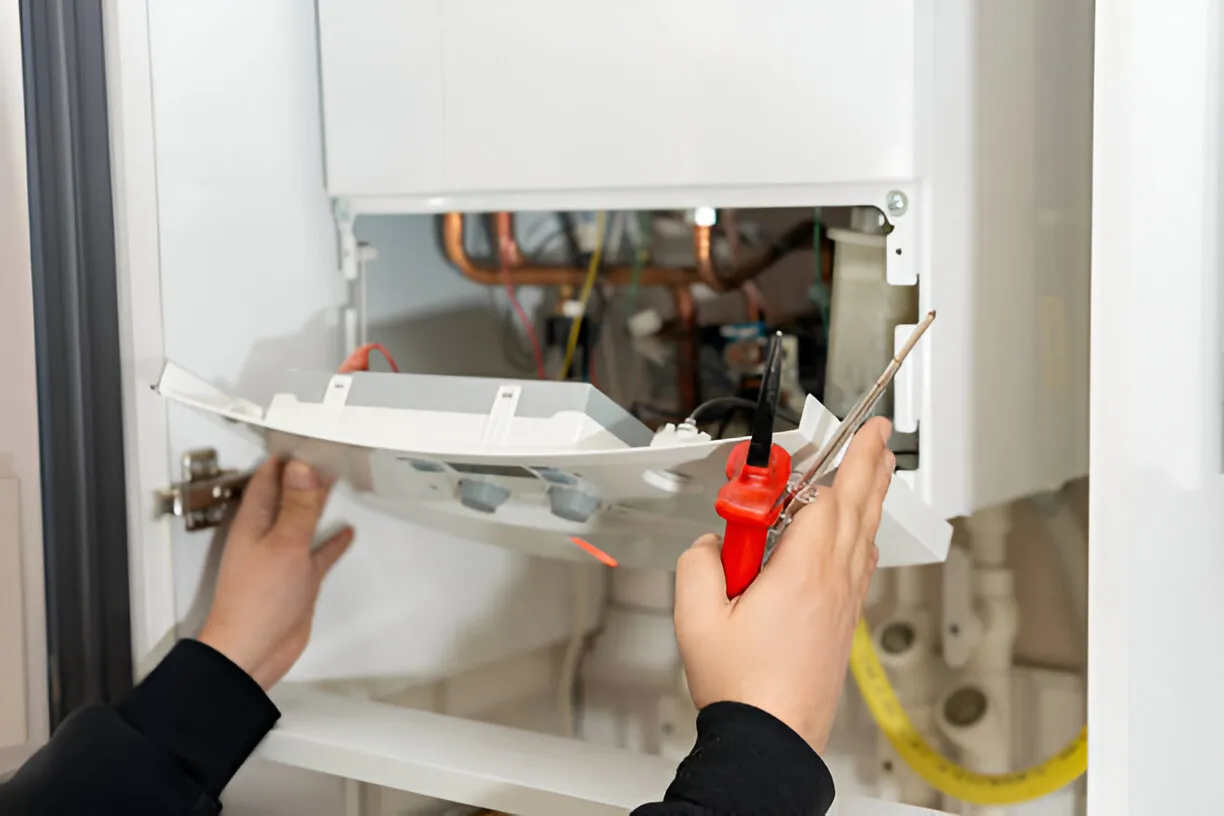
What a complete heating tune up covers
A professional tune-up is more than a quick inspection. Typical scope for a heating tune up in Clintonville includes:
- Safety checks for combustion, venting, and carbon monoxide risk
- Visual and hands-on inspection of major system components
- Cleaning of burners, heat exchanger surfaces, blower assembly, and condensate paths
- Controls, thermostat, and electrical connection testing and adjustments
- Airflow and duct basic assessment (leaks, blocked returns)
- Filter inspection and replacement recommendations
- Performance testing to confirm efficient operation and correct fuel/electric use
Common heating tune-up issues in Clintonville homes
Clintonville’s older houses, tree-lined streets, and Ohio’s cold, damp winters create a few recurring problems technicians see during tune-ups:
- Restricted airflow from clogged filters or partially closed vents in older radiators or ducts
- Corroded or cracked heat exchangers in older furnaces (safety risk)
- Dirty burners or flame sensors causing ignition problems or reduced heat output
- Improper combustion due to stale gas pressure or blocked vents leading to higher CO risk
- Reduced efficiency in heat pumps after summer cooling season without spring/fall service
- Moisture-related corrosion in boilers or venting during prolonged wet weather
Detailed inspection checklist
A standardized checklist helps ensure nothing is missed during a tune-up. Key items include:
- Visual system overview: model, age, obvious damage, rust, leaks
- Thermostat calibration and controls verification
- Filter type and condition; replacement if needed
- Burners and pilot/ignition system: clean and test for consistent flame
- Heat exchanger inspection for cracks or corrosion (furnaces)
- Combustion analysis for gas appliances: CO, oxygen, and efficiency readings
- Flue and venting inspection: clearances, draft, corrosion, animal nests or blockages
- Blower assembly: clean fan, check belt tension, motor amperage
- Electrical components: wiring, fuses, breakers, relays, control board checks
- Safety device tests: limit switches, pressure switches, high-temperature cutouts
- Distribution check: basic ductwork or radiator inspection for leaks and insulation gaps
- Condensate handling and drain lines (condensing furnaces and boilers)
Cleaning and adjustment procedures
Professional tune-ups include targeted cleaning and mechanical adjustments that restore safe operation:
- Remove dust and debris from blower wheels and motor housing to restore airflow
- Clean burners and flame sensors to ensure reliable ignition and proper flame pattern
- Vacuum or brush heat exchanger surfaces when accessible; visually inspect for damage
- Adjust gas valve pressure and pilot or ignition timing for consistent combustion
- Lubricate motor bearings where applicable and tighten electrical connections to prevent arcing
- Balance airflow by adjusting blower speed or dampers and verify temperature rise across furnace
- Clear condensate traps and drains to prevent backed-up water and corrosion
Safety and performance checks
Safety is the top priority during any heating tune up. Technicians will:
- Perform a carbon monoxide test at the appliance and in living space when required
- Confirm proper venting and draft to prevent exhaust backflow
- Measure amperage and voltage to key components to detect failing motors or controls
- Check heat rise across the furnace to confirm correct airflow and burner adjustment
- Test all safety and limit switches for proper operation and reset behavior
Filter and component replacement recommendations
Replacing overlooked components during a tune-up prevents repeat service calls and extends equipment life:
- Filters: Recommend MERV or pleated filters sized for the system; in dusty Clintonville homes, replace every 1–3 months during heavy-use seasons
- Flame sensor cleaning or replacement if sticking after cleaning
- Ignition modules or pilots for unreliable starts — ignition parts often fail as systems age
- Belts, bearings, and capacitors showing wear — these are inexpensive compared to motor replacement
- Duct sealing or insulation upgrades where significant leakage or energy loss is found
- Humidifier pads and controls checked and replaced seasonally if present (helps winter comfort in older homes)
Benefits you can expect after a tune-up
A professional heating tune up delivers measurable benefits that matter for homeowners deciding on service:
- Improved efficiency and lower energy use; many systems show noticeable savings after cleaning and adjustment (often 5–15% when neglect has been corrected)
- Reduced risk of midseason breakdowns through proactive component replacement and diagnostics
- Safer operation with lower carbon monoxide and fire risks thanks to combustion and vent checks
- More consistent comfort and fewer cold spots in rooms when airflow and controls are tuned
- Extended equipment life by reducing wear from misaligned or dirty components
How tune-ups fit into a maintenance plan
An annual tune-up is a core component of a practical home comfort maintenance plan:
- Furnaces and boilers: schedule one tune-up in the fall before heavy use; boilers may also benefit from a spring inspection for summer issues
- Heat pumps: recommended twice yearly (spring and fall) to cover both cooling and heating seasons
- Keep a service history: records of yearly tune-ups simplify troubleshooting and preserve equipment value
- Combine tune-ups with filter subscription or seasonal checks for humidifiers and ventilation to maximize comfort and efficiency
- Membership plans typically include scheduled visits, priority scheduling during outages, and discounts on repair parts — they centralize preventive care and reduce emergency costs
Quick seasonal tips for Clintonville homes
- Schedule fall tune-ups before sustained cold arrives to avoid wait times during peak demand
- Replace pleated filters before heavy-use months and after remodeling or yard work that adds dust
- If your home is drafty, tune-ups plus a duct inspection and basic air sealing can significantly improve comfort and lower bills
- Watch for yellow pilot lights, soot, or excessive soot smell — these are signs to have combustion and venting checked immediately
A thorough heating tune up in Clintonville, OH is an investment in safety, efficiency, and peace of mind. Proper seasonal maintenance keeps older homes comfortable through cold Ohio winters while protecting your heating equipment from premature failure.
Hot Deals & Cool Savings

.webp)
New Service Agreement Membership
.webp)
Any New Client Service
Next Service for Referring a New Client
New Service Agreement Membership
Any New Client Service
Next Service for Referring a New Client
.webp)
.webp)

Service Areas
