
Furnace Repair in Clintonville, OH
Furnace repair service in Clintonville, OH ensures safe, reliable heat with expert diagnostics, clear pricing, and warranties. Schedule now.

Furnace Repair in Clintonville, OH
Keeping your furnace reliable through Columbus-area winters is essential for comfort and safety in Clintonville homes. When a furnace shows signs of trouble — no heat on a subfreezing night, short cycling, or unusual noises — prompt, expert furnace repair prevents larger failures, improves efficiency, and reduces carbon monoxide or fire risks.
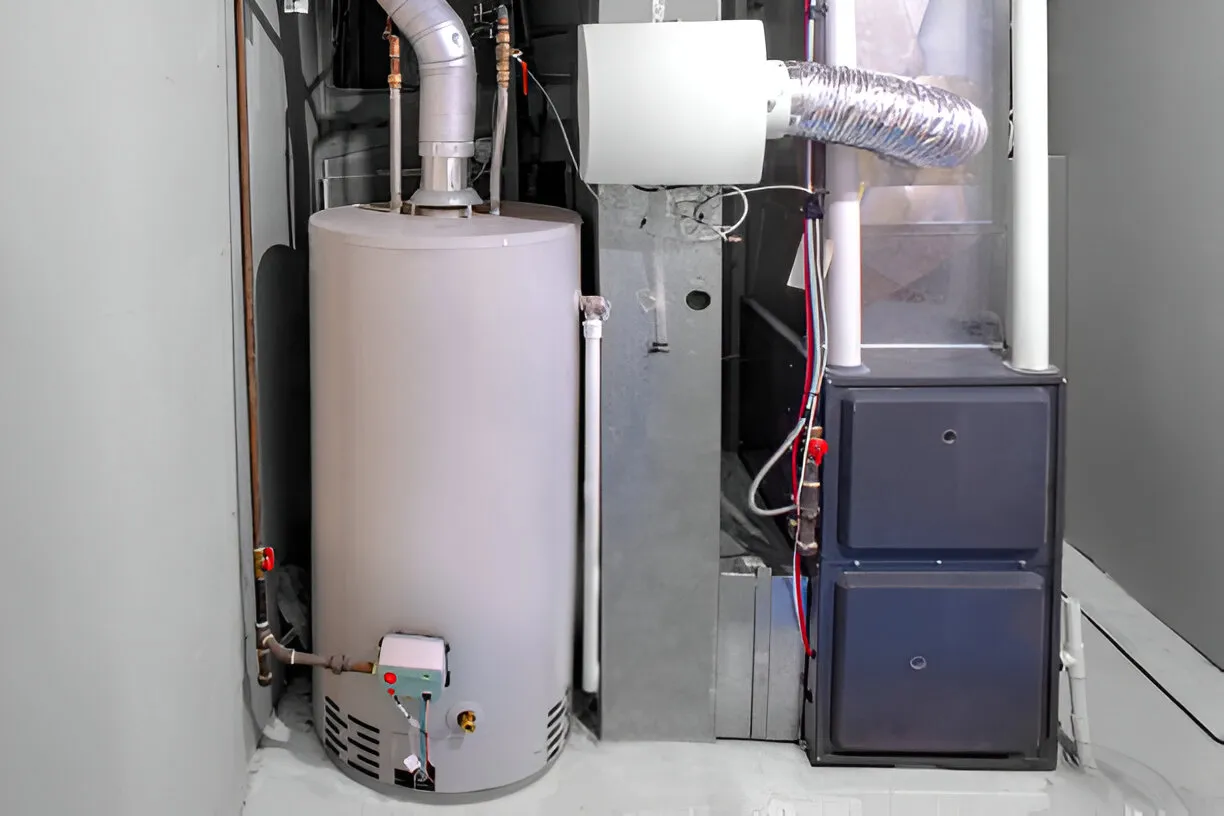
Common furnace problems in Clintonville and what they mean
Columbus winters bring frequent heating demand. That repeated cycling, combined with seasonal temperature swings, can reveal or accelerate furnace issues. Common symptoms include:
- No heat at all: Could be thermostat issues, tripped breakers, failed ignition systems, closed gas valves, or a dead control board.
- Intermittent heat or failure to stay on: Often caused by faulty thermostats, loose wiring, or control board malfunctions.
- Short cycling (turning on and off frequently): Usually a blocked airflow (dirty filter or obstructed vents), an overheating limit switch, or a failing pressure switch. Short cycling raises energy use and wears parts faster.
- Strange noises (rattling, humming, banging, or squealing): Rattling or banging can signal loose panels, delayed ignition, or cracked heat exchangers. Humming often points to an electrical or motor issue. Squealing or screeching typically indicates worn belts or motor bearings.
- Weak airflow or uneven heating: Often caused by failing blower motors, clogged filters, duct issues, or a failing capacitor.
- Odors or soot: A persistent burning smell, strong fuel odor, or visible soot requires immediate inspection for combustion problems or gas leaks.
What a thorough diagnostic looks like
A systematic diagnosis isolates the root cause quickly and safely. Typical diagnostic steps include:
- Verify symptoms and system history: Confirm thermostat settings, onset of issue, and any recent maintenance or changes.
- Safety and power checks: Inspect electrical connections, breakers, and switches before opening the unit.
- Visual inspection: Check panels, filters, flame pattern, burners, venting, and the heat exchanger for cracks or corrosion. A cracked heat exchanger is a serious safety hazard.
- Ignition and combustion checks: Test pilot or electronic ignition, flame sensor, and burners for proper operation and clean combustion.
- Motor and blower evaluation: Measure motor amps, inspect blower wheel, belt condition, bearings, and capacitor health.
- Control and safety device tests: Evaluate limit switches, pressure switches, gas valve operation, and control board diagnostics.
- Gas and venting safety: Inspect gas supply lines and fittings (sniff or test for leaks), verify venting is clear and drafting properly, and check for backdrafting.
- Post-repair verification: Run the system through multiple cycles to ensure consistent operation and proper safety function.
On-site diagnostics typically take 30 to 90 minutes, depending on system accessibility and the issues uncovered.
Common component repairs and typical fixes
Many furnace failures are attributable to a handful of components. Repairs focus on restoring safe, reliable operation:
- Ignition systems (hot surface ignitors or intermittent pilots): Clean or replace the ignitor, check control signals, and verify reliable ignition sequencing.
- Burners and flame sensors: Clean and adjust burners, replace corroded flame sensors, and correct fuel/air mixture for steady combustion.
- Blower motors and belts: Replace worn motors or belts, clean blower wheels, and test motor capacitors to regain proper airflow.
- Gas valves and regulators: Test operation and replace failing valves while ensuring proper gas pressure and secure fittings.
- Control boards and relays: Diagnose error codes, replace failed relays or boards, and reprogram controls if necessary.
- Limit switches and pressure switches: Replace faulty safety switches that cause shutdowns or short cycling.
- Heat exchanger issues: If cracks or severe corrosion are found, replacement or system replacement may be required due to safety concerns.
Technicians explain whether repair or replacement is the safer, more cost-effective choice based on system age, condition, and expected remaining life.
Response times and what to expect
During cold snaps, timely service prevents discomfort and hazards. Emergency situations (no heat and risk to occupants) are prioritized, with many service providers offering same-day or next-business-day emergency response. Routine diagnostic visits are often scheduled within 24 to 48 hours. On arrival, a technician typically performs an initial assessment and provides a clear, written estimate before any parts are changed or additional work is performed.
Pricing transparency and repair decisions
Clarity in pricing helps homeowners make informed choices without surprises. That transparency usually includes:
- A written estimate that separates labor and parts and describes the repairs required.
- Explanation of repair versus replacement economics, including expected lifespan and energy implications.
- Disclosure of any available warranties on parts and labor and what those warranties cover.
Estimates should spell out what’s included in the work and any conditions that could change scope or price.
Warranty coverage and documentation
Repaired parts typically carry a manufacturer parts warranty and may also be covered by a labor warranty provided by the service technician. Proper warranty handling includes recording part serial numbers, retaining purchase and installation documentation, and registering warranty claims where required. Technicians should clearly explain warranty durations and any steps homeowners must take to keep warranties valid.
Safety checks performed after repair
Safety verification is non-negotiable after furnace service, especially in a region with cold winters. Key post-repair checks include:
- Combustion efficiency and flame inspection to ensure clean, stable burning.
- Carbon monoxide testing near the unit and in living spaces to verify safe indoor air.
- Gas leak checks on lines and connections.
- Venting and flue integrity to confirm proper exhaust flow.
- Electrical safety checks, including secure wiring and correct grounding.
- Operational cycle testing across multiple heat calls to confirm stable performance.
Technicians document these checks and leave homeowners with a clear summary of findings and any recommended follow-up.
Preventive maintenance and long-term benefits
Regular, seasonal maintenance reduces emergency repairs and helps furnaces run more efficiently through Clintonville’s cold months. Typical maintenance includes filter replacement, burner cleaning, blower lubrication, safety control tests, and a full combustion inspection. Benefits of regular upkeep are longer equipment life, lower energy use, improved indoor comfort, and enhanced safety.
If your furnace shows any worrying symptoms or it’s been more than a year since the last inspection, professional diagnosis and repair protect your home and family, prevent costly failures, and keep your system ready for the next cold stretch in Clintonville.
Hot Deals & Cool Savings

.webp)
New Service Agreement Membership
.webp)
Any New Client Service
Next Service for Referring a New Client
New Service Agreement Membership
Any New Client Service
Next Service for Referring a New Client
.webp)
.webp)

Service Areas
