
Heating Replacement in Clintonville, OH
Heating replacement service in Clintonville, OH — learn the steps, costs, and timeline to upgrade your home. Get started today.

Heating Replacement in Clintonville, OH
Replacing an aging or inefficient heating system is a big decision for Clintonville homeowners. With Columbus-area winters that often dip below freezing and occasional extended cold snaps, a reliable, efficient heating system keeps your household safe and comfortable while controlling utility costs.
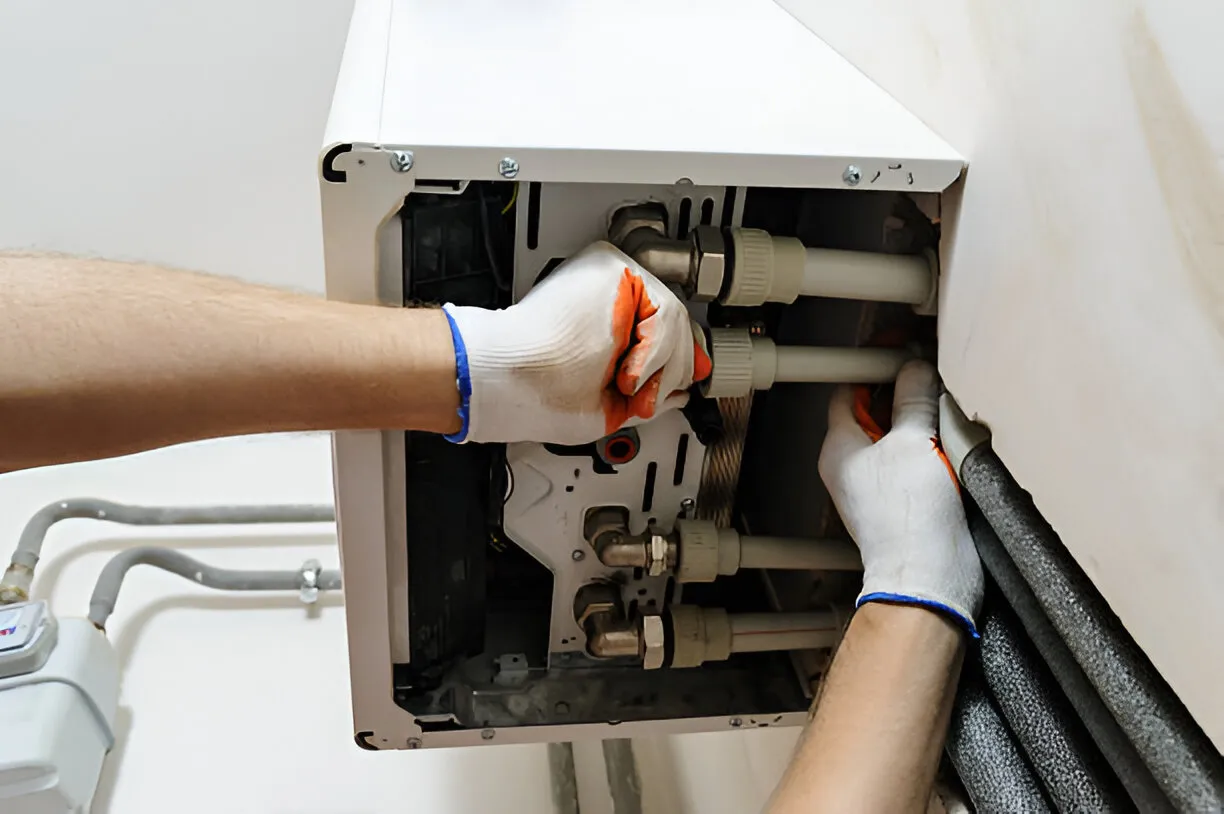
When to repair vs replace
Deciding whether to repair or replace comes down to age, frequency of breakdowns, cost of repairs, efficiency, and safety.
- Age: Furnaces older than 15-20 years and boilers older than 20 years are typically past their prime. Components wear out and replacement parts become scarce.
- Repeated repairs: If you are calling for the same or different repairs multiple times a year, replacement often makes more financial sense.
- Repair cost vs value: A common rule of thumb is if a single repair costs more than 50% of a new system component or if cumulative repairs approach 30-40% of replacement cost, consider replacing.
- Efficiency: Older furnaces and boilers often have AFUE (Annual Fuel Utilization Efficiency) ratings under 80%. Modern high-efficiency systems reach 95%+ AFUE, substantially lowering fuel bills in Clintonville’s cold months.
- Reliability and safety: Signs like yellow pilot lights, rust, cracks in heat exchangers, unusual odors, or frequent carbon monoxide tripping indicate immediate replacement for safety reasons.
- Comfort issues: Persistent cold spots, noisy operation, or poor airflow caused by mismatched or failing equipment may justify replacement rather than repeated repairs.
Common heating replacement scenarios in Clintonville
- Converting an old oil or inefficient gas furnace to a high-efficiency gas furnace or heat pump
- Replacing a failing boiler in older homes with a modern condensing boiler or replacing with a hydronic-compatible heat pump (where practical)
- Replacing a unit that cannot meet new insulation or air-sealing upgrades
- Upgrading undersized duct systems when installing higher-efficiency equipment
The heating replacement process — step by step
A professional replacement follows a methodical process to ensure safety, efficiency, and code compliance.
- Load calculation: A Manual J-style heat loss/heat gain calculation determines the correct system size for your Clintonville home to avoid oversizing or undersizing.
- System selection: Choose the type (furnace, boiler, heat pump, ductless) and efficiency level that suits your home, budget, and fuel availability.
- Site prep and permitting: Permits and local code checks are obtained if required. Older Clintonville homes may require electrical or ventilation upgrades.
- Removal: The old system is safely disconnected, refrigerant (if present) is recovered, and equipment is removed for recycling or disposal.
- Installation: New equipment is set, ductwork or piping modifications are made, condensate lines and venting are installed, and electrical connections are completed.
- System checkout: The technician commissions the system, checks safety controls, and optimizes settings for efficiency and comfort.
- Owner orientation and paperwork: You get operation guidance, warranty documentation, and information about maintenance requirements and rebate paperwork if applicable.
Comparing system types for Clintonville homes
- High-efficiency gas furnace
- Pros: Strong heating performance in very cold weather; familiar to most Columbus homes; high AFUE (90-98%).
- Cons: Relies on natural gas supply; combustion safety concerns require proper venting and maintenance.
- Cold-climate air-source heat pump (including ductless options)
- Pros: Efficient heating and cooling in one system; recent models perform well in below-freezing temps; can reduce electric usage vs resistance heat.
- Cons: May need a backup heat source in extreme cold for some homes; performance depends on proper sizing and installation.
- Boiler (condensing)
- Pros: Excellent for homes with existing hydronic systems and radiators; very comfortable, consistent heat.
- Cons: Higher upfront cost; requires compatible piping and radiators.
- Hybrid systems
- Pros: Combine a heat pump with a gas furnace for optimal efficiency and backup heat in very cold weather.
- Cons: More complex controls and somewhat higher initial cost.
Energy-efficiency benefits and expected savings
Upgrading from a typical older furnace (<80% AFUE) to a modern 95%+ AFUE unit can reduce fuel use by 10-30%, depending on home insulation and usage patterns. Switching from electric resistance or very old equipment to a cold-climate heat pump can reduce heating energy consumption by 30-50% in many Central Ohio homes. Exact savings depend on:
- Current system efficiency and fuel type
- Home insulation and air sealing
- Local utility and natural gas prices
- Usage patterns and thermostat settings
Clintonville homeowners who combine a system upgrade with insulation, air sealing, and a programmable thermostat will see the best long-term savings.
Cost estimates and timeline
Costs vary by system type, home complexity, ductwork condition, and installation scope. Typical ranges for Clintonville-area homes:
- Basic gas furnace replacement: $3,500 to $7,500
- High-efficiency furnace (95%+ AFUE) with new venting: $5,000 to $9,500
- Cold-climate heat pump (air-source): $6,000 to $12,000 depending on capacity and whether ducts are reused
- Ductless mini-split heat pump system: $4,500 to $12,000 depending on number of zones
- Condensing boiler replacement: $6,000 to $14,000 depending on scope and radiators/piping work
- Hybrid systems: $7,500 to $15,000
Typical replacement timeline: 1 to 3 days for straightforward furnace swaps; 2 to 5 days for heat pump or boiler installations that require duct, electrical, or piping modifications. Complex retrofit projects in older homes can extend beyond a week.
Trade-in, disposal, and environmental practices
Proper disposal protects the environment and meets local codes:
- Refrigerant recovery: All refrigerant in heat pump or AC equipment must be recovered by certified technicians before disposal.
- Scrap and recycling: Metals, copper, and other recyclable parts are separated and recycled where possible.
- Hazardous waste handling: Oil tanks or components containing hazardous materials are handled per Ohio regulations.
- Permit and inspection compliance: Disposal and new installations are documented for permits and inspections when required by local authorities.
Expected lifespan and maintenance after replacement
New high-efficiency systems can last 15-25 years with proper maintenance. Annual tune-ups, filter changes, and addressing minor issues early extend service life and maintain efficiency. Consider a maintenance plan that includes annual safety checks, fuel combustion testing (for combustion systems), and priority service during cold spells.
Final considerations for Clintonville homeowners
Replacement is the right choice when your furnace or boiler is old, inefficient, unreliable, or unsafe. Choosing the right system means balancing immediate budget, long-term energy savings, the specifics of your Clintonville home (age, ductwork, existing fuel source), and how you prioritize comfort versus upfront cost. Proper sizing, quality installation, and ongoing maintenance are the keys to realizing the efficiency and comfort benefits of a new heating system in Clintonville, OH.
Hot Deals & Cool Savings

.webp)
New Service Agreement Membership
.webp)
Any New Client Service
Next Service for Referring a New Client
New Service Agreement Membership
Any New Client Service
Next Service for Referring a New Client
.webp)
.webp)

Service Areas
