
Heating Installation in Clintonville, OH
Heating Installation services in Clintonville, OH: expert home assessment, precise equipment sizing, professional installation, and post-install testing. Learn more today.

Heating Installation in Clintonville, OH
Replacing or installing a new heating system is one of the most important investments you can make for comfort, safety, and long-term energy savings in your Clintonville home. Winters in Columbus are cold and can be unpredictable, and many Clintonville houses are older with varied duct layouts and insulation levels.
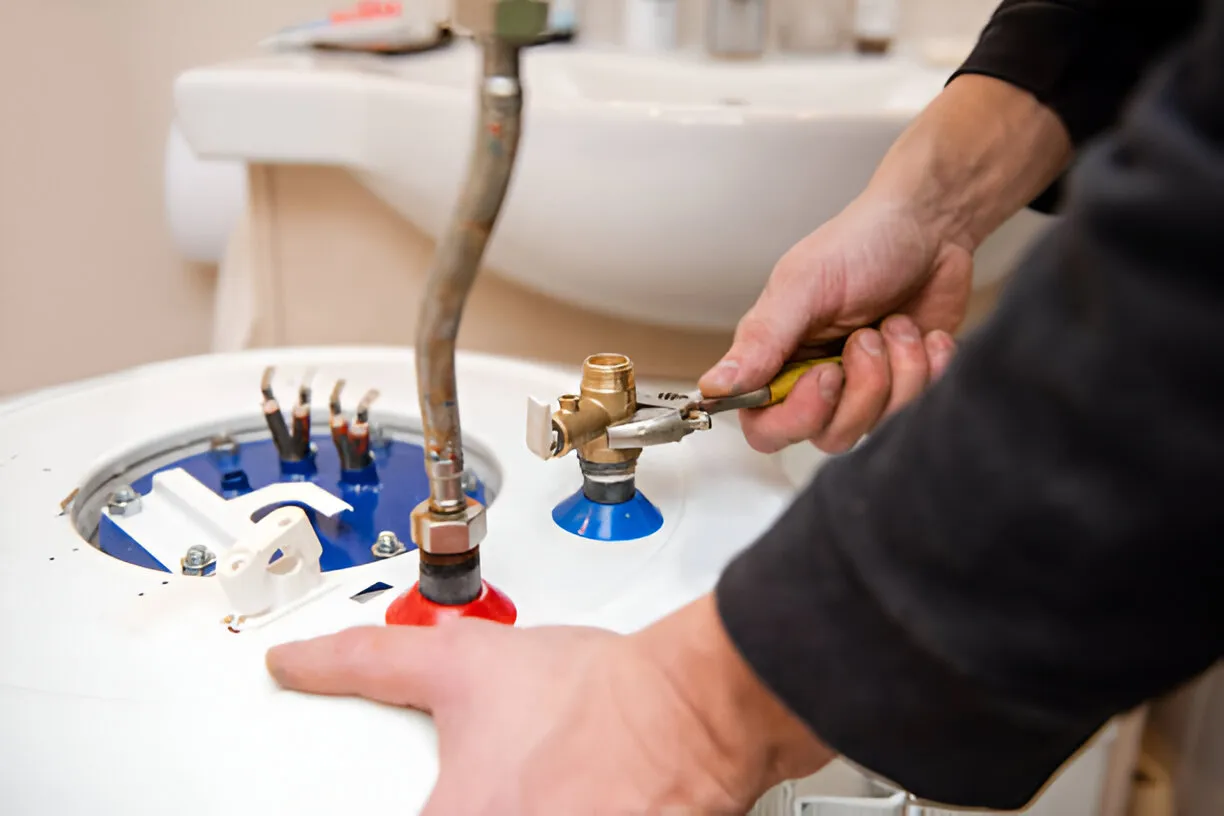
Why proper heating installation matters in Clintonville homes
- Older homes in Clintonville often have uneven heat distribution, undersized equipment, or ductwork issues that reduce efficiency.
- A correctly sized and installed system improves comfort, lowers energy bills, and reduces the risk of premature breakdowns.
- Proper combustion appliance setup and testing protect against carbon monoxide and ensure safe operation during Columbus winters.
Common heating installation projects in Clintonville
- Furnace installation or replacement (natural gas, propane, electric)
- High-efficiency heat pump installation or ductless mini-split heat pumps
- Boiler replacement and hydronic heating upgrades
- Full-system replacements including ductwork modification or zoning controls
- Converting from electric baseboard or aging systems to modern forced-air or heat pump solutions
Step 1 — Home assessment and load calculations
The first step is a thorough on-site assessment and Manual J load calculation to size equipment correctly:
- Inspect insulation levels, window types, orientation, and airtightness common to Clintonville homes.
- Measure room-by-room heat loss to determine required heating capacity in BTU/h or tons.
- Evaluate existing ductwork, registers, and venting to determine whether repairs or resizing are needed.A properly performed load calculation prevents oversized or undersized systems, both of which harm comfort and efficiency.
Step 2 — Equipment selection: efficiency ratings and sizing
Selecting the right equipment involves matching capacity, efficiency, and features to your home and budget:
- Furnaces: Look at AFUE ratings. Modern high-efficiency furnaces commonly range from mid 90s AFUE to 98.5 AFUE for condensing units.
- Heat pumps: Consider HSPF (heating performance) and SEER for combined heating/cooling performance. Cold-climate heat pumps perform better during Columbus winters.
- Boilers: Review thermal efficiency and compatibility with existing radiators or baseboards.
- Ductless systems: Ideal for homes without ductwork or for room-specific comfort needs.
- Consider features such as variable-speed blowers, two-stage heating, ECM motors, and smart thermostat compatibility to improve comfort and reduce operating costs.
Step 3 — Permits, scheduling, and timeline
Typical timelines vary by project complexity:
- Assessment and proposal: 1 to 2 days.
- Permit processing: 1 to 7 days depending on local jurisdiction and permit load.
- Straightforward furnace or heat pump swap (same footprint, minimal duct changes): usually completed in 1 day.
- Installations requiring ductwork modification, condensate lines, new gas lines, or boiler piping: 1 to 3 days.
- Full system replacements with zoning or control upgrades: 2 to 4 days.Weather, parts availability, and required inspections can affect the schedule. Planning ahead for peak seasons, such as late fall, reduces delays.
Step 4 — Removal of old equipment and preparation
Removal and site preparation include:
- Safe disconnection of power, gas, and refrigerant as applicable.
- Proper removal and disposal of the old unit in accordance with local regulations.
- Inspection and sealing of duct connections, framing or platform prep, and ensuring proper venting and combustion air for gas appliances.
Step 5 — Installation best practices
Key installation practices that affect performance and longevity:
- Correct equipment placement, level mounting, and vibration isolation.
- Properly sized and sealed ductwork, correctly balanced registers, and use of high-quality insulation where ducts run through unconditioned spaces.
- Appropriate venting and combustion air management for gas or oil systems.
- Refrigerant charge and airflow set to manufacturer specifications for heat pumps and air handlers.
- Electrical wiring and control wiring completed to code, and thermostat wiring routed cleanly.
Post-installation testing and walkthrough
After installation, thorough testing ensures safety and performance:
- Start-up checks: confirm correct fuel/charge, ignition, and safe operation.
- Combustion analysis and carbon monoxide testing for combustion appliances.
- Airflow measurement and static pressure checks to confirm duct performance.
- Thermostat calibration and programming for efficiency and zoning.
- A walkthrough with the homeowner to explain operation, maintenance needs, and filter replacement schedules.
- Provide documentation: equipment manuals, warranty papers, and service records.
Warranty details and maintaining coverage
Warranties typically include several parts:
- Manufacturer parts warranty: often ranges from 5 to 10 years; some high-end components like heat exchangers can have extended or lifetime warranties when registered.
- Compressor warranty (heat pumps): often 5 to 10 years, depending on the brand.
- Labor warranty: varies by installer and may cover 1 year or longer when service plans are purchased.
- Important: many manufacturers require system registration and annual maintenance to keep warranties valid. Keep service records and register equipment promptly.
Rebates, incentives, and financing options
Homeowners in the Columbus area may qualify for incentives that improve payback on high-efficiency equipment:
- Federal tax credits for qualifying high-efficiency heat pumps and electrification upgrades may be available.
- Local utility programs or state energy efficiency rebates sometimes offer incentives for ENERGY STAR rated equipment or home performance upgrades.
- Many installers and lenders offer financing options to spread the cost over time, and some rebate programs require specific equipment tiers or certified installers.Review current incentive programs and eligibility before purchase, and keep rebate documentation and receipts if applying.
Benefits and maintenance after installation
A properly selected and installed heating system delivers:
- Improved year-round comfort and more consistent indoor temperatures in Clintonville homes.
- Reduced energy bills through higher AFUE or heat pump efficiencies.
- Longer equipment life and fewer emergency repairs when installed correctly and maintained.
- Better indoor air quality when paired with proper filtration, humidification, or ventilation strategies.Maintenance recommendations to protect your investment:
- Replace filters regularly and follow the manufacturer service schedule.
- Schedule annual preventive maintenance to inspect burners, heat exchangers, refrigerant levels, and controls.
- Keep registers and returns clear and ensure proper thermostat settings for seasonal efficiency.
This complete approach to heating installation — accurate load calculation, careful equipment selection, code-compliant installation, and detailed post-install testing — is what ensures a safe, efficient, and comfortable home heating system for Clintonville homeowners.
Hot Deals & Cool Savings

.webp)
New Service Agreement Membership
.webp)
Any New Client Service
Next Service for Referring a New Client
New Service Agreement Membership
Any New Client Service
Next Service for Referring a New Client
.webp)
.webp)

Service Areas
