
Heating Service in Clintonville, OH
Professional heating service in Clintonville, OH delivers diagnostics, maintenance, emergency repairs, and system upgrades—learn more today to stay warm.

Heating Service in Clintonville, OH
Keeping your home warm and safe during Clintonville winters starts with reliable heating service. Whether you need a fast repair when the furnace stops, a seasonal tune-up to improve efficiency, or a full system replacement, expert heating service in Clintonville, OH helps prevent breakdowns, lower energy bills, and protect your family from cold-weather hazards.
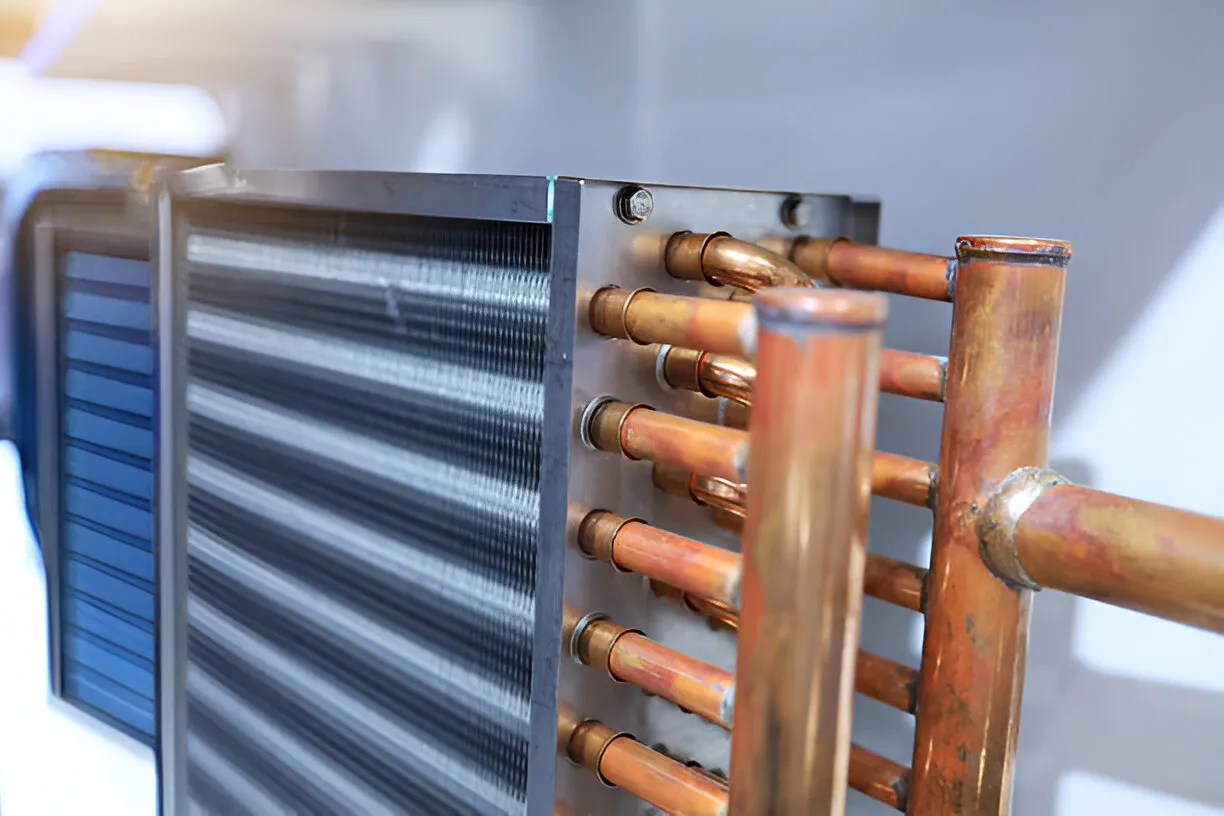
Common heating issues in Clintonville, OH homes
Clintonville has older neighborhoods and a continental climate with cold winters. These conditions create a predictable set of heating problems:
- Furnace not starting or short-cycling after brief runtimes
- Uneven heating from duct leaks, closed or blocked vents
- Pilot light or ignition failures on gas furnaces
- Rising utility bills from inefficient burners, dirty filters, or failing motors
- Strange noises from loose belts, bearings, or duct rattles
- Frequent blower or control board failures in aging systems
- Heat pump performance drops during extreme cold snaps
Recognizing these common issues helps homeowners choose the right service quickly and prioritize safety concerns like carbon monoxide risks or blocked vents.
Types of heating services offered
- Diagnostics and troubleshooting: systematic inspection and testing to identify root causes
- Routine maintenance visits: seasonal tune-ups, cleaning, filter changes, and safety checks
- Emergency repairs: rapid response to no-heat or hazardous situations
- Parts replacement: OEM or equivalent replacements for burners, heat exchangers, blowers, valves, and controls
- Performance optimization: airflow balancing, thermostat calibration, combustion tuning, and system sequencing for efficiency
- System upgrades and installation: when repair is no longer cost effective, professional replacement and sizing
How diagnostics work (clear, step-by-step)
A professional diagnostic focuses on safety and accuracy:
- System history and homeowner interview to capture symptoms and past repairs
- Visual inspection of the unit, vents, and flue for leaks, corrosion, or obstruction
- Electrical checks: breakers, fuses, capacitors, and control board operation
- Airflow and duct assessment: filter condition, blower motor, and static pressure
- Combustion and safety testing for gas furnaces: flame quality, CO levels, and venting
- Functional testing under load to confirm the issue and verify the repair
Technicians provide an explanation of findings and present repair options, distinguishing between temporary fixes and long-term solutions so you can decide with confidence.
Routine service visits and maintenance agreements
Routine tune-ups are the single best step to avoid midwinter failures. A typical maintenance visit includes cleaning burners, inspecting the heat exchanger, lubricating moving parts, tightening electrical connections, verifying thermostat performance, and testing safety controls. In addition, a service agreement or maintenance plan commonly provides:
- Scheduled seasonal inspections to prevent problems before they start
- Priority scheduling during high-demand periods
- Documented service history for warranty and resale value
- Recommendations for upgrades that improve efficiency and reliability
For Clintonville households, fall maintenance before the heating season is especially important because overnight temperatures can drop suddenly and sustained cold increases system stress.
Emergency repairs and response expectations
Emergency heating repairs address no-heat situations and safety risks. Experienced providers typically triage calls to determine severity and can offer:
- Rapid arrival windows for true emergencies, often within hours depending on demand
- Immediate safety measures on site, such as shutting off fuel or isolating components
- Temporary heat solutions while performing permanent repairs when feasible
Expect clear communication about estimated response times, the safety steps taken, and any temporary measures required until full repairs are completed.
Parts replacement and warranties
When components fail, technicians help weigh repair versus replacement. Best practices include:
- Replacing critical safety components rather than attempting temporary fixes
- Using high-quality OEM or manufacturer-approved parts to maintain efficiency and reliability
- Explaining warranty terms on parts and workmanship so you understand protection after the job
Parts replacement is paired with thorough testing to ensure the entire system functions correctly after repair.
Technician qualifications and standards
Qualified technicians bring peace of mind. Look for heating service teams whose technicians are:
- Licensed and insured in Ohio
- Factory-trained on major brands and system types
- Trained in combustion analysis, electrical diagnostics, and modern control systems
- Background-checked and equipped to follow home safety and cleanliness protocols
- Committed to continuing education for evolving HVAC technology
Technicians should explain findings in plain language, offer service options, and provide written estimates before major repairs.
What to expect during a service call
A professional heating service visit typically follows this flow:
- Arrival within an agreed time window in uniform with identification
- Initial walkthrough and symptom review with the homeowner
- Inspection and diagnostic testing, followed by a clear summary of issues
- Written estimate for repairs or recommended maintenance (no surprises)
- Completed repairs, replacement of failed parts, and system testing
- Cleanup and a walkthrough of what was done, plus tips for immediate follow-up
Performance optimization and energy savings
Beyond fixing breakdowns, optimization reduces costs and improves comfort:
- Sealing and insulating ductwork reduces heat loss common in older Clintonville homes
- Upgrading thermostats and zoning improves control and reduces wasted heat
- Calibrating burners and cleaning heat exchangers restores efficiency
- Replacing worn motors and fans reduces electrical draw and failure frequency
Small investments in optimization often produce measurable reductions in winter heating bills and more consistent indoor temperatures.
Seasonal tips for Clintonville homeowners
- Schedule fall maintenance before the first sustained cold snap
- Replace disposable filters monthly during heavy use months
- Keep vents and registers clear and ensure attic insulation is adequate
- If you rely on a heat pump, arrange prewinter checks for supplemental heat components
- Install or test carbon monoxide detectors after any furnace service
Hot Deals & Cool Savings

.webp)
New Service Agreement Membership
.webp)
Any New Client Service
Next Service for Referring a New Client
New Service Agreement Membership
Any New Client Service
Next Service for Referring a New Client
.webp)
.webp)

Service Areas
