
Heating Repair in Clintonville, OH
Heating repair in Clintonville, OH delivers reliable warmth and safety. Call now for fast, expert service and a clear estimate.

Heating Repair in Clintonville, OH
Columbus winters can get cold and damp, and Clintonville homes — many of them older, well-insulated, and tightly sealed — depend on reliable heating to stay comfortable and safe. If your furnace or heat pump is making unusual noises, running constantly, failing to heat evenly, or not starting at all, prompt heating repair in Clintonville, OH prevents higher energy bills, reduces the risk of seasonal breakdowns, and protects against safety hazards like carbon monoxide exposure.
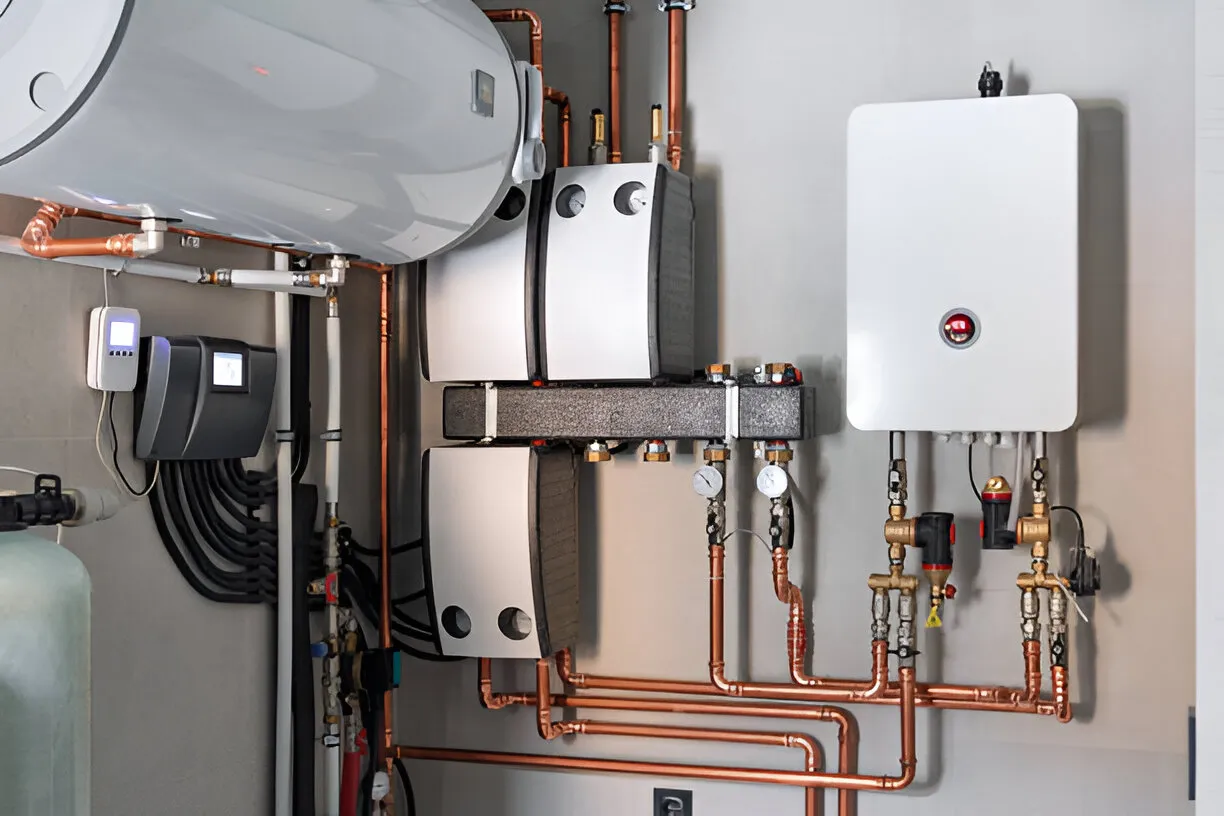
Common heating repair scenarios in Clintonville homes
Homeowners in Clintonville commonly contact technicians for these issues:
- Furnace fails to start, cycles on and off, or trips the breaker
- Weak or uneven heat on one or more floors or rooms
- Loud noises: rattling, banging, or squealing from the furnace or ductwork
- Heat pump not switching modes, icing up, or running inefficiently
- Frequent short cycling that increases energy use
- Pilot light problems, intermittent ignition, or flame sensor errors (gas furnaces)
- Loss of airflow due to clogged filters, dirty blower wheel, or duct leaks
- Strange odors during operation indicating dust burn-off or possible combustion issues
Local factors that increase repair needs: older Clintonville houses with original ductwork, attics and crawlspaces that affect airflow, and leaf-filled yards that can block outdoor heat pump units during fall. Cold snaps that stress equipment also make timely repairs essential.
How technicians diagnose heating problems
A professional diagnosis follows a consistent, safety-first process to identify root causes and avoid unnecessary repairs. Typical steps include:
- Safety and power checks: confirm fuel supply, breakers, and shutoffs are correct.
- Visual inspection: look for corrosion, loose wiring, leaks, blocked vents, or obvious damage.
- System startup and observation: start the system to hear, see, and record abnormal behavior.
- Controls and thermostat verification: verify thermostat calibration, wiring, and control board signals.
- Airflow and duct examination: measure static pressure, inspect filters, and assess duct connections for leaks.
- Combustion and heat-exchange checks (furnaces): inspect burners, ignition system, heat exchanger integrity, and flue ventilation.
- Refrigerant and electrical diagnostics (heat pumps): measure refrigerant pressures, check for leaks, test reversing valves, capacitors, motors, and defrost controls.
- Detailed report and written estimate: explain findings, recommend repairs, and provide clear pricing options.
This methodical approach reduces downtime and ensures repairs focus on the actual failure rather than symptoms.
Typical repair procedures — furnaces
Common furnace repairs and what they involve:
- Ignitor or pilot replacement: swapping a faulty ignitor or repairing pilot components to restore reliable ignition.
- Flame sensor cleaning or replacement: cleaning the sensor or replacing it if corrosion prevents stable burner operation.
- Gas valve or control board repair: diagnosing slow or inconsistent ignition and replacing controls when electrical faults occur.
- Blower motor servicing: cleaning, lubricating, or replacing the blower motor or belts to restore airflow.
- High limit switch or inducer motor fixes: addressing safety shutoffs and combustion venting problems that cause shutdowns.
- Heat exchanger inspection and repair recommendations: identifying cracks or corrosion; recommending replacement when necessary for safety.
- Duct sealing and register adjustments: patching leaks and balancing airflow for even comfort.
Technicians usually test the system after each repair to confirm performance and safety.
Typical repair procedures — heat pumps
Heat pump repairs differ because the system both heats and cools:
- Refrigerant leak repair and recharge: locate and repair leaks, vacuum the lines, and recharge to correct operating pressures.
- Reversing valve and defrost system repair: fix components that allow the system to switch between heating and cooling and clear ice buildup.
- Compressor and contactor service: test and replace failed electrical components that prevent the system from operating.
- Capacitor and fan motor replacement: address starting and running problems that reduce system efficiency.
- Outdoor coil cleaning and minor mechanical repairs: remove debris, straighten fins, and replace damaged components to improve heat transfer.
Because heat pumps are sensitive to refrigerant levels and proper airflow, repairs emphasize restoring factory performance and efficiency.
Estimates, flat rate options, and pricing transparency
Clintonville homeowners typically receive a clear written estimate after diagnosis. Typical pricing approaches include:
- Diagnostic fee plus time and materials: covers the initial inspection and testing; repairs billed separately for parts and labor.
- Flat-rate repair options: upfront fixed prices for common repairs (for example, new ignitor, motor replacement) so you know the cost before work begins.
- Upfront parts and warranty disclosures: technicians list part brands, expected lifespan, and applicable warranties.
Transparent estimates should specify labor hours, part descriptions, and any guarantees on workmanship or parts. For older systems, technicians commonly present a repair-versus-replace assessment that factors remaining life expectancy and energy savings.
Emergency and after-hours repair availability
Winter equipment failures can create unsafe conditions quickly. Many local service providers offer emergency and after-hours heating repair in Clintonville, OH to respond to no-heat situations, gas smells, or suspected carbon monoxide events outside standard business hours. After-hours responses prioritize safety issues and restore temporary heat solutions when full repairs must wait for parts.
Warranty and parts information
Reliable repairs use quality parts and come with clear warranty terms:
- Manufacturer part warranties: replacement parts often carry manufacturer coverage; technicians should disclose length and transferability.
- Labor warranties: many providers back repairs with a limited labor warranty that covers the technician’s workmanship for a specified period.
- OEM versus aftermarket parts: technicians will explain the advantages of OEM parts for compatibility and longevity versus lower-cost aftermarket options.
Ask for written warranty details before work begins so coverage periods and exclusions are clear.
Tips to prevent future breakdowns in Clintonville homes
Regular care reduces emergency repairs and saves energy:
- Schedule seasonal tune-ups before heating season to clean burners, test safety controls, and verify efficiency.
- Replace or clean filters every 1 to 3 months during heavy use to maintain airflow and prevent strain.
- Keep outdoor heat pump units clear of leaves, mulch, and snow; give the unit at least 2 feet of clearance for airflow.
- Seal and insulate ducts, especially in older Clintonville homes with attic or crawlspace runs, to prevent lost heat and uneven temperatures.
- Install and test carbon monoxide detectors near sleeping areas and mechanical rooms.
- Use a programmable or smart thermostat to reduce runtime and wear while maintaining comfort.
Why timely repair matters
Prompt heating repair in Clintonville, OH restores comfort, reduces energy costs, and prevents small issues from becoming major, expensive failures. Proper diagnosis, quality parts, and experienced technicians help extend equipment life, maintain safety, and ensure consistent home comfort through the coldest months. Regular maintenance plus quick attention to warning signs is the most effective strategy to keep your heating system reliable and efficient.
Hot Deals & Cool Savings

.webp)
New Service Agreement Membership
.webp)
Any New Client Service
Next Service for Referring a New Client
New Service Agreement Membership
Any New Client Service
Next Service for Referring a New Client
.webp)
.webp)

Service Areas
