Boiler Maintenance in Reynoldsburg, OH
Professional boiler maintenance in Reynoldsburg, OH keeps your heating efficient and reliable. Schedule your annual tune-up today for safer, lower energy bills.
Boiler Maintenance in Reynoldsburg, OH
Keeping your boiler well maintained is essential for reliable, efficient heating during Reynoldsburg winters and for avoiding costly midseason failures. Boiler Maintenance in Reynoldsburg, OH focuses on annual inspections, safety checks, burner and heat exchanger cleaning, efficiency tuning, and control calibration so your system delivers steady heat, lower energy use, and a longer service life.
Why boiler maintenance matters in Reynoldsburg homes
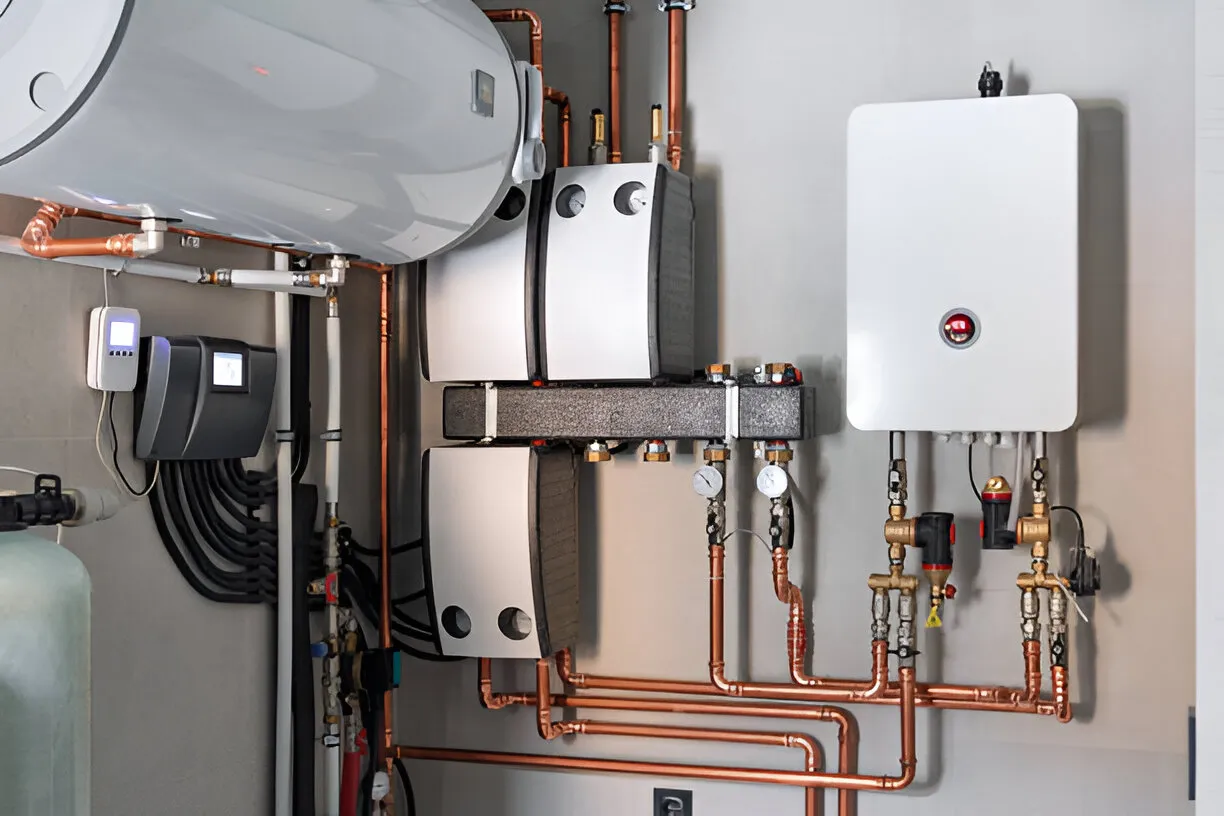
Reynoldsburg experiences cold winters with freeze-thaw cycles that increase heating demand. That higher runtime accelerates wear on components and increases the risk of failures when you need heat most. Mineral buildup from moderately hard Central Ohio water, soot accumulation, and small venting or combustion issues can reduce efficiency and create safety hazards like carbon monoxide risks. Regular, professional maintenance helps prevent emergency breakdowns, preserves warranties, and keeps utility bills lower through more efficient operation.
Common boiler maintenance issues in Reynoldsburg
- Soot or blackened burners and heat exchangers from incomplete combustion
- Yellow or irregular flame color indicating combustion problems
- Pressure fluctuations or frequent pressure relief valve activity
- Leaks from seals, gaskets, or corroded piping and fittings
- Reduced heat output or uneven heating across zones
- Noisy operation (kettling or banging) often caused by scale or trapped air
- Faulty controls, thermostats, or zone valves leading to incorrect cycling
- Blocked flues or venting issues from debris or animal nests
- Condensate drain clogs (condensing boilers) that can cause system shutdowns
What a comprehensive boiler maintenance service covers
A proper annual boiler tune-up addresses safety, efficiency, and reliability. Typical tasks include:
- Visual inspection and safety checks
- Examine combustion chamber, burners, flue, and venting
- Check for signs of corrosion, leaks, soot, and improper combustion
- Verify safety controls, pressure relief valves, and low-water cutoffs
- Cleaning and component care
- Clean burners and heat exchanger surfaces to restore heat transfer
- Remove soot, scale, and debris from accessible areas
- Clear condensate traps and drains on high-efficiency units
- Efficiency tuning and combustion testing
- Adjust burner settings for correct air/fuel ratio
- Conduct combustion analysis (CO and CO2 levels) when possible
- Tune for optimal fuel usage and lower emissions
- Controls and thermostat checks
- Calibrate thermostats and verify correct setpoint response
- Inspect and test zone valves, circulator pumps, and wiring
- Confirm control board diagnostics and fault history
- Hydronic system checks
- Check system pressure, expansion tank condition, and piping
- Inspect for air in the system and perform air purging if needed
- Evaluate water quality and recommend flushing or treatment for scaling
- Documentation and recommendations
- Provide a maintenance report with observed issues and suggested repairs
- Note parts that may require replacement soon to prevent failures
Diagnostic process explained (in plain terms)
A technician begins with a visual safety check, then starts the boiler and watches how it runs. They listen for unusual sounds and check how quickly the system reaches temperature. Combustion is observed to ensure flames are healthy; if not, burner adjustments or cleaning follow. Pressure and temperature readings are taken to assess the hydronic circuit. Controls and thermostats are tested for responsiveness and accuracy. If deposits or scale are suspected, the technician will recommend a system flush or water treatment. Everything is recorded so you have a clear picture of system health.
Repairs and common solutions
- Burner cleaning or replacement when combustion is poor
- Gasket and seal replacement to stop minor leaks
- Flue and vent clearing to restore proper exhaust flow
- Recalibration of controls and replacement of failing thermostats or sensors
- Pump servicing or replacement if circulation is weak
- System flush and chemical treatment to remove scale and restore heat transfer
- Replacement of pressure relief valves, expansion tanks, or safety interlocks as needed
Recommended maintenance schedule for Reynoldsburg boilers
- Annual full tune-up and safety inspection before the heating season
- Biannual visual checks if you use the system year-round or have an older boiler
- System flush every 3–5 years for high-mineral content water or when performance declines
- Immediate inspection if you notice unusual noises, yellow flames, soot, sudden pressure changes, or signs of leaks
Service agreement options for Reynoldsburg homeowners
There are several common service agreement structures to suit different needs:
- Basic annual inspection plan
- One annual safety inspection and checklist
- Priority scheduling for seasonal service windows
- Maintenance log provided
- Comprehensive tune-up plan
- Annual full cleaning, combustion tuning, controls calibration, and hydronic checks
- Replacement discounts on labor and parts
- Seasonal pre-winter visit included
- Priority response and emergency plan
- All elements of comprehensive tune-up plus priority emergency dispatch during heating season
- Reduced emergency call charges and faster response windows
- Custom multi-year plans
- Scheduled visits tailored to older systems, multi-zone setups, or properties with water quality concerns
- Budget predictability with planned maintenance intervals
Each plan typically specifies what components are covered, response times for emergencies, and any parts discounts. Choosing a plan depends on system age, usage patterns, and your tolerance for risk of midwinter failures.
Benefits of regular boiler maintenance
- Increased reliability and fewer midwinter breakdowns
- Improved energy efficiency that lowers heating costs
- Extended equipment life by minimizing wear and corrosion
- Early detection of safety issues like carbon monoxide or venting problems
- Maintained manufacturer warranty eligibility in many cases
- Better indoor comfort through consistent heat distribution
Final maintenance tips for Reynoldsburg homeowners
- Schedule the annual tune-up before heavy heating demand begins in late fall
- Watch for early warning signs: strange noises, soot, reduced heat, or frequent cycling
- Consider water quality testing if you notice rapid scaling or kettling
- Keep boiler room vents unobstructed and clear of stored items
- Keep a maintenance log with dates of service and parts replaced to track long-term performance
Regular, professional Boiler Maintenance in Reynoldsburg, OH protects your comfort and budget, reduces safety risks, and keeps your heating system running efficiently when local temperatures demand reliable performance.
Hot Deals & Cool Savings

.webp)
New Service Agreement Membership
.webp)
Any New Client Service
Next Service for Referring a New Client
New Service Agreement Membership
Any New Client Service
Next Service for Referring a New Client
.webp)
.webp)
Service Areas